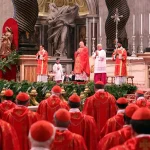
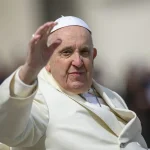
THE College of Cardinals has entered into strict seclusion at the Vatican, beginning the secretive process to elect the successor to Pope Francis, who died last month after a 12-year pontificate that reshaped the Catholic Church in numerous ways.
The 133 cardinal electors under the age of 80, who will cast their votes in the Sistine Chapel starting tomorrow, face a momentous decision that will determine whether Francis’ reform agenda continues or whether the Church takes a different direction.
On Monday evening, Cardinal Kevin Joseph Farrell, Camerlengo of the Holy Roman Church, administered a solemn oath of secrecy to all officials and staff involved in the conclave. The oath binds participants to “maintain absolute secrecy regarding all matters directly or indirectly related to the voting and scrutiny for the election of the Supreme Pontiff,” with a perpetual obligation unless expressly released by the new pope.
Those taking the oath included the Secretary of the College of Cardinals, liturgical personnel, medical staff, security personnel, and service workers-from elevator operators to those responsible for meals and cleaning. The strict secrecy reflects the sacred nature of the process that will unfold behind the locked doors of the Sistine Chapel.
Pope Francis dramatically reshaped the body that will now choose his successor. Europeans now constitute only about 39.3% of the electors, down from over 50% in 2013, while cardinals from Asia-Pacific (17%), Latin America (15.6%), and Africa (13.3%) represent a more globally diverse Church. This geographic shift reflects Catholicism’s changing centre of gravity and introduces new dynamics to the conclave.
“The diverse composition of cardinals, many unfamiliar with each other, adds complexity,” noted one Vatican observer, referencing the traditional saying: “He who enters the Conclave as Pope, leaves it as a cardinal”.
Leading Contenders Emerge
While the outcome remains unpredictable, several papabili (potential popes) have emerged as leading candidates:
Cardinal Pietro Parolin, 70, from Italy, currently serves as Vatican Secretary of State. Seen as moderate and reliable, his election would signal continuity with Francis’ leadership. As a close collaborator of the late pontiff, Parolin has extensive diplomatic experience, including efforts to improve relations with China.
Cardinal Peter Turkson, 76, from Ghana, could potentially become the first Black pope in Church history. A favourite during the 2013 conclave as well, Turkson has been vocal on climate issues and economic justice while maintaining traditional views on matters like same-sex marriage.
Cardinal Matteo Zuppi, 69, from Italy, represents a more progressive option. He has held relatively liberal positions on same-sex relationships and migration issues, and has served as the Vatican’s peace envoy for Ukraine.
Cardinal Pierbattista Pizzaballa, 60, from Italy, serves as Latin Patriarch of Jerusalem. His three decades of experience in the Holy Land have made him an authority on Middle East issues during a time of intense conflict in the region.
Other notable candidates include Cardinal Péter Erdő, 72, from Hungary, known for his traditionalist approach to theology; and Cardinal Robert Sarah, 79, from Guinea, who has defended clerical celibacy and traditional Church teachings.
Key Issues Facing the Next Pope
The cardinal electors will weigh several crucial issues as they deliberate:
The future of synodality, Pope Francis’ project to create a more consultative Church, remains uncertain, with some seeing it as renewal and others as a threat to hierarchical authority. Just weeks before his death, Francis approved plans for an “ecclesial assembly” in 2028 to evaluate the implementation of synodal recommendations.
The cardinals must also consider the Church’s approach to LGBTQ+ issues, particularly after the backlash to Fiducia Supplicans, which allowed blessings for same-sex couples. The role of women in Church leadership, ongoing responses to the clerical abuse crisis, and geopolitical challenges like the Vatican’s controversial accord with China will also influence their decision-making.
Unpredictable Process Begins
The conclave will officially open Wednesday morning with a special Mass “Pro Eligendo Romano Pontefice” in St. Peter’s Basilica, followed by the procession of cardinals to the Sistine Chapel. The first ballot is scheduled for Wednesday evening, with subsequent rounds continuing until a two-thirds majority, at least 89 votes, is achieved.
Vatican analysts suggest the conclave could be “messier than usual” due to Francis’ expansion of geographic and ministerial diversity among the cardinals, coupled with fewer opportunities for them to build connections during his pontificate. As the world’s 1.4 billion Catholics await the outcome, all eyes will be on the chimney of the Sistine Chapel, where white smoke will signal the election of the 267th pope. The final choice will emerge from what one analyst described as “political manoeuvring, individual discernment, and, for believers, divine guidance within the sacred walls of the Sistine Chapel”.