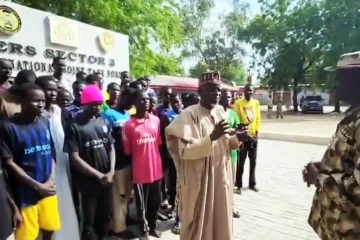
CONTRADICTORY accounts have emerged over the status of 14 West African nationals deported by the United States to Ghana, with Ghanaian officials claiming all have been sent to their home countries while lawyers for the deportees insist they remain in Ghana.
Ghana’s Foreign Minister Samuel Okudzeto Ablakwa told reporters in Accra that the 13 Nigerian nationals and one Gambian citizen had departed for Nigeria and Gambia, respectively. However, attorneys representing four of the men filed court documents stating their clients remained in Ghana and had not been returned home.
The case has raised questions about why the Trump administration chose to send the West Africans to Ghana rather than directly to their countries of origin, as has been standard practice in previous deportations.
Nigeria Questions Departure from Protocol
Nigerian government officials expressed confusion over the arrangement, stating they were not briefed about their nationals being sent to Ghana. Previously, Nigeria received its citizens deported directly from the United States without a third-country transit.
The Gambian government has not responded to requests for comment about the unusual deportation route.
Ghana Defends Humanitarian Decision
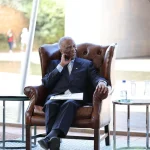
Minister Ablakwa defended Ghana’s acceptance of the deportees on humanitarian grounds, rejecting criticism that the decision endorsed President Trump’s immigration policies. He emphasised that Ghana received no financial compensation from the US for accepting the migrants.
“We should rather be seen as a country that wants to look out for its fellow Africans, that is why we made it clear to the Americans that we will not accept $1,” Ablakwa said during the press briefing.
Legal Challenge Questions Due Process
The deportations face a legal challenge, with attorneys arguing that the process violated due process rights. Samantha Hamilton, representing the deported migrants, said her clients were not informed of their destination prior to removal.
“We believe that the plaintiff’s deportations to Ghana did not comply with principles of due process. These people were not told where they were going to be taken,” Hamilton stated.
The lawyers contend that sending their clients to their home countries could expose some to persecution or torture, leaving their situation “precarious.”
Questions Remain Over Unconventional Route
The case highlights several unanswered questions about the Trump administration’s immigration enforcement:
- Why were the deportees sent to Ghana instead of directly to Nigeria and Gambia, as has been standard practice?
- What diplomatic arrangements, if any, were made between the US and Ghana prior to the deportation?
- How does this third-country deportation model align with international law and bilateral agreements?
The conflicting accounts and legal challenges reflect what immigration attorneys describe as the rapid pace of the Trump administration’s immigration enforcement, which they argue has compromised legal protections and potentially endangered migrants’ safety.
The case continues to develop as lawyers pursue legal remedies, and questions persist about the unusual deportation arrangement.