MARIA João had minutes to decide what to save as muddy floodwaters surged through her home in southern Mozambique earlier this month. She grabbed her youngest child and ran, leaving behind everything else – including the identity documents her family would need to prove who they are.
“We just ran to higher ground,” she told aid workers. “Some children got separated from their parents. The elderly couldn’t keep up.”
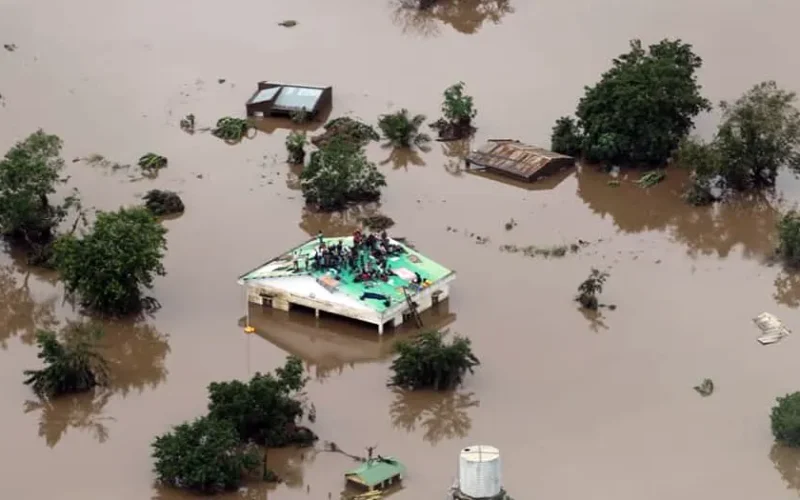
João is among nearly 400,000 people displaced by severe flooding that has swept across Mozambique since the new year began, the UN refugee agency reported. The deluge has transformed schools into emergency shelters, separated families in chaotic nighttime evacuations, and left the most vulnerable trapped in overcrowded centres where protection risks are mounting.
The crisis highlights how climate-driven disasters are compounding conflict in a country already stretched to breaking point. More than 300,000 people fled violence in northern Mozambique during the second half of 2025 alone. Now, as floodwaters ravage the south and central regions, humanitarian supplies are running critically low.
In Gaza, Maputo and central provinces, floodwaters rose with alarming speed. Close to 20,000 people were evacuated by helicopter, boat and vehicle in a government-led operation supported by private companies and aid groups, according to Xavier Creach, UNHCR’s representative in Mozambique.
Despite the rapid response, approximately 100,000 displaced people now crowd into roughly 100 temporary shelters – many of them schools and public buildings never designed for such use. Overcrowding is severe.
Women and girls face heightened dangers in facilities lacking adequate privacy and lighting, aid workers warn. Reports of gender-based violence and sexual exploitation are emerging. Many survivors require immediate mental health support, particularly those who also lived through Mozambique’s catastrophic floods in 2000 and 2013.
The elderly and people with disabilities struggle to navigate sites without proper accommodations. “Many are distressed and in need of immediate psychosocial support,” Creach said at a Geneva press briefing.
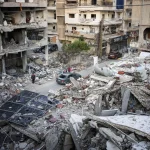
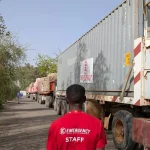
Even as the heaviest rains appear to have eased, many families remain cut off in flood-affected areas. Washed-out bridges and submerged roads are blocking humanitarian access, delaying critical aid deliveries.
The floodwaters have destroyed essential infrastructure, including water systems, health clinics and schools. Some educational facilities that survived now serve as emergency housing, disrupting services for entire communities.
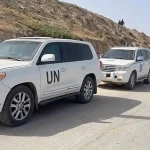
Mobile protection teams deployed by UNHCR and partners are working to identify the most urgent needs among those hardest hit. But the response is severely strained.
“This emergency comes on top of ongoing conflict-related displacement in northern Mozambique, which has already depleted stocks,” Creach explained. Funding shortfalls and access challenges are limiting aid organisations’ ability to reach everyone who needs help.
The disaster underscores Mozambique’s acute vulnerability to intersecting crises. The southern African nation faces both armed conflict in the north and increasingly severe climate shocks across its territory – tropical storms, cyclones, droughts, and now devastating floods.
With more rainfall forecast and flood risks remaining high, authorities fear further displacement is likely in the coming weeks.
UNHCR is appealing for $38.2 million in 2026 to meet escalating needs and sustain life-saving services for refugees, internally displaced people and host communities nationwide.
“Urgent international support is critical,” Creach said, “to scale up assistance, reinforce overstretched host communities, and prevent conditions from deteriorating further for displaced families.”
For Maria João and hundreds of thousands like her, that support cannot come soon enough.