THE search for peace in the Democratic Republic of Congo (DRC) has reached a critical juncture, as high-stakes diplomacy unfolds on the world stage. After decades of violence, the region stands on the cusp of a potentially historic agreement, one that could reshape not only the fate of eastern DRC but also the balance of power and investment in Africa’s mineral heartland.
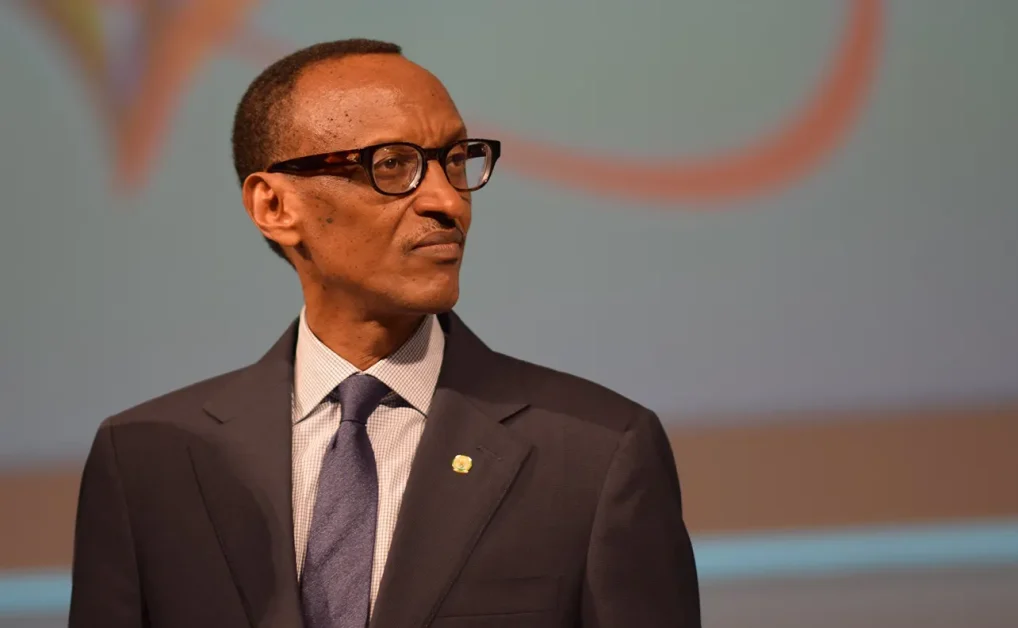
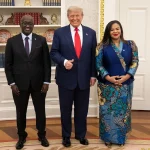
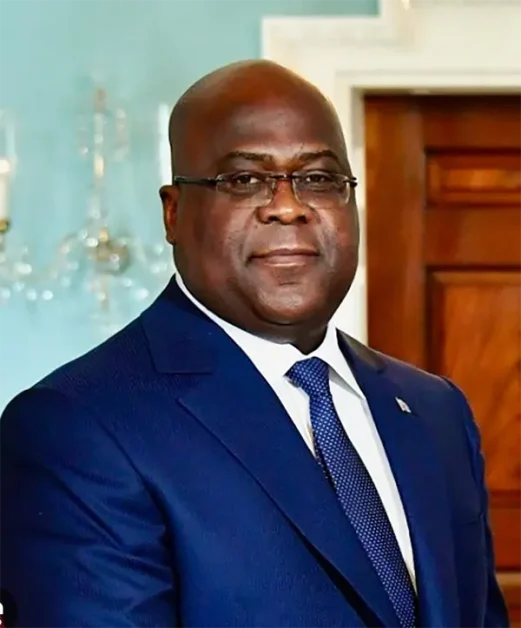
This week, Massad Boulos, President Donald Trump’s senior adviser for Africa, revealed to Reuters that he had spoken directly with Rwandan President Paul Kagame and DRC President Felix Tshisekedi about a draft peace agreement. The United States, acting as chief mediator alongside Qatar and the African Union, is now awaiting final feedback from both leaders, with hopes that the deal could be concluded within weeks.
In an interview with Reuters, Boulos described the conversations as “very positive,” noting both presidents’ eagerness to collaborate on a lasting solution: “They’re both looking forward to working with us and with the Qataris and with the African Union towards achieving a final solution that will give lasting peace.”
The Trump administration’s peace push is not just about ending bloodshed. It is also about securing U.S. access to Congo’s vast reserves of tantalum, gold, cobalt, copper, and lithium minerals critical to the global tech and energy industries. Billions of dollars in Western investment hang in the balance, with the U.S. promising infrastructure and mining partnerships if peace can be achieved.
Earlier this month, Congo and Rwanda submitted a draft peace proposal as part of a process to end the fighting and attract investment. The draft, hammered out in Washington and Doha, commits both sides to respect each other’s sovereignty and to halt support for armed groups, though the notorious M23 rebels, whose Rwandan backing is widely alleged by the UN and Western governments, are not directly party to the U.S.-led talks.
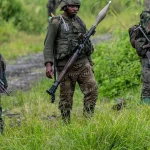
Separate, Qatar-mediated negotiations between Kinshasa and the M23 continue, but frustration is mounting over their slow pace. On the ground, the situation remains dire: M23 advances have resulted in thousands of deaths and the displacement of hundreds of thousands, with major cities like Goma and Bukavu falling to the rebels earlier this year.
No timeline has been set for the foreign ministers’ next visit to Washington, but Secretary of State Marco Rubio is prepared to host them as soon as the final draft is agreed. Before any accord is signed, Rwanda and Congo must also finalise bilateral economic deals with the U.S., paving the way for Western companies to invest in Congolese mining and infrastructure.
Yet, deep suspicions linger. The DRC is wary of any deal that could be seen as ceding control over its mineral wealth, and Rwanda is unlikely to relinquish its interests without guarantees. The credibility of U.S. backing will depend not only on diplomatic signatures but on the willingness of American corporations to invest in a region still beset by insecurity and governance challenges.
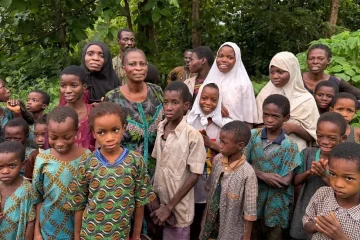
As the world waits for the final word from Kigali and Kinshasa, the people of eastern Congo remain caught between hope and uncertainty. The latest peace efforts, buoyed by unprecedented international engagement and economic incentives, offer a rare chance to end one of Africa’s longest-running conflicts. But the road to lasting peace is fraught with peril, and the outcome-like the minerals buried beneath Congo’s red earth-remains uncertain.