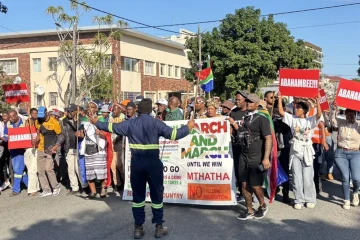
GHANA has joined other African countries in prohibiting youth-led demonstrations against the rising cost of living, as a high court in the capital Accra blocked planned protests by civil society groups. This development aligns Ghana with a growing trend across the region and East Africa attempting to quell public dissent over economic hardships.
Reuters reports that the planned protests were expected to draw over two million people to the streets. Demonstrators intended to demand stronger action from President Nana Akufo-Addo on corruption and living conditions, as well as express frustration over delays in signing an anti-LGBT bill into law.
According to Reuters, Judge Abena Afia Serwaa of the high court approved a police request to ban several organizations from conducting protests scheduled between July 31 and August 6. The police cited a lack of personnel to provide adequate security, as officers have been deployed to political rallies amid ongoing election campaigning.
This ban comes amid a wave of youth demonstrations sweeping across several African countries in recent weeks. In Kenya, government-funded reports indicate that over 50 people have been killed and nearly 700 arrested in a police crackdown on demonstrations since mid-June. These protests were sparked by tax increases proposed by President William Ruto, who has since fired his cabinet and scrapped the controversial tax bill.
Uganda has also seen young people take to the streets to protest alleged corruption and demand the resignation of the parliament speaker. Police there shut down a march and arrested more than 70 people, according to a legal aid organization.
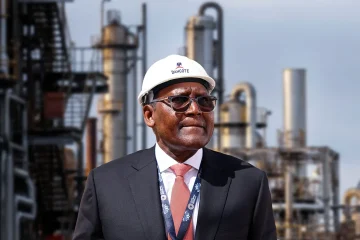
In Nigeria, the government has offered youth employment opportunities in the state oil company and billions of naira in grants, among other incentives, in an apparent attempt to discourage planned nationwide demonstrations over poor governance and high living costs.
According to Reuters, Mensah Thompson, a protest organizer in Ghana, argued that elections should not impede citizens’ right to demonstrate. He warned, “Young people are poised to demonstrate with or without the approval of the authorities. A time comes when they will spontaneously jump on the streets and we will have a ‘Kenya’ on our hands.”
Ghana’s economy has struggled in recent years, with the effects of over-stretched borrowing exacerbated by the COVID-19 pandemic, the war in Ukraine, and rising global interest rates. The country is currently restructuring most of its $30 billion external debt to implement a $3 billion, three-year International Monetary Fund bailout program.
As Ghanaians prepare to elect legislators and a replacement for President Akufo-Addo in December, the economic situation and restrictions on protests are likely to be significant factors in what is expected to be a closely contested election.