IN a dramatic regulatory standoff that has sent shockwaves across West Africa’s media landscape, continental broadcasting powerhouse MultiChoice is standing firm against Ghana’s government demands for steep price cuts, setting the stage for a showdown that could see DStv services shut down across the nation.
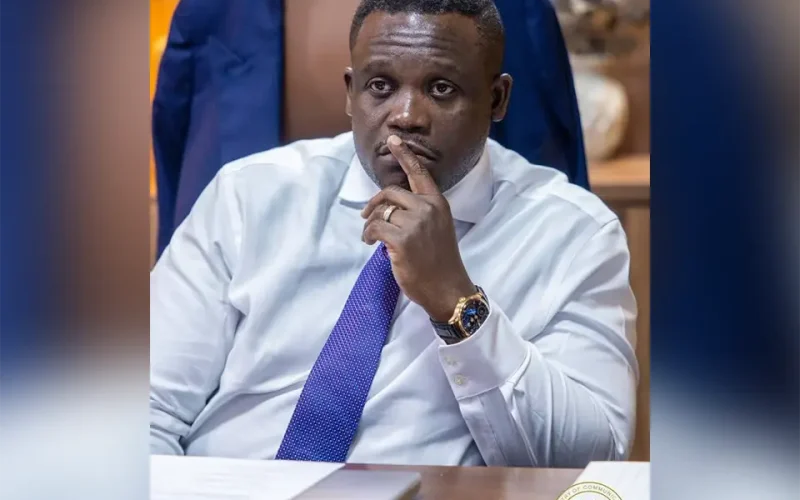
The confrontation reached a boiling point today when Communications Minister Sam ‘Dzata’ George delivered a blistering ultimatum after MultiChoice flatly rejected government demands to slash DStv subscription prices by 30%.
The Defiant Stand
“Let me be clear, I have no intention to continue tolerating the disrespect to Ghanaians by DStv,” George thundered in a social media statement that effectively declared regulatory war on one of Africa’s most influential media corporations. “If MultiChoice is not interested, as they claim in their last statement, in discussing a reduction in prices as they had indicated to me, we would proceed to effect the shutdown tomorrow.”
The minister’s frustration was palpable as he revealed that MultiChoice had initially “indicated their willingness to engage the Ministry on its concerns on pricing and prayed us to stay our enforcement action” – only to reverse course and refuse any price reductions.
A Corporate Giant Stands Ground
In a stunning corporate defiance that has escalated this battle to new heights, MultiChoice Group categorically denied agreeing to any price reductions, directly contradicting earlier government claims of progress in negotiations. MultiChoice Ghana has clarified that it has not agreed to any reduction in DStv subscription prices, contrary to announcements made by government officials.
This marks a rare instance of a major multinational corporation openly challenging African government regulatory demands, with MultiChoice choosing confrontation over capitulation despite facing the prospect of losing an entire national market.
The Stakes: Billions at Risk
MultiChoice’s defiant stance puts enormous economic value at risk. The South African broadcasting giant, which commands over 22 million subscribers across Africa, has built substantial infrastructure in Ghana. Since 2015, the company has invested over US$18 million in its DTT network of 13 sites in nine cities across Ghana, and spent millions more on building local production capacity and transmission infrastructure.
The company directly employs over 114 people and 148 contract staff across five offices in Accra, Kumasi, Tamale, Tema and Takoradi, with hundreds more working as dealers, installers, agents and retailers in all sixteen regions of Ghana.
Government’s Nuclear Option
Faced with MultiChoice’s defiance, Minister George has activated Ghana’s regulatory nuclear option. The government threatened to suspend MultiChoice Ghana’s license unless it reduced subscription prices by 30%, with a daily fine of GHC 10,000 for non-compliance.
“No company is above the law,” George declared with regulatory authority. “When MultiChoice is ready to discuss price reduction, they can come to the negotiation table. Until then, there is nothing for us to meet over. The NCA would carry out enforcement.”
A Company Already Under Pressure
MultiChoice’s refusal to bend comes as the company faces mounting challenges across Africa. The broadcaster lost 243,000 subscribers across its DStv and GOtv platforms between April and September 2024, primarily due to Nigeria’s severe economic conditions. The company reported a 9% decline in total active subscribers for the fiscal year ending March 2024, with a 13% drop in subscribers in Nigeria, Angola, and Zambia.
Yet despite these pressures, MultiChoice has chosen to dig in its heels rather than set a precedent that could invite similar demands from other African governments.
Continental Implications
This regulatory warfare is being watched nervously across Africa, where MultiChoice dominates pay-TV markets. The company’s decision to resist Ghana’s demands could either strengthen its position by showing it won’t be bullied by governments or trigger a domino effect of regulatory crackdowns across the continent.
Other African governments are closely monitoring whether Ghana can successfully force a major international broadcaster to comply with pricing demands, potentially emboldening similar regulatory actions elsewhere.
The Human Cost of Corporate Defiance
While MultiChoice stands its ground, ordinary Ghanaians face losing access to premium entertainment content that has become integral to daily life. The company hosts 15 free-to-air channels on DStv and GOtv, often providing access in areas where it would otherwise be impossible.
MultiChoice Ghana’s wholly-Ghanaian channel, Akwaaba Magic, launched in 2021, has rekindled the creative industry. Since 2016, the company has invested over US$1 million in local entertainment, drama, music and film industry, supporting productions and boosting careers of local actors, musicians and producers.
The Countdown Begins
As tensions escalate, Minister George has made the consequences of MultiChoice’s defiance crystal clear: comply with price reduction demands or face immediate shutdown. The company’s refusal to negotiate has transformed what could have been a diplomatic resolution into a high-stakes regulatory showdown.
MultiChoice Managing Director Alex Okyere has emphasised the company’s commitment to Ghana, stating they remain “excited about the transformation we have brought to the video entertainment landscape in the country” and will “continue to develop amazing local talent and deliver high-quality entertainment.”
But corporate commitment statements may not be enough to prevent regulatory action against a company that has chosen confrontation over compromise.
The Endgame
This standoff represents more than a pricing dispute – it’s a fundamental test of regulatory sovereignty versus corporate autonomy in Africa’s evolving media landscape. MultiChoice’s refusal to yield to government demands has escalated a commercial disagreement into a battle that could reshape relationships between African governments and foreign media corporations.
The question now is whether Ghana will follow through on its shutdown threats against a defiant MultiChoice, or whether the broadcaster’s hardline stance will force the government to find face-saving alternatives to regulatory enforcement.
In April this year, when the cedi was trading at Gh¢10, Multichoice increased by 15%. If they cedi is trading at GH¢12, they’ll reduce by 30%.
— SIKAOFFICIAL?? (@SIKAOFFICIAL1) September 5, 2025
— Communications Minister, Hon. Sam Nartey George. pic.twitter.com/qazQ2KOlbd