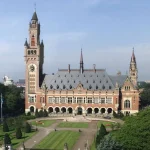
THE International Court of Justice (ICJ) has dismissed Sudan’s genocide case against the United Arab Emirates, ruling it lacked jurisdiction to adjudicate allegations that the UAE fueled atrocities in Darfur by arming paramilitary groups. The decision marks a major legal victory for the UAE, which had rejected the claims as baseless.
The ICJ found the UAE’s 2005 reservation to Article IX of the Genocide Convention-which allows states to opt out of the court’s jurisdiction over genocide disputes-blocked Sudan’s case. Judges voted 14-2 to remove the case from the docket, with President Yuji Iwasawa stating the court “manifestly lacks jurisdiction”. Sudan had argued the UAE violated the convention by supplying weapons and funding to the Rapid Support Forces (RSF), a paramilitary group accused of ethnically targeting the Masalit community in Darfur.
Reem Ketait, a senior UAE foreign ministry official, called the ruling a “definitive and unequivocal endorsement” that the case was unfounded. She emphasised the UAE “bears no responsibility for the conflict in Sudan” and accused Sudanese authorities of seeking to “divert attention from their own accountability”. The UAE has consistently denied supporting the RSF, despite claims from UN experts and US lawmakers.
Sudan’s March 2025 filing alleged UAE-backed RSF forces committed genocide through mass killings, sexual violence, and forced displacement of the Masalit. It sought emergency measures to halt these acts, including an arms embargo. The ICJ rejected these provisional requests alongside dismissing the case.
The ruling comes amid Sudan’s devastating civil war, which began in April 2023 when tensions between the military and RSF erupted into open conflict. Over 10 million people have been displaced, and both sides face widespread allegations of war crimes. While the ICJ case focused on the UAE’s role, the court’s decision leaves unresolved questions about external actors’ accountability in the crisis.
The dismissal underscores legal limitations in holding states accountable for alleged complicity in foreign conflicts under the Genocide Convention, particularly when jurisdictional reservations exist. Humanitarian groups warn that the decision risks emboldening external supporters of warring parties.