A growing coalition of Western nations is increasingly isolating Rwanda through diplomatic and economic sanctions, escalating pressure over its alleged support for M23 rebels in the Democratic Republic of Congo (DRC). Following recent actions by the United States, United Kingdom, and now Germany, Rwanda faces mounting international condemnation and potential economic consequences.
Germany announced on Tuesday that it has halted new development aid to Rwanda and is comprehensively reviewing existing commitments in response to Rwanda’s role in the eastern Congo conflict. The German development ministry confirmed it had directly informed Rwanda to withdraw support for the M23 rebel group, which has made significant territorial advances in eastern Congo since January.
The German ministry revealed it had last pledged 93.6 million euros ($98 million) to Rwanda in October 2022 for the 2022-2024 period, now effectively suspended. Rwanda’s foreign ministry swiftly rejected the move, calling it “wrong and counterproductive” and criticizing Germany for applying “one-sided, coercive measures.”
Britain has already implemented a comprehensive sanctions package, including pausing bilateral aid, ending high-level government interactions, limiting trade promotions, and suspending defence training assistance. The United States previously sanctioned James Kabarebe, a close ally of Rwandan President Paul Kagame, further isolating Rwanda diplomatically.
The European Union has also signalled growing concern, announcing a review of its critical raw materials agreement with Rwanda and leaving the door open for potential future sanctions. These coordinated international actions represent an unprecedented diplomatic pressure campaign against Rwanda.
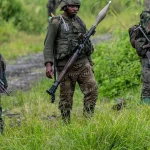
Rwanda continues to deny supporting M23, maintaining that its actions are defensive, aimed at protecting ethnic Tutsis from potential attacks by ethnic Hutu-led militias in Congo. However, Congo, United Nations experts, and Western powers consistently argue that Rwanda is directly supporting the rebel group.
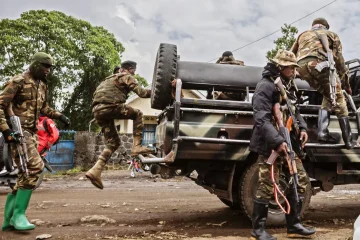
The conflict’s roots trace back to the spillover effects of Rwanda’s 1994 genocide and the ongoing struggle for control of Congo’s vast mineral resources. The M23 rebels have captured significant territories in eastern Congo, including strategic cities like Goma and Bukavu, and valuable mineral deposits.
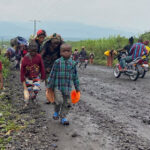
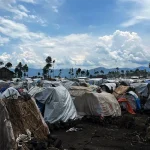
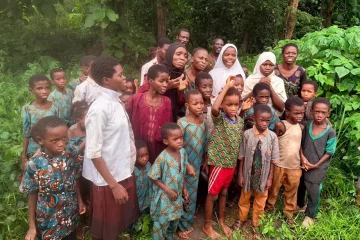
Humanitarian consequences remain severe, with reports indicating over 3,000 people killed and hundreds of thousands displaced since the beginning of 2025. The international community’s increasing sanctions aim to compel Rwanda to withdraw support for M23 and engage in meaningful diplomatic negotiations.
Congolese religious leaders continue to push for peace talks between the Congolese government and M23 rebels, hoping to find a peaceful resolution. However, with each passing week, the conflict becomes more entrenched, and the path to peace appears increasingly challenging.
As diplomatic isolation intensifies, Rwanda faces growing economic and political pressure. The coordinated actions by Germany, Britain, the United States, and the potential involvement of other European nations suggest a unified international approach to resolving the ongoing conflict in eastern Congo.