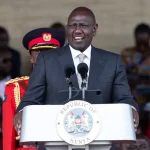
IN a high-stakes move, Kenyan President William Ruto has announced a new cabinet, reappointing several ministers he had dismissed just a week earlier. This reshuffle was aimed at addressing the widespread youth-led protests against new taxes and rising living costs but risks further backlash from the public.
In a televised address, Ruto named 11 new appointees, with six reappointments from his previous cabinet. It is the reappointment of the six, political analysts warned, that carried serious risk for Ruto. The risks would, if left unattended, threaten his presidency. Ruto is expected to announce additional appointments would follow soon.
His decision comes after he withdrew $2.7 billion in proposed tax increases in an attempt to quell the protests, which have posed the most significant challenge of his two-year presidency.
Among the reappointments were the ministers of interior, defence, environment, and lands, with two others retaining their positions but in different portfolios. Julius Migos Ogamba, nominated for education minister, has ties to the outgoing education minister, having been his running mate in the 2022 gubernatorial race.
Ruto promised to outline a “clear roadmap” for the new cabinet next week, including “timelines and deliverables.” However, protest leaders quickly dismissed the new appointments, maintaining their stance against the entire political establishment, which they view as corrupt. They have also rejected the idea of a unity government, arguing it would perpetuate Kenya’s tradition of political deal-making at the public’s expense.
The ongoing unrest has placed Ruto in a challenging position, balancing demands from international lenders to address high debts with the public’s struggle against rising living costs. In response, the government has proposed austerity measures to offset the deficit caused by the withdrawal of the proposed tax hikes.
This reshuffle marks Ruto’s second major step following the withdrawal of the finance bill from parliament, a move initially aimed at appeasing demonstrators. Despite these efforts, large-scale protests have persisted, with many calling for Ruto’s resignation. Over 50 people have died since the protests began in mid-June, highlighting the severe tensions in the country.