IN a dramatic bid to save his nation from the brink of all-out war, Democratic Republic of Congo (DRC)’s President Felix Tshisekedi is making bold moves to unite his country’s fractious political landscape. As Rwandan-backed M23 rebels tighten their grip on mineral-rich eastern provinces, the president’s first gesture toward reconciliation came with the release of Jean-Marc Kabund, his former right-hand man turned political rival.
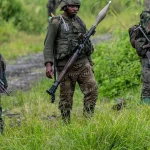
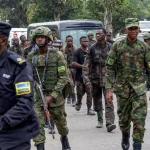
The spectre of conflict looms larger by the day. M23 rebels have captured strategic territories in North and South Kivu, seizing valuable mineral deposits and forcing Tshisekedi’s administration into a corner. The mounting losses have sparked fierce criticism of the government’s military strategy and raised fears of a regional conflagration that could destabilize Central Africa.
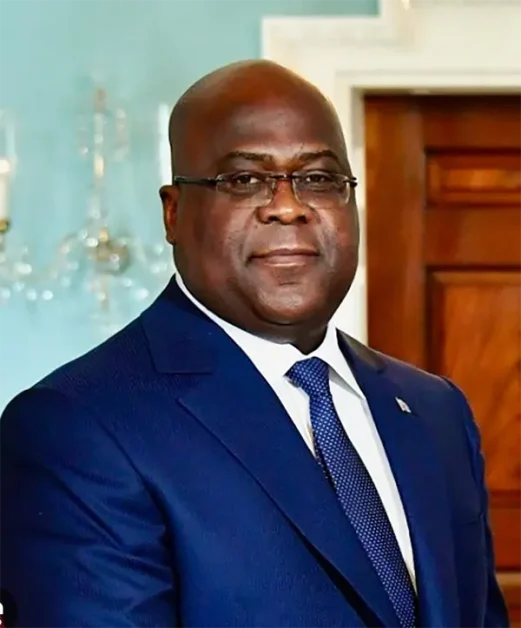
“We must unite… let’s stand together to face the enemy,” Tshisekedi declared to his ruling Sacred Union coalition, his words echoing through a nation increasingly anxious about its future. Through his spokesperson Tina Salama, the president announced plans for a government of national unity – a move that signals both the gravity of the crisis and his determination to forge a unified response.
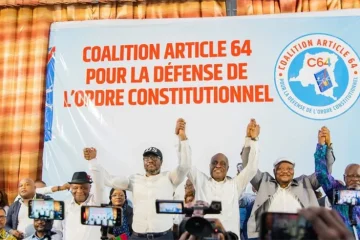
But not everyone is convinced. Opposition figure Herve Diakiese dismissed the unity government initiative, arguing that “Tshisekedi is more concerned with saving his power, whereas we are more concerned with saving the DRC.” The criticism underscores the deep political divisions that Tshisekedi must bridge even as external threats mount.
The release of Kabund, once a powerful ally who fell from grace in 2022, marks a significant shift in political strategy. Kabund’s journey from parliament vice president to prisoner – sentenced to seven years for contempt of the head of state – and now freed man through presidential pardon, illustrates the volatile nature of Congolese politics. Human Rights Watch had previously cited his detention as evidence of growing intolerance for dissent.
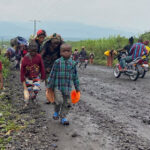
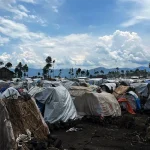
As Tshisekedi works to rebuild political bridges at home, the clock is ticking. Each territorial loss to M23 rebels not only threatens DRC’s sovereignty but also risks unleashing a humanitarian crisis in a region already scarred by decades of conflict. The president’s ability to unite the country’s political forces may well determine whether the DRC can withstand this latest challenge to its stability.
The coming weeks will test whether Tshisekedi’s gambit – combining political reconciliation with military resistance – can stem the tide of violence threatening to engulf his nation. For now, all eyes are on Kinshasa, watching to see if this moment of crisis will forge new unity or deepen existing divisions in Africa’s second-largest country.