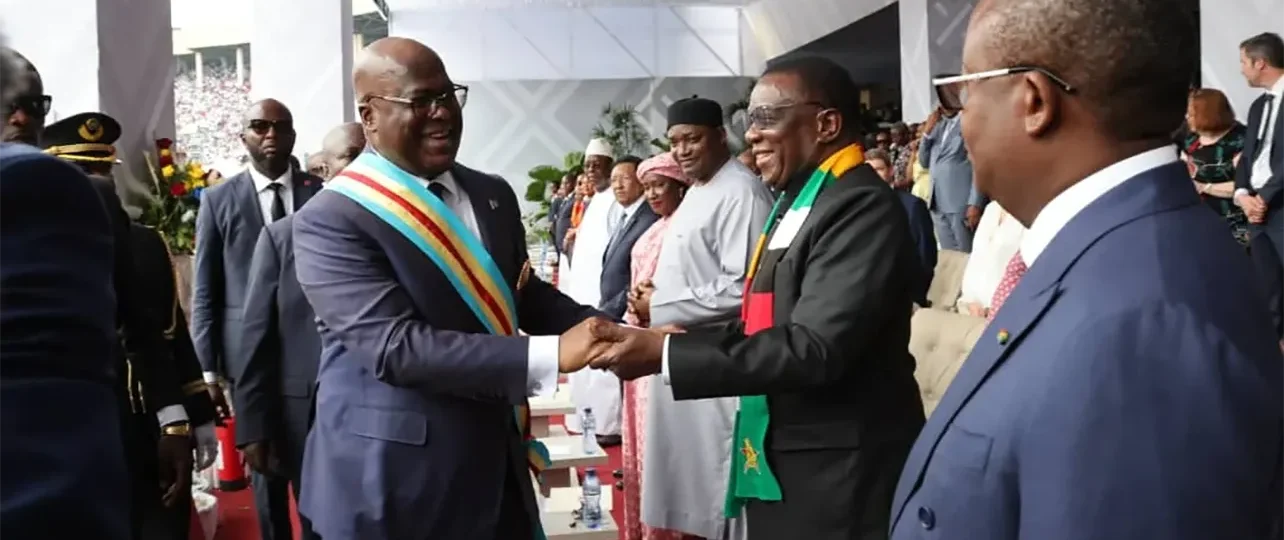

TWO African heads of state are simultaneously engineering constitutional changes designed to extend their hold on power, in moves that threaten to deepen political crises in both Zimbabwe and the Democratic Republic of Congo and deal a fresh blow to the continent’s democratic credibility.
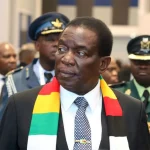
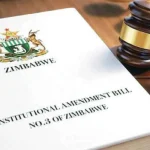
In Zimbabwe, President Emmerson Mnangagwa’s government gazetted the Constitution of Zimbabwe Amendment Bill No. 3 on 16 February 2026 – a sweeping proposal that would extend presidential terms from five years to seven, effectively keeping the 83-year-old leader in office until 2030 in defiance of a constitutionally mandated departure set for 2028. The bill also proposes replacing direct presidential elections with selection by parliament and expanding the Senate by ten presidential appointees.
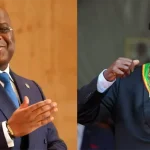
In the DRC, President Félix Tshisekedi’s party has now announced its support for amending the constitution to allow him to contest a third term — a declaration that arrived without warning and threatens to galvanise opposition in a country already torn by armed conflict in its eastern provinces.
Critics in both countries have used the same language: constitutional coup. In Zimbabwe, David Coltart – a lawyer who helped draft the 2013 Constitution – warned that any amendment extending an incumbent’s tenure must be put to a referendum. “They know that if that happens, they will fail,” he said, “so they will do all in their power to prevent a referendum from happening.”
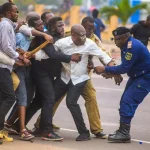
The Zimbabwean bill, known as CAB3, has already generated violence. A hall in Harare was torched hours before opponents were due to meet to coordinate resistance. In Bulawayo, riot police broke up a similar gathering. Elderly activists have been arrested and charged with inciting public violence. ZANU-PF, which holds a supermajority in Parliament, is expected to pass the bill when formal legislative proceedings begin on or after 16 May.
But the move has fractured the ruling party itself. First Vice-President Constantino Chiwenga – the former army general who enabled Mnangagwa’s 2017 coup against Robert Mugabe – is reported to be bitterly opposed, having expected to succeed Mnangagwa when his constitutionally limited second term expired in 2028. War veterans, churches, trade unions, and civil society groups have united under the Defend the Constitution Platform, vowing to fight the amendment in the courts and in the streets.
The DRC announcement carries its own dangers. Tshisekedi’s two terms have been marked by persistent insecurity in the east, where the M23 rebel movement has seized major territory, and by accusations of arbitrary arrests of opposition figures and broken campaign promises. His December 2023 re-election was contested by opposition parties and scrutinised by international observers. A third-term bid risks uniting his many adversaries – domestic opposition, disaffected civil society, and regional powers watching Kinshasa’s moves – at a moment when the country can least afford fresh political instability.
Both leaders operate in countries with constitutional term limits specifically designed, after years of conflict and authoritarian rule, to prevent perpetual presidencies. Both appear to be betting that their control of parliamentary majorities is sufficient to override those protections without submitting to the popular referendum that would test whether their citizens agree.
Constitutional lawyer Tinashé Hofisi described the Zimbabwean bill’s effect as “executive consolidation through constitutional disruption” and warned that it accelerated the country’s “ongoing trajectory of democratic regression.” The African Union’s own Charter on Democracy, Elections and Governance explicitly condemns the manipulation of constitutions for personal political gain. Whether the continental body will act on that commitment — with the force and clarity this moment demands — remains an open question.