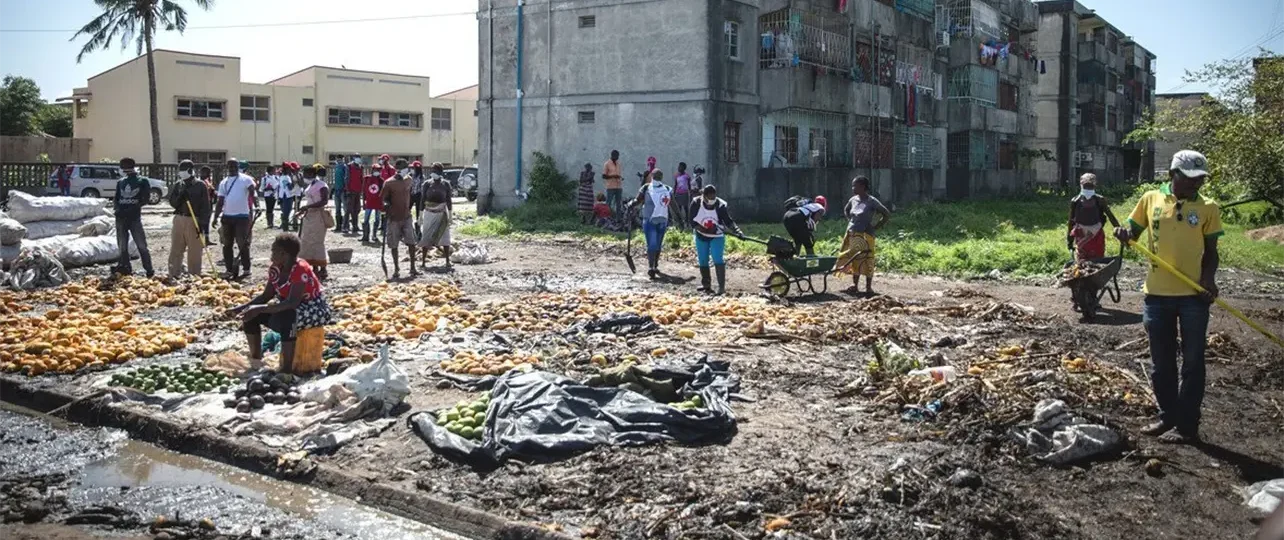

MORE than 25,000 people have been newly displaced in Mozambique in just a matter of weeks, joining nearly 1.3 million already uprooted by a relentless cycle of armed conflict, cyclones, and drought. The United Nations Refugee Agency (UNHCR) is sounding the alarm as critical funding shortfalls threaten to halt life-saving support for some of the world’s most vulnerable people.
“Thousands have lost their homes, many for the second or third time, and are seeking safety in already overstretched communities,” said Xavier Creach, UNHCR’s Representative in Mozambique, during a press briefing in Geneva on Friday.
A Triple Crisis: Conflict, Climate, and Instability
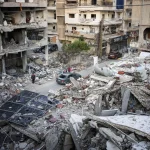
Cabo Delgado Province, rich in gas reserves and minerals, remains the epicentre of Mozambique’s ongoing conflict. Attacks by non-state armed groups continue to force civilians to flee, destroying infrastructure and undermining recovery efforts. The violence has now spilt into previously stable provinces such as Niassa, where more than 2,000 people have fled since March 19, and into Ancuabe and Montepuez, with 14,929 and 5,370 newly displaced people, respectively, as of April.
But violence is only one part of what Creach calls a “triple crisis.” Mozambique is also reeling from extreme weather, including Cyclone Jude, which struck Nampula Province in March—the third major cyclone in just three months. These storms have devastated communities already hosting large numbers of displaced families, compounding the humanitarian emergency.
Months of post-electoral unrest have further destabilised the country. In late 2024, civil unrest forced some Mozambicans to seek refuge in neighbouring Malawi. Most have since returned, but the episode underscores the fragility of the situation.
Humanitarian Response Stretched to Breaking Point
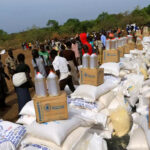
The scale of need is staggering: 5.2 million people across Mozambique now require humanitarian assistance. Yet, as needs escalate, humanitarian organisations face shrinking budgets. UNHCR has received only 32 percent of its $42.7 million funding appeal for 2025. This funding squeeze means that essential services—including support for survivors of gender-based violence, mental health care, and civil documentation—are at risk of being suspended.
“In this challenging environment, UNHCR’s ability to respond is severely constrained by a critical lack of funding. Protection needs, including support for survivors of gender-based violence, mental health services, and access to civil documentation, far exceed available resources,” Creach warned.
The impact is particularly acute for women and girls, who face heightened risks of sexual violence and exploitation. Of the 300,000 internally displaced women and girls in need of support in northern Mozambique, UNHCR can reach only 40,000 this year. Among refugees, just 3,000 will be supported out of a target of 10,000, leaving most survivors without access to life-saving help1.
Refugees and Host Communities Under Strain
Mozambique hosts approximately 25,000 refugees and asylum-seekers, primarily from the Democratic Republic of the Congo. In the Maratane Refugee Settlement, UNHCR may be forced to suspend support for vital services such as health care and education due to the funding shortfall. Despite being one of the world’s poorest countries, Mozambique and its communities have shown remarkable solidarity in supporting both refugees and internally displaced people.
“But it is neither fair nor realistic to expect Mozambique to bear this burden alone,” Creach emphasised.
A Looming Economic Crisis
The humanitarian crisis is fueling a silent economic emergency. Food prices, already high, have surged by 10 to 20 percent in recent months, while incomes continue to fall. Mozambique’s high public debt further limits the government’s ability to respond.
“A perfect storm is gathering. If we turn away now, the country will face a much larger humanitarian emergency. The crisis is unfolding now. We have a choice. We can act to prevent, support and protect – or we can sit on our hands,” Creach concluded.
The Road Ahead
As Mozambique faces a convergence of conflict, climate shocks, and economic hardship, UNHCR and its partners are urging the international community not to look away. Without urgent support, millions risk being left without the protection and assistance they desperately need. The choice, as Creach put it, is stark: act now to prevent a deeper catastrophe, or allow the crisis to spiral further out of control.