THE bids by South Africa and Rwanda to host a Formula One Grand Prix represent a significant moment for African motorsport, reflecting both the continent’s aspirational sporting landscape and the complex geopolitical dynamics of international racing.
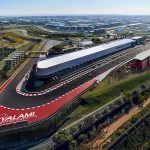
From a strategic perspective, these bids are more than just sporting endeavours—they are statements of national and continental ambition. South Africa brings historical credibility to the table, having previously hosted Formula One (with its last race in 1993 at Kyalami), while Rwanda represents a newer, more diplomatic approach to international sporting prestige.
South Africa’s advantages are substantial:
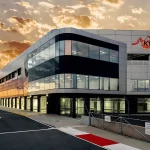
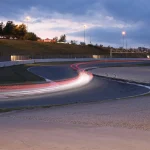
– Established motorsport infrastructure with the Kyalami Grand Prix Circuit
– A larger and more developed motorsport ecosystem
– Significant private sector interest (estimated R2 billion in potential investment)
– Historical connection to Formula One
– More developed sporting and transportation infrastructure
Rwanda’s strengths lie in:
– High-level political backing (directly led by President Paul Kagame)
– A strategic approach to international positioning
– Emerging reputation for hosting international events
– Potential to showcase African innovation and development
The most compelling argument, however, is not competition but collaboration. As Gayton McKenzie astutely noted, Europe hosts multiple races without controversy. The true victory would be establishing Formula One as a truly global sport with meaningful African representation.
The financial and logistical challenges are significant. Hosting a Formula One race requires approximately R2 billion annually, substantial technical upgrades, and meeting stringent international regulations. Both countries will need robust public-private partnerships to make their bids viable.
Moreover, the broader impact extends beyond sport. Such events can:
– Boost international tourism
– Create significant economic opportunities
– Enhance national and continental branding
– Inspire a new generation of African motorsport enthusiasts
The ideal outcome would be not just one, but multiple African Grand Prix—transforming the continent from a spectator to a key player in global motorsport. This requires vision, investment, and most importantly, collaborative spirit.
The bids by South Africa and Rwanda are thus more than sporting competitions—they are diplomatic opportunities, economic strategies, and statements of continental ambition.