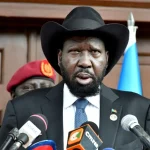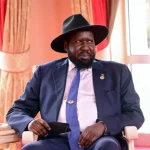

SOUTH Sudan’s President Salva Kiir is fighting on two fronts simultaneously – and neither war is straightforward. On the battlefield, the fragile peace architecture brokered since the 2018 Revitalised Agreement on the Resolution of the Conflict in South Sudan (R-ARCSS) continues to buckle under fresh outbreaks of militia violence and persistent intercommunal conflict. In the corridors of government, Kiir is deploying a different arsenal: dismissal decrees, corruption charges, and a revolving door of senior appointments that have left the country’s institutional skeleton barely standing.
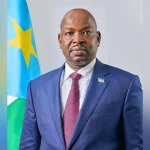
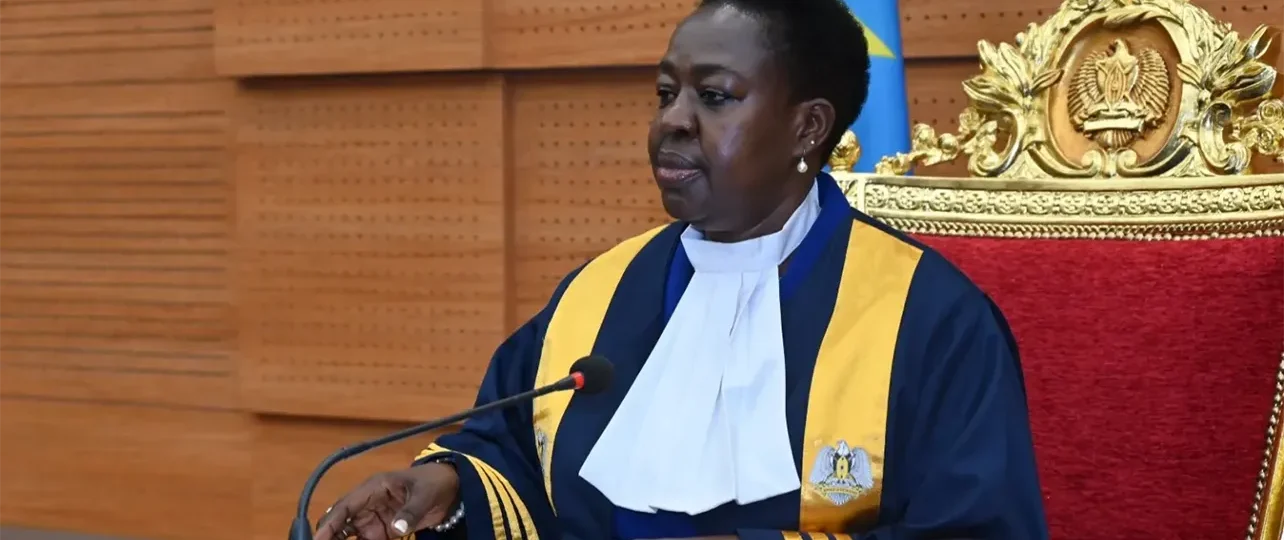
The latest casualty is Speaker Jemma Nunu Kumba, removed from the Transitional National Legislative Assembly on Tuesday by presidential decree – a move announced by Tulio Odongi Ayahu, chief whip of Kiir’s ruling Sudan People’s Liberation Movement (SPLM). Kumba, who made history in 2021 as the first woman to serve as speaker of the South Sudanese parliament, was unseated alongside her deputy, Permena Awerial Aluong, following a petition from SPLM caucus members accusing her of corruption linked to the alleged mismanagement of parliamentary funds.
“Kiir has turned the anti-corruption flag into an instrument of political navigation – it points wherever he needs it to point.”
Kiir appointed Joseph Ngere Paciko and Abuk Paiti Ayiik as the new speaker and deputy speaker, respectively. Kumba has not responded publicly to the allegations.
THE ANATOMY OF A PURGE
The speaker’s removal does not stand alone. In late February, Kiir abruptly fired Finance Minister Bak Barnaba Chol — a technocrat who had been in the post for barely three months – without explanation. Before that, a string of military and civilian appointments were reversed within weeks of being made. The pattern is not new, but analysts say its frequency and opacity have intensified as South Sudan’s political temperature rises ahead of elections that remain perpetually deferred.
Political analysts tracking Juba’s dynamics say Kiir routinely reshuffles senior political and military posts to maintain his grip on power amid persistent instability and speculation about his eventual succession. The anti-corruption frame, when it is invoked, provides legal and rhetorical cover for what are, at their core, loyalty tests and preemptive strikes against potential rivals.
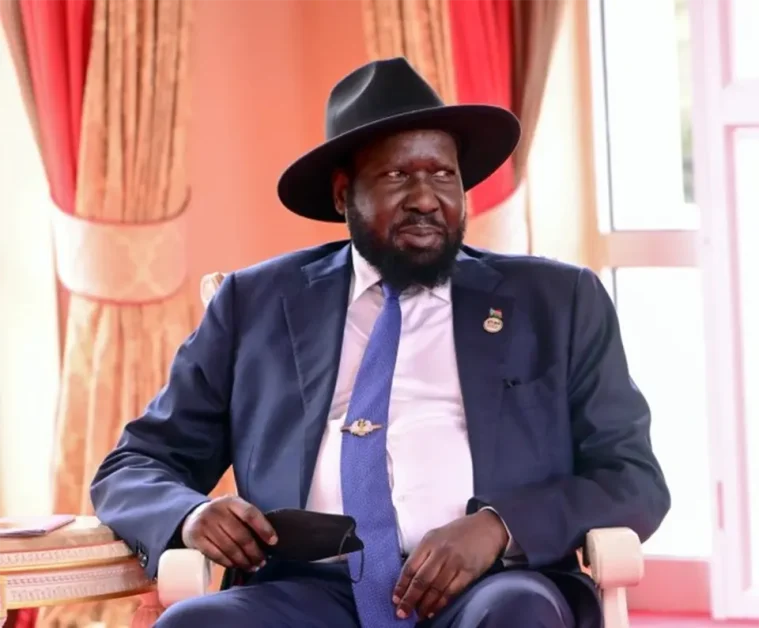
Photo source: X(Twitter)
“The anti-corruption banner is selectively deployed,” one regional governance analyst told The African Mirror, speaking on condition of anonymity. “Kumba was not a stranger to the system. Her removal is less about fiscal rectitude and more about repositioning ahead of a political transition that everyone in Juba knows is coming.”
THE HOT WAR
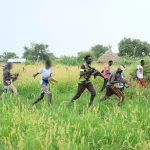
The boardroom battles inside the Transitional National Legislature play out against the backdrop of an active security crisis. Clashes between government forces and armed groups – many aligned with former First Vice President Riek Machar’s movement – have intensified in Upper Nile and Unity states in recent months. The UN Mission in South Sudan (UNMISS) has documented multiple civilian casualty incidents since the beginning of the year, and humanitarian access routes remain contested.
The R-ARCSS process, already years behind schedule on key implementation benchmarks including the cantonment and integration of forces and the holding of national elections, has effectively stalled. The security vacuum has allowed local commanders on all sides to operate with near-total autonomy, deepening what analysts describe as a “war economy” dependent on resource competition and protection rackets.
International partners, including the African Union and the Intergovernmental Authority on Development (IGAD), have issued increasingly urgent communiqués – but without meaningful enforcement mechanisms, Juba’s political class has shown little appetite for the structural reforms the peace process demands.
THE COLD WAR: CORRUPTION AS A POLITICAL WEAPON
Kiir’s anti-corruption record is, at best, contested. South Sudan ranked 180th out of 180 countries in Transparency International’s 2024 Corruption Perceptions Index – the lowest score of any country in the world. Oil revenues, which constitute the backbone of the national budget, have been chronically diverted through shell companies, inflated procurement contracts, and off-budget spending authorised by the very executive institutions now presenting themselves as corruption fighters.
The Dinka elder and longtime liberation movement figure has governed by divide-and-rule since independence in 2011. The sacking of Kumba – herself a product of the SPLM’s internal patronage networks – signals that no office, however symbolic, is immune from presidential recalibration.
What the two wars share is a common denominator: the centralisation of authority in a presidency that appears simultaneously indispensable and incapable of delivering the governance South Sudan’s 11 million citizens require. Kiir’s grip tightens as the state it controls continues to erode.
“What the two wars share is a common denominator: a presidency that appears simultaneously indispensable and incapable of delivering.”
The removal of Kumba will do little to resolve the structural dysfunction that defines South Sudan’s governance crisis. New speaker Paciko enters a parliament that is, by design, a transitional body with limited legislative autonomy – its primary constitutional function reduced, in practice, to ratifying presidential decisions.
The more consequential question circulating in Juba’s diplomatic and political circles is whether Kiir, whose health has been a subject of quiet speculation, will seek to manage succession from within the SPLM or whether the next transition will once again be contested by force.
For South Sudanese citizens enduring the double burden of armed conflict and institutional collapse, the changing of names in Juba’s corridors of power offers little comfort. The country’s wars – the hot one and the cold one – remain unresolved. And the man prosecuting both remains, for now, firmly in command.