THE delicate fabric of peace in South Sudan is unravelling with alarming speed. In a move that threatens to reignite the embers of a brutal civil war, South Sudanese forces have launched a series of arrests that could plunge the young nation back into the abyss of ethnic violence.
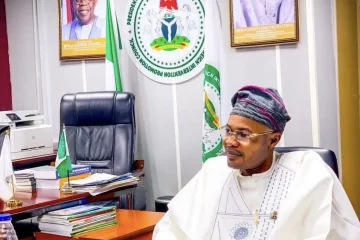
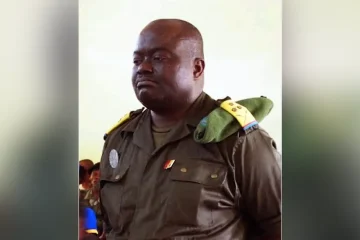
The morning began with a thunderbolt of political tension. Petroleum Minister Puot Kang Chol and Deputy Army Chief Gabriel Doup Lam were swiftly detained, their arrests sending shockwaves through the corridors of power. Reuters reports that multiple senior military officials allied with First Vice President Riek Machar have been placed under house arrest, a strategic move that suggests deeper political machinations.
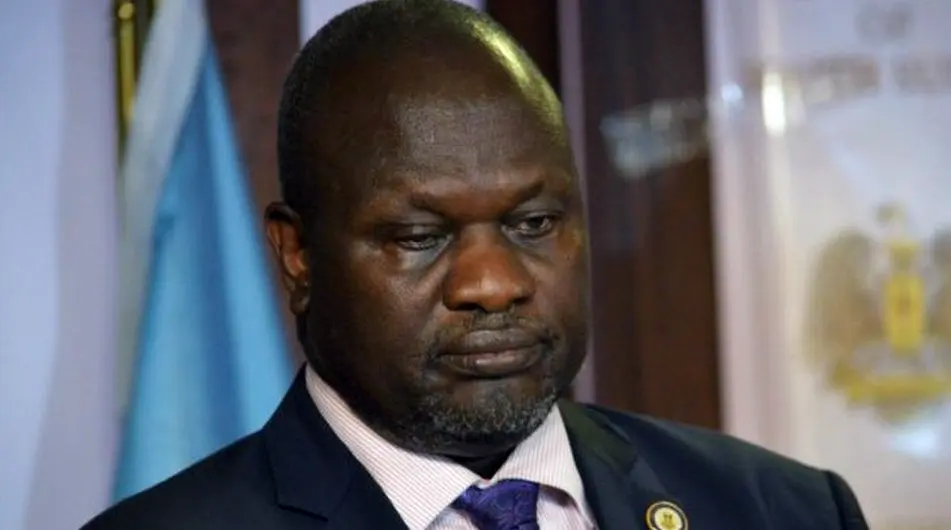
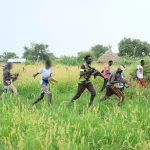
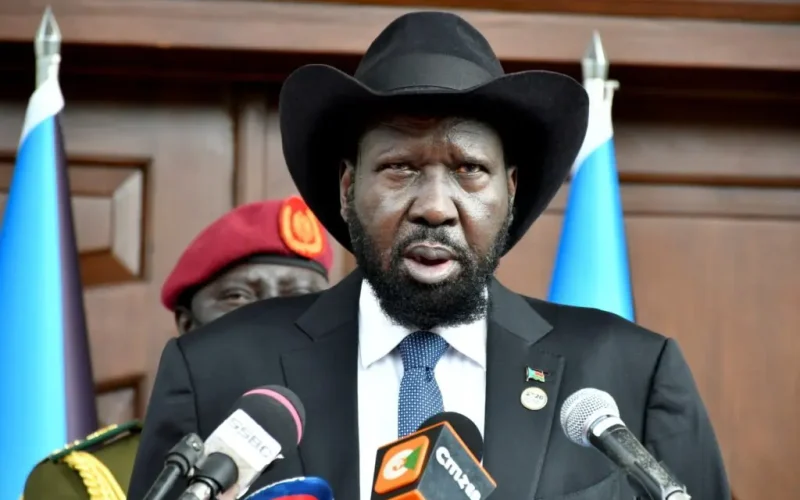
The backdrop of these arrests is the strategic northern town of Nasir, a powder keg of ethnic tensions where recent weeks have seen intense fighting between national forces and the White Army – a loosely organised militia predominantly comprising armed Nuer warriors. This is no ordinary skirmish. It is a haunting echo of the 2013-2018 civil war that tore the nation apart, pitting Machar’s forces against President Salva Kiir’s predominantly ethnic Dinka troops.
Machar’s spokesperson, Puok Both Baluang, expressed bewilderment at the arrests. “As of now, there’s not any reason provided to us that led to the arrest or the detention of these officials,” he told Reuters, his words dripping with uncertainty and foreboding.
The spectres of the past loom large. South Sudan’s civil war was a catastrophic chapter in the nation’s young history – an estimated 400,000 lives lost, 2.5 million people displaced, and nearly half of the 11 million citizens struggling to survive. The 2018 peace deal seemed like a fragile lifeline, preventing outright conflict between Kiir and Machar’s forces, but localized violence has never truly disappeared.
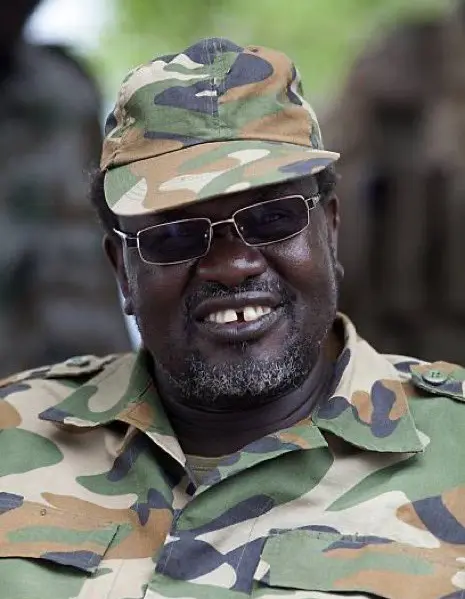
Ter Manyang, head of the Juba-based Center for Peace and Advocacy, articulated the grave concern gripping the nation to Reuters. “The country is likely to slide to war unless the situation is managed by the top leadership of the country,” he warned his words a chilling prophecy of potential devastation.
The international community watches with growing anxiety. The African Union and United Nations peacekeeping mission have already called for de-escalation in the Upper Nile State, warning of the potential for “widespread violence.” Adding to the mounting pressure, the World Food Programme has highlighted an impending drought that threatens to exacerbate the already precarious humanitarian situation.
As troops are deployed around Machar’s residence and political tensions simmer, South Sudan stands at a critical crossroads. The arrests could be the spark that reignites a conflict that has already consumed too many lives, or they could be a calculated political manoeuvre that might yet be defused.
The world holds its breath, waiting to see whether diplomacy will prevail or if the shadows of conflict will once again engulf this fragile nation.