AS the world’s gaze remains fixed on the explosive confrontations in the Middle East, a slower, quieter, but equally lethal catastrophe is swallowing Somalia whole. The fallout from distant wars – not drought alone – is now pushing millions of Somalis toward the precipice of formal famine, exposing a brutal new reality: in a fractured global economy, a conflict in one region can trigger a starvation death sentence in another.
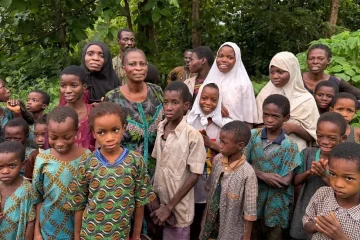
The UN aid teams have issued a chilling recalibration of the crisis in the Horn of Africa. At least six million people are enduring days without food. Nearly two million of them are young children, whom the UN’s top Somalia aid official, George Conway, describes as being at “high risk of illness or death.” These are not abstract figures. They are children whose bodies are already consuming their own muscle tissue, whose immune systems have collapsed, and for whom a case of diarrhea – preventable with basic medicine – can be a terminal event.
Conway’s warning is stark: “The humanitarian context in Somalia is worsening faster than we originally projected.” The trigger is not merely a lack of rain, but a cascade of logistical terror fueled by the Middle East conflict. Global supply chains are fragmenting. Fuel prices are spiking. And for a country like Somalia – where insecurity makes road transport impossible, and aid agencies depend entirely on air freight – that spike is a death sentence.
Consider the math of misery: The price of trucking water, already a lifeline in parched communities, has tripled in some locations over the past month. The cost of fuel has made the most basic act of survival – bringing clean water to a dry village – prohibitively expensive for aid agencies operating on shoestring budgets.
Even more damning is the threat to Ready-to-Use Therapeutic Food (RUTF), the gold-standard treatment for severe malnutrition. The primary supply for Somalia comes from a factory in Nairobi. But because trucks cannot safely cross the border into many Somali regions, the UN relies on air freight. As Middle East-driven fuel prices soar, every kilo of therapeutic food becomes a luxury. UNICEF’s Ricardo Pires put it with devastating simplicity: “It’s a matter of life or death for them.”
The Integrated Food Security Phase Classification (IPC) platform, the world’s gold-standard famine monitor, now confirms a “real and credible risk of famine” in the Barakaba district of South West state. To be clear: Famine is not hunger. Famine is the total collapse of a society’s ability to feed itself. It means at least one in five households is facing starvation, destitution, and death on a mass scale.
What makes this analysis a hard news indictment is the avoidability of the suffering. Somalia has endured drought cycles for decades. But the 2024 Gu rainy season brought localized relief. The problem is not that the rains failed entirely. The problem is that even where water exists, the cost of moving it – and the medicine to treat the malnourished – has been hijacked by geopolitics.
The humanitarian system is not sounding an alarm; it is describing a death march. Nearly one in three Somalis is critically food insecure. Half a million children are so severely malnourished that they require urgent treatment to survive – treatment that may never arrive if air freight costs continue to climb.
This is the hidden front of the Middle East war: not missiles, but malnutrition. Not battlefields, but broken supply chains. The world’s wealthy powers have allowed a conflict thousands of miles away to effectively blockade food and water from Africa’s most vulnerable children. The question is no longer whether Somalia will tip into famine, but whether anyone will act before the official declaration – when, as history has shown, it will already be too late for tens of thousands.