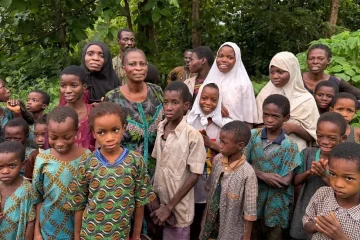
A massive new wave of refugees—predominantly women and children—is pouring across Chad’s northern border as brutal violence engulfs Sudan’s North Darfur region, the UN Refugee Agency (UNHCR) reported.
Nearly 20,000 people have arrived in Chad in the past two weeks alone, many bearing witness to horrific atrocities in El Fasher and surrounding areas. UNHCR officials warn that another 10,000 desperate civilians are currently attempting to reach the border.
“What we’re seeing is an alarming escalation of an already catastrophic humanitarian crisis,” said Magatte Guisse, UNHCR’s Representative in Chad, speaking from N’Djamena. “Most arrivals are exhausted and deeply traumatised.”
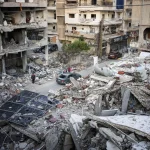
Refugees describe systematic violence that has devastated displacement camps, including Zamzam and Abu Shouk. Men have been executed, women and girls subjected to sexual violence, and homes deliberately burned to the ground, according to survivor accounts.
Those who manage to flee face additional dangers on their journey to Chad, with many reporting robbery, extortion at checkpoints, and continuous threats along the treacherous route.
The new influx is overwhelming a country already hosting 1.3 million refugees, including 794,000 Sudanese who arrived in just the past two years.
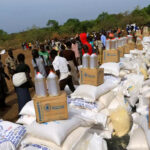
“Chad has shown remarkable solidarity, but it simply cannot bear this burden alone,” Guisse emphasised. Despite UNHCR and partners delivering emergency assistance at border points and relocation sites, the response remains “far from sufficient given the scale of the crisis.”
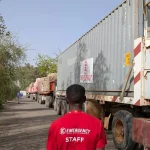
The situation has been further complicated by recent attacks on Port Sudan, which serves as the primary entry point for humanitarian aid into the country. Jens Laerke of the UN Office for the Coordination of Humanitarian Affairs called the port “a lifeline for humanitarian operations,” warning that these attacks exacerbate “already severe access and logistical challenges.”
With only 20 percent of the $409 million required for the 2025 refugee response in Chad funded to date, UNHCR is urging immediate international action.
UN Secretary-General has condemned the fighting and called for urgent dialogue between warring parties, but as violence continues to spiral, the humanitarian situation grows increasingly dire by the day.