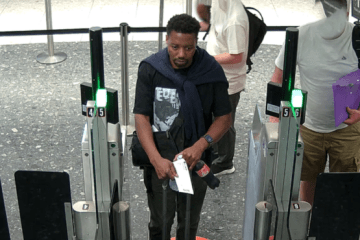

IN the shadowy world where cocaine flows like currency between continents, one man has risen to infamous heights while remaining just beyond the grasp of justice. Jos Leijdekkers, known in criminal circles as “Bolle Jos”, moves like a ghost through the international underworld, leaving behind a trail of narcotics, violence, and frustrated law enforcement officials.
European authorities are now locked in a high-stakes international chess match with one of the continent’s most notorious drug kingpins. The prize: bringing to justice a man whose criminal empire has pumped vast quantities of cocaine from South America into the bustling ports of Rotterdam and Antwerp, flooding Europe’s streets with narcotics.
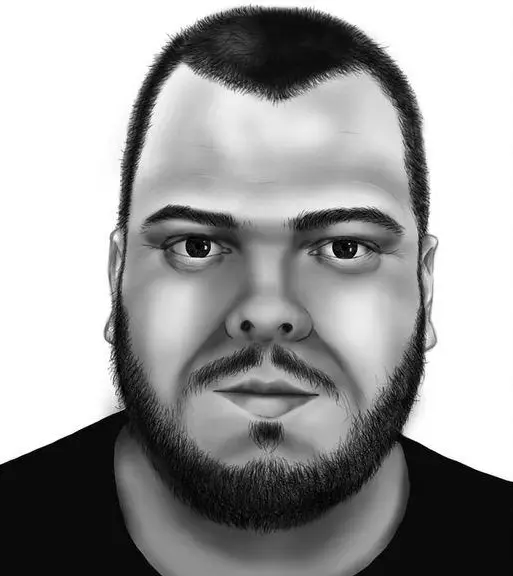
The weight of Leijdekkers’ crimes has already been judged in absentia. A Rotterdam court handed down a staggering 24-year sentence for his orchestration of large-scale cocaine trafficking networks and for ordering an assassination. More recently, a Belgian court added 13 years to his tab for masterminding a failed heist targeting €250 million worth of cocaine. Yet these pronouncements of guilt echo in empty courtrooms – Leijdekkers himself remains conspicuously absent.
Intelligence reports have traced the drug lord to the West African nation of Sierra Leone, where he’s believed to have cultivated protection in high places. European investigators suspect that Leijdekkers has leveraged his immense wealth and connections to secure a comfortable haven far from the reach of European justice systems.
The diplomatic dance has begun in earnest. Dutch Justice Minister David van Weel recently engaged his Sierra Leonean counterpart, Alpha Sesay, in delicate negotiations over Leijdekkers’ fate. The discussions represent a complex interplay of international relations, law enforcement cooperation, and political will. Sierra Leone has signalled a potential willingness to cooperate, despite the absence of formal extradition treaties with the Netherlands.
“We are prepared to review any formal request in accordance with our legal frameworks,” Sierra Leone officials have indicated, setting the stage for a legal battle that could stretch months or even years.
Behind closed doors, a multi-pronged strategy unfolds. The Sierra Leone Police and National Security Agency are mapping out heightened security protocols in anticipation of potentially taking the dangerous criminal into custody. Meanwhile, the country’s Attorney General’s office prepares to scrutinize every aspect of the Netherlands’ eventual formal extradition request, ensuring all legal standards are met.
International pressure mounts daily. Interpol, the European Union, and global anti-narcotics agencies watch the situation with intense interest. For Sierra Leone, how they handle the Leijdekkers case has implications far beyond a single extradition – it could define the nation’s standing in the international law enforcement community for years to come.
European authorities have placed a €200,000 bounty on information leading to Leijdekkers’ capture, a testament to their determination. The message is clear: no matter how far drug lords run or how well they hide, the long arm of justice will continue its relentless pursuit.
As this high-stakes game of international cat-and-mouse continues, Leijdekkers’ lawyers prepare defensive strategies, potentially aiming to challenge extradition through Sierra Leone’s court system. Each legal manoeuvre could add months of delay to an already protracted process.
For now, “Bolle Jos” remains a ghost – sentenced twice over yet physically untouched by the consequences of his crimes. But as European authorities tighten the diplomatic noose and Sierra Leone weighs its response, the drug kingpin’s days of freedom may be numbered. In the relentless battle against transnational organized crime, patience often becomes the most powerful weapon in law enforcement’s arsenal.