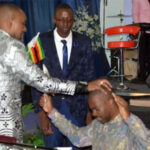
IN the gleaming mega-church complex where thousands once gathered to witness “miracles,” the air now crackles with a different kind of electricity: the sharp voltage of scandal, betrayal, and criminal allegations that threaten to topple one of Zimbabwe’s most flamboyant religious figures.
Walter Magaya, the 35-year-old founder of Prophetic Healing and Deliverance (PHD) Ministries, stands accused of crimes that paint a disturbing portrait behind the golden veneer of his prosperity gospel empire. The man who once promised miracle healing and “miracle money” to desperate congregants now faces rape and fraud charges that have sent shockwaves through Zimbabwe’s religious landscape.
A Pattern of Predation?
The allegations are grave and mounting. On January 26, 2026, Magaya was re-arrested by a special Zimbabwe Republic Police unit mere hours after appearing in court—a theatrical legal loop that his defence team has branded “drip justice” and harassment. But prosecutors tell a darker story: one of systematic abuse allegedly perpetrated against vulnerable women within his congregation, those who came seeking spiritual salvation and instead, authorities claim, found exploitation.
The self-styled prophet had briefly tasted freedom after posting $3,000 bail following an earlier November 2025 arrest, but the legal noose continues to tighten. New allegations have emerged alongside investigations into whether he submitted fraudulent UNISA academic credentials in a bid for sports administration power—specifically, to contest the presidency of Zimbabwe’s football association, ZIFA.
The Prosperity Gospel’s Poisoned Chalice
Magaya rose to prominence during Zimbabwe’s brutal economic crisis, part of a new generation of “brash and flashy” religious entrepreneurs who capitalised on desperation. His PHD Ministries became a beacon for those seeking hope in a nation ground down by hyperinflation, unemployment, and political turmoil. He promised the impossible: instant wealth, supernatural healing, deliverance from poverty’s crushing grip.
But this is not Magaya’s first dance with controversy. In a previous conviction that should have served as a warning, a Zimbabwean court found him guilty of fraud for peddling a supposed herbal HIV cure—a particularly cruel deception in a nation with the sixth-highest HIV prevalence rate in sub-Saharan Africa, where 1.3 million people lived with the virus.
In October of that year, Magaya had boldly proclaimed that his concoction, dubbed “aguma,” possessed “magical powers to destroy the Aids virus within 14 days.” He assured followers the herb was “100% organic” with “no side effects.” The government labelled his claims criminal. When police raided his offices, they discovered evidence of a cover-up: sachets flushed down toilets, containers hastily burned, half-charred remains recovered from bins—the desperate actions of a man caught in deception.
He was fined $700 for contravening the Medicines Control Act, a slap on the wrist that did nothing to diminish his influence or his audacity.
Voices from the Congregation
For the women now coming forward with rape allegations, Magaya’s spiritual authority allegedly became a weapon of coercion. While specific details remain sealed in court documents, the pattern is disturbingly familiar across religious abuse scandals worldwide: charismatic leaders wielding divine authority over followers who have been conditioned to submit, obey, and remain silent.
His legal team’s characterisation of the charges as “old, unsubstantiated allegations” rings hollow against the backdrop of his documented history of deception. Where there is smoke of such magnitude—fraud convictions, fake credentials, miracle cure scams—fire often follows.
A Reckoning Delayed
As Magaya sits in remand custody, Zimbabwe watches to see whether justice will finally catch up with a man who has operated with apparent impunity for years. His story is emblematic of a broader crisis: how vulnerable populations, desperate for hope and healing, become prey for those who wrap exploitation in the language of faith.
The mega-church may still stand, its architecture a testament to wealth built on the backs of believers. But for the women allegedly victimised, for those who consumed fake HIV medications, for a nation that deserves better than snake oil salesmen in prophets’ clothing, this moment represents something more profound than a single man’s potential downfall.
It is a referendum on accountability itself—on whether even those who claim to channel divine power must ultimately answer to earthly justice. In the coming months, Zimbabwean courts will decide not just Magaya’s fate, but whether the age of the untouchable “man of God” is finally coming to an end.