IN the amber glow of a September evening that would reshape a nation’s destiny, the television screens across Malawi flickered with an image that captured the bitter poetry of political fate. There stood Lazarus Chakwera – a man whose very name evoked biblical resurrection – conceding defeat to the spectre of his own past.
The irony was as thick as the red dust that coats Malawi’s roads during the dry season. Five years earlier, this same 70-year-old former evangelical preacher had risen like a phoenix from the ashes of a corrupted election, his victory celebrated with dancing in the streets and hopes soaring as high as the African sky. He had promised to catapult this landlocked nation into a new era, to lift Malawi from the grinding poverty that had shackled it for generations.
But on this Wednesday evening, with the weight of unfulfilled promises heavy on his shoulders, Chakwera’s words carried the sombre cadence of a funeral dirge rather than the triumphant hymns of his pulpit days. “This outcome is a reflection of your collective will,” he declared to a nation that had grown weary of waiting for miracles.
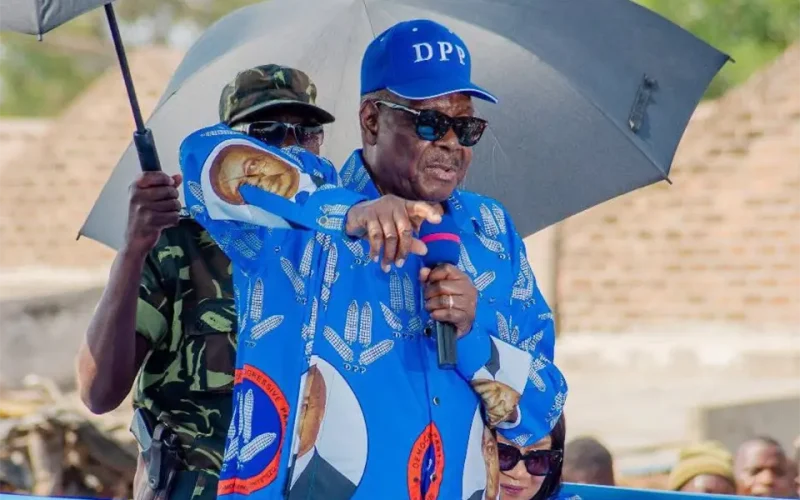
The man who had defeated him was no young revolutionary or charismatic newcomer. At 85, Peter Mutharika embodied the very definition of a political phoenix – grey-haired, weathered by decades of governance, yet somehow more vital than the preacher who had once displaced him. When Mutharika takes office, he will be approaching his 86th birthday, setting him on a path to become one of Africa’s oldest serving presidents, potentially ruling until he reaches 90.
It was a stunning reversal of fortune that spoke to the desperate hunger of a people pushed to their breaking point. The numbers told the story with brutal clarity: Mutharika had captured roughly 60 percent of the vote, a landslide that echoed across the rolling hills and vast plains of Malawi like thunder before a storm.
Between these two electoral victories lay five years that felt like decades to ordinary Malawians. Chakwera’s tenure had been marked not by the divine intervention many had hoped for, but by a series of earthly catastrophes that seemed almost biblical in their scope and severity. Cyclones had torn through the countryside like avenging angels, their winds stripping leaves from maize stalks and hope from human hearts. Drought had followed, painting the landscape in shades of brown desperation, while inflation soared like smoke from a sacrificial altar, consuming the purchasing power of already meagre wages.
The cruel mathematics of survival had worn down even the most faithful. Food became scarce, prices climbed beyond reach, and the promised land that Chakwera had spoken of from countless podiums seemed to recede further with each passing season. Economic stagnation settled over the nation like a heavy blanket, suffocating dreams and aspirations with its deadweight.
Against this backdrop of struggle, Mutharika’s campaign had taken on the golden hue of nostalgia. Here was a man who remembered when things worked, when inflation bowed to his will, when roads were built and corruption—while present—at least delivered some measure of progress. Critics might whisper of cronyism and favouritism, but hungry stomachs rarely concern themselves with the moral complexities of governance.
The 85-year-old’s message resonated with the primal simplicity of survival: “I’ve done this before, and I can do it again.” In a continent where leadership often skews young, where 40-somethings are considered the new generation of African politics, Mutharika’s advanced age became not a liability but a badge of experience, a grey-haired testament to political survival.
The electoral drama carried additional layers of historical irony. This same contest—Chakwera versus Mutharika—had played out twice before, each time with results that would have challenged the imagination of any political novelist. In 2019, Mutharika had initially been declared the winner, only to watch helplessly as courts discovered evidence so brazen it bordered on comedy: correction fluid—simple white-out—had been used to alter vote tallies on official documents.
The subsequent rerun in 2020 had seen Chakwera emerge victorious, carried to power on waves of popular indignation and promises of governmental reformation. Street celebrations had painted the nation in jubilant colours, citizens dancing with the intoxicating belief that their voices had finally been heard, their democracy finally purified.
Now, just five years later, those same streets would witness a different kind of procession—not celebration, but resignation. The wheel of political fortune had completed another revolution, bringing the old man back to power and the preacher back to the congregation of the defeated.
As Mutharika prepares to assume office once again, he carries with him not just the mandate of electoral victory, but the weight of extraordinary expectations. At an age when most men contemplate retirement, he faces the herculean task of resurrecting an economy, healing a divided nation, and proving that experience can indeed triumph over entropy.
The story of Malawi’s election is ultimately a story about time—how it humbles the mighty, elevates the fallen, and reminds us all that in politics, as in life, resurrection is always possible, even for those who might seem past their prime. In a world increasingly obsessed with youth and innovation, an 85-year-old man has just proven that sometimes, wisdom earned through decades of struggle carries more weight than promises of transformation.
As the dust settles on this remarkable electoral reversal, one thing remains certain: come inauguration day, when Peter Mutharika places his weathered hand on the constitution and swears his oath of office, he will not just be accepting the presidency—he will be accepting a final chance to write the closing chapter of his political legacy, with the hopes and dreams of 20 million Malawians resting on his octogenarian shoulders.