THREE prominent African leaders have launched an ambitious peace initiative aimed at restoring stability to Libya while positioning the North African nation to reclaim its pivotal role within the African Union community.
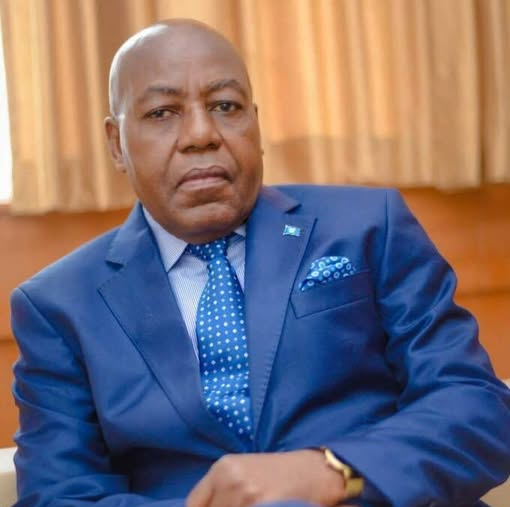
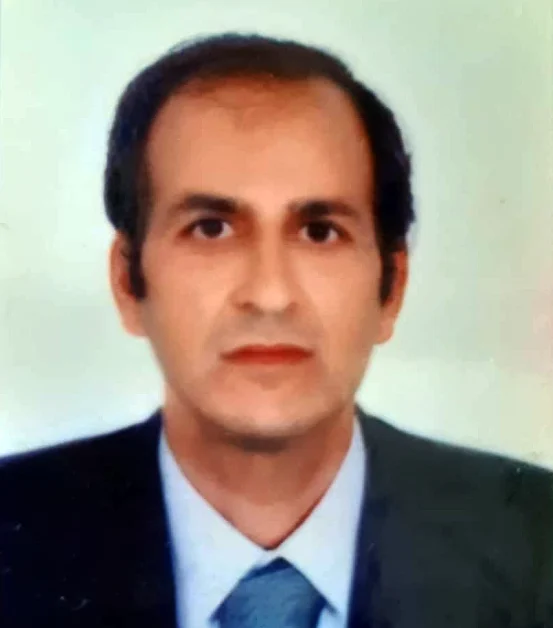
The initiative, spearheaded by Dr. Martin Kabwelulu, former minister from the Democratic Republic of the Congo; Dr. Ahmed Tolba, former minister from Mauritania; and Engineer Taha Muftah Buishi, a Libya-based expert in African affairs and international relations, responds directly to an appeal by Ugandan President Yoweri Museveni in his capacity as chair of the African Union Peace and Security Council.
The three leaders are calling for a historic commemoration on September 9, 2025, in the Libyan city of Sirte – the same location where the African Union was officially established 26 years earlier through the landmark Sirte Declaration of 1999.
“This initiative calls on Libyan official and civil parties to respond positively to this appeal by commemorating this historic declaration in the city of Sirte,” the organisers stated in their announcement. They envision the event forming “the nucleus for the launch of a new phase of unity, peace and stability for a Libyan state that is reconciled with its past, united in its present and looking forward to its future.”
The Sirte Declaration of September 9, 1999, marked a watershed moment for African unity, establishing the African Union in Ouagadougou Hall and including provisions for accelerating the implementation of the Abuja Treaty. That treaty outlined the creation of key continental institutions, including the African Economic Community, African Central Bank, African Monetary Union, African Court of Justice, and African Parliament.
The initiative’s organisers are positioning Libya not merely as a beneficiary of peace efforts, but as a potential “driving force for an integrated and economically, politically and security-wise independent African continent.”

Dr Tolba, one of the organisers, said: “The initiators of the initiative are politicians friendly to Libya who seized the opportunity of President Museveni’s call to launch this popular initiative, hoping it would be a good omen for transforming Libya from polarisation and division to unity and stability. We emphasised in the statement the phrase ‘reconciled with its past’ because commemorating the anniversary is an acknowledgement of Gaddafi’s legacy, and Africans continue to acknowledge his legacy and consider the destruction of Libya a Western conspiracy after Gaddafi began to establish sufficient guarantees for the African currency.
“All Libyan parties, including the parliament representing all parties, welcomed the initiative, convinced of the effectiveness of the African role, based on their previous experience in breaking the air blockade. They are essentially waiting for the African Union to adopt the initiative’s content so that, under its umbrella, they can begin mobilising support for the initiative from international and regional bodies and influential figures.
“They believe that the new awareness that African elites are experiencing of their desire to free themselves from dependence on the West, the signs of which are gradually being revealed by the reduction of French influence, may enable Africa to become a new, independent power with a voice that is heard at the international level. The time has come for Africans to believe in their inherent abilities to resolve their internal conflicts with their usual wisdom and to take the experience of South Africa and the wisdom of its leader, Nelson Mandela, as a model to be emulated. The proverb says: ‘What cannot be attained in its entirety should not be abandoned in part.’”
The call extends beyond government officials to include former presidents, parliamentarians, ministers, current government officials, African media professionals, and intellectuals. The organisers have specifically requested President Museveni to formally adopt the initiative and establish implementation committees in cooperation with the African Union.
Libya has faced ongoing instability since the 2011 overthrow of longtime leader Muammar Gaddafi, with rival governments and militias competing for control. The country’s strategic location, oil wealth, and historical significance to African unity make its stabilisation a continental priority.
The September 9 commemoration would mark exactly 26 years since the Sirte Declaration, lending symbolic weight to efforts to restore Libya’s role in African affairs. The timing also coincides with President Museveni’s current leadership of the AU Peace and Security Council, potentially providing institutional backing for the peace initiative.
Success of the initiative would require unprecedented cooperation among Libya’s fractured political landscape, as well as sustained support from African Union member states and international partners.