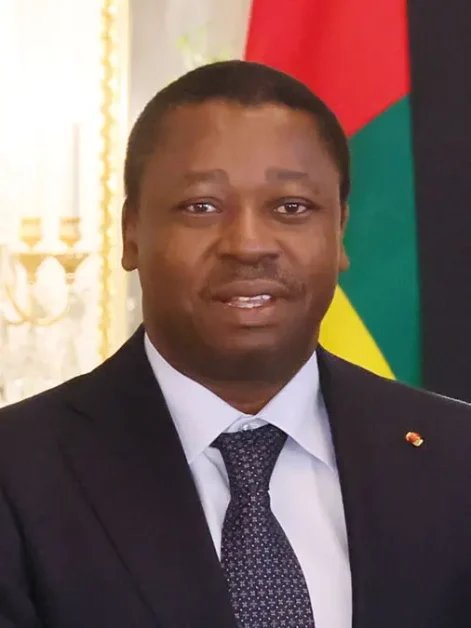
SOLDIERS in Togo have used tear gas and batons to disperse hundreds of protesters who blocked main roads in Lomé, the capital, demanding the resignation of longtime leader Faure Gnassingbé. The protests, organised by bloggers and activists, underscore mounting public anger over recent constitutional changes that could allow Gnassingbé to extend his family’s 58-year rule indefinitely.
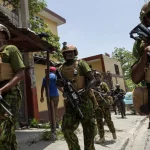
Security forces responded swiftly and forcefully as demonstrators erected barricades and burned tires in several neighbourhoods, sending plumes of black smoke over the city. Military vehicles and a heavy police presence were deployed, with officers firing tear gas and using batons to break up crowds, particularly in the opposition stronghold of Bè. Reuters witnesses reported that clashes continued into the afternoon, and many businesses remained shuttered as a result of the unrest.
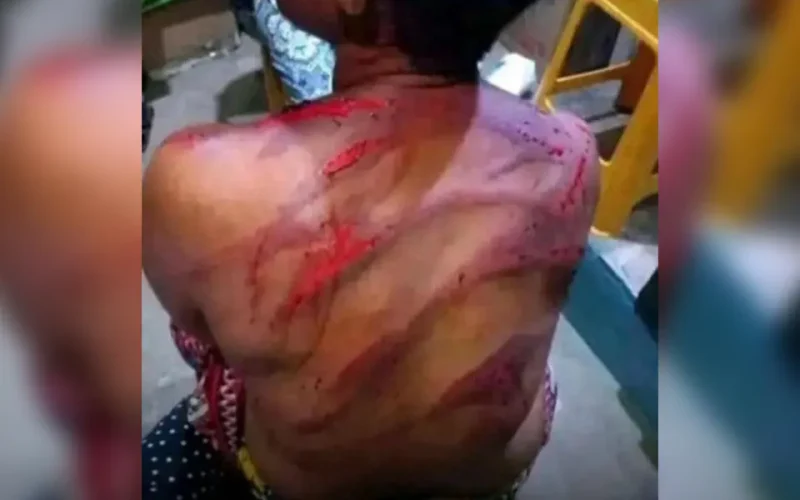
At least ten people were arrested in Bè, and several others were detained earlier in June during protests against Gnassingbé’s new position as President of the Council of Ministers—a powerful role with no term limits. Amnesty International reported that dozens arrested earlier this month were quickly released, but activists allege mistreatment and beatings by security forces.
The latest protests were triggered by Gnassingbé’s recent appointment to the presidency of the Council of Ministers, a move the opposition has condemned as a “constitutional coup.” The position, created through amendments to the country’s constitution, allows Gnassingbé to remain in power indefinitely, fueling fears of a permanent dynasty. The Gnassingbé family has ruled Togo since 1967, and Faure Gnassingbé himself has been in office since 2005.
The protest movement is also driven by frustration over economic hardship and a cost-of-living crisis. “We’re hungry. Nothing is working for the youth of Togo anymore, which is why we are protesting this morning,” said Kossi Albert, a 30-year-old unemployed demonstrator, vowing to return to the streets on Friday.
Suppression of Dissent and Media
Authorities have responded to the wave of dissent with arrests, bans on demonstrations, and a clampdown on press freedom. Earlier in June, the government suspended French international broadcasters RFI and France 24 for three months, accusing them of biased coverage. Demonstrations have been officially banned since 2022 after a deadly incident at Lomé’s main market, making Thursday’s protests particularly significant.
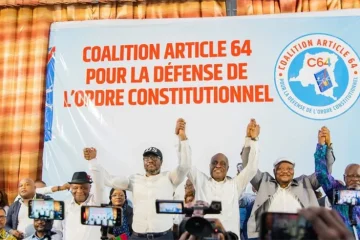
Civil society groups and the “Hands Off My Constitution” coalition have called for three days of peaceful demonstrations and the immediate release of all political prisoners. They are also demanding urgent action to address rising living costs and restore basic freedoms.
The government has not responded to requests for comment on the security forces’ actions. The crackdown has drawn condemnation from opposition leaders and rights groups, who warn that Togo’s political crisis is deepening and could further destabilise the region.
“We’re starving. Nothing is working for the youth of Togo anymore, which is why we are protesting this morning.” — Kossi Albert, protester
The situation remains tense, with more protests expected in the coming days as Togolese citizens demand an end to decades of dynastic rule and a return to democratic governance.
Brutal beating and assault by three agents of the @FEGnassingbe regime's forces against a defenseless woman in Lomé, on the sidelines of yesterday's demonstration. #FreeTogo #Togoiscrying
— VOLTA / OTI YOUTH (@ForVolta) June 27, 2025
It's a big shame! pic.twitter.com/SPZZPfmX8f