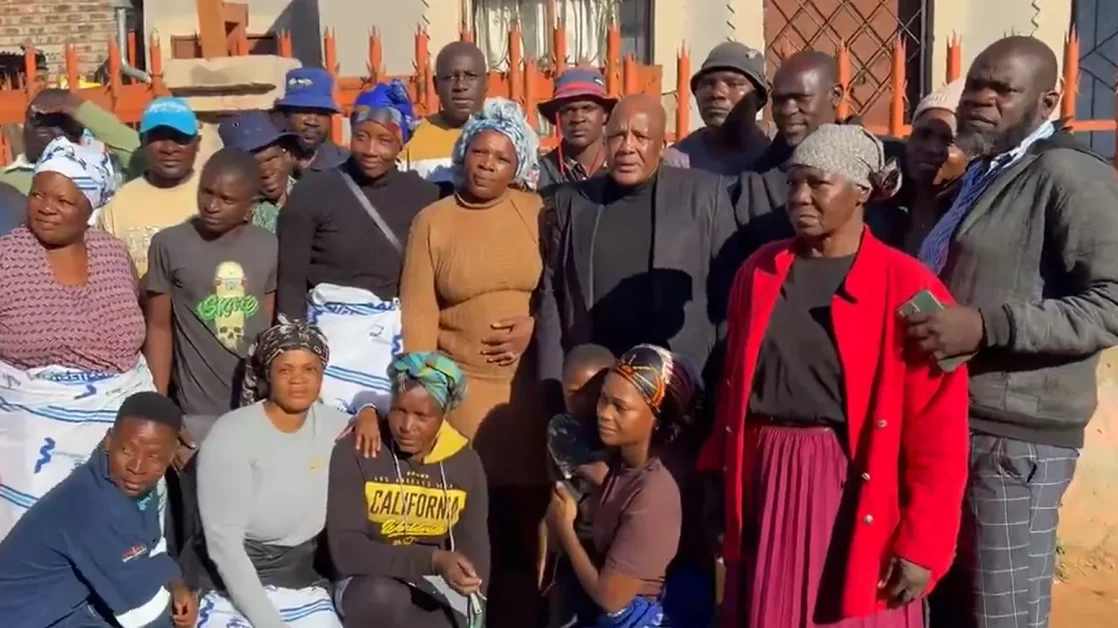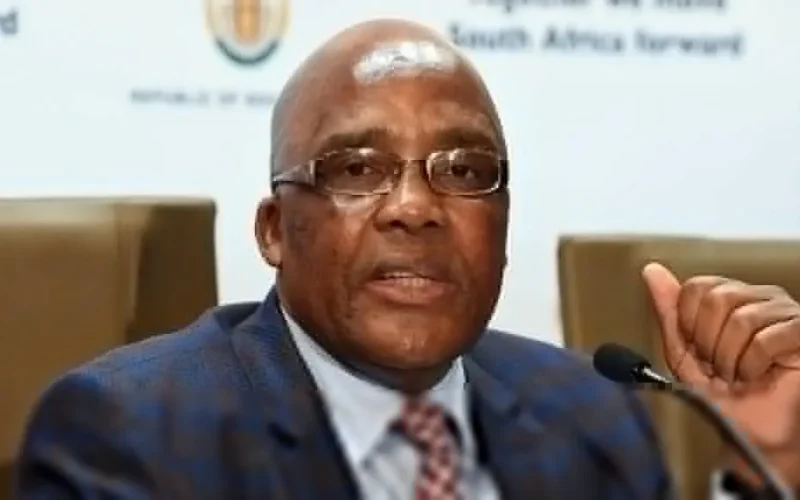
THE black official convoy pulled up quietly on a dusty street in Extension 5, a world away from the polished corridors of the Union Buildings. When Health Minister Aaron Motsoaledi stepped out, dressed in black and carrying groceries like a mournful neighbour, he did something rare for a sitting cabinet member: he walked into the epicentre of a tragedy his own security detail had caused, and he did not make excuses.
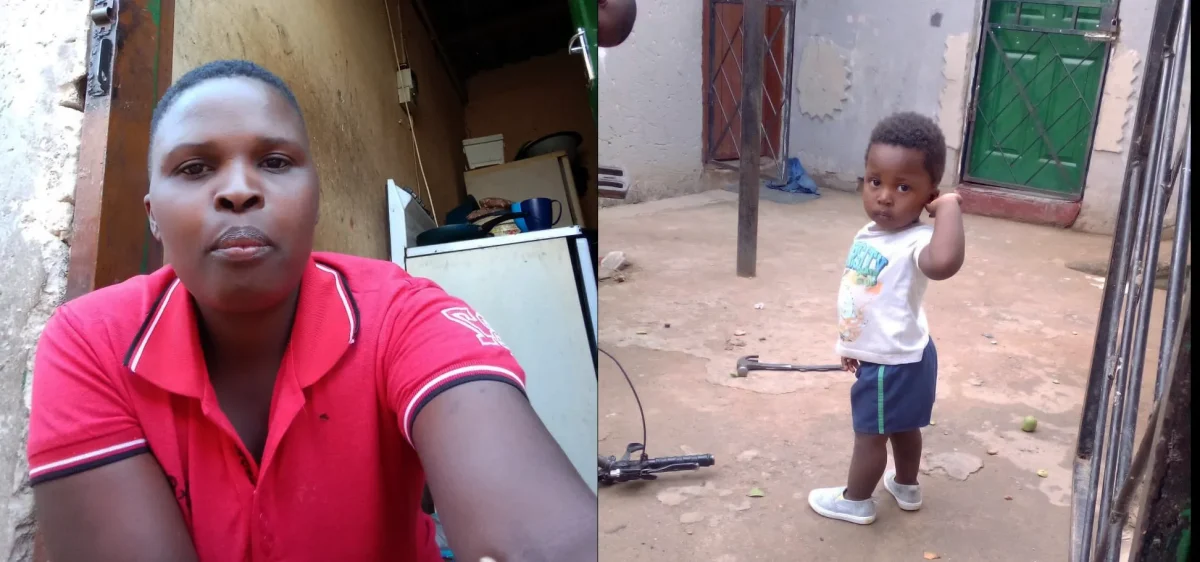
Eight days earlier, on the evening of 9 May, Beauty Shoperai, a Zimbabwean mother, and her one-year-old son were mowed down on the N1 highway near Bela-Bela. They had just learned that Shoperai’s husband – the toddler’s father – had been killed minutes earlier by another car. In the chaos and darkness, as she tried to cross the highway to reach her dead spouse, Motsoaledi’s state vehicle hit and killed her and the child.
“It was very, very difficult,” Motsoaledi told the family on Friday, recounting the moment from the back seat. “I saw something in front of a car, but before you could even think, then there was this smash. To discover that it actually hit human beings, it was devastating.”
This was not a rehearsed political apology. Motsoaledi described standing helplessly on the dark highway, watching other speeding cars strike bodies he could not protect. “You just feel helpless,” he said. For a man who has spent decades as a physician and health minister – confronting HIV/AIDS, COVID-19, and countless avoidable deaths – that confession of powerlessness carried a searing weight.
The family, remarkably, has reiterated that no one is to blame. In a country where VIP protection units have a brutal history of killing civilians with impunity, that grace is extraordinary. But Motsoaledi did not accept it as an escape hatch. Instead, he committed to repatriating Shoperai and her son to Zimbabwe for burial – a practical, human act that cuts through South Africa’s toxic discourse on foreign nationals.
Let us be clear: a mother and her baby are dead because of the machinery of state protection around a senior politician. No amount of grocery deliveries or sombre black suits can reverse that. Yet in South Africa’s political culture – where ministers often deploy lawyers and spin doctors before appearing at accident scenes – Motsoaledi’s conduct is quietly revolutionary.
Consider the context:
– 14-year-old boy left behind, “devastated” by the loss of his mother and sibling.
– Zimbabwean family trapped between borders, now relying on the very minister whose convoy caused their loss to send bodies home.
– Eyewitness accounts confirming Motsoaledi was visibly shaken at the scene – not a man hiding behind diplomatic immunity.
The minister’s trauma is genuine. But genuine trauma is not accountability. The hard question is: why did a state vehicle transporting a cabinet minister hit pedestrians on a highway? Were protocols followed? Was speed a factor? The minister has not publicly answered those questions, and the police investigation remains opaque.
What makes this analysis “hard news” is the uncomfortable tension between Motsoaledi’s obvious sincerity and the structural violence his position represents. He did not order anyone to drive dangerously. But the system that places VIPs in convoys on crowded highways, with drivers under pressure and dark roads poorly lit, is a political choice.
Motsoaledi’s visit did not bring back Beauty and her son. It did not compensate for a 14-year-old boy who must now grow up an orphan in a foreign land. But in a political climate where South African leaders often behave as though citizens exist to serve them, the sight of a minister sitting with a grieving family – sharing their pain, crying with them, and promising to carry their loved ones home – is a reminder of what leadership could be.
The real test will come after the cameras leave. Will Motsoaledi push for an independent, public inquiry into VIP driving protocols? Will he use his cabinet voice to demand that no family ever again has to bury a child killed by a state vehicle? Or will this become another tragic footnote, softened by a compassionate visit?
For now, in a small shack in Bela-Bela, a minister dressed in black held a broken family. That is not justice. But in a country numbed by official cruelty, it is, at least, a beginning.