
UGANDA is preparing for the inauguration of President Yoweri Museveni to his seventh term in office, even as opposition leaders present video evidence they say proves systematic rigging of the January 15 presidential election.
Museveni, 81, who has ruled Uganda since 1986, was declared the winner with 71.61% of the vote by the Electoral Commission. The result extends his nearly four-decade grip on power, making him one of Africa’s longest-serving leaders.
However, opposition leader Robert Kyagulanyi, known as Bobi Wine, has released video footage purporting to show electoral commission officials marking ballot papers in favour of Museveni at polling stations in western Uganda before voters arrived.
“Video showing Electoral Commission officials ticking all ballot papers in favour of Museveni at a polling station in western Uganda. This is what Museveni and his criminal system call an election,” Kyagulanyi wrote on social media platform X. Other videos purporting to show electoral fraud have been uploaded on social media platforms.
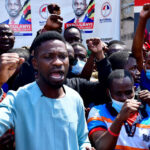
The National Unity Platform leader, who finished second in the election, said many of his party’s polling agents and officials were arrested or abducted, preventing them from protecting votes. He has called the election a “protest vote” and urged Ugandans to submit evidence of irregularities.
The election was conducted under a communications blackout, with internet services shut down hours before polling began. The shutdown prevented real-time monitoring of the vote and limited the ability of citizens to report irregularities as they occurred.
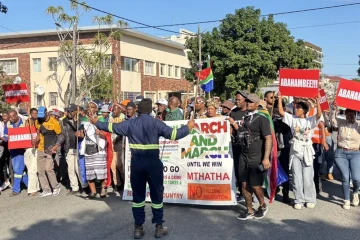
Opposition figures and their supporters faced what they describe as systematic state-sponsored violence during the campaign period. Military and police forces were deployed to disperse opposition rallies, with reports of arrests, beatings and detention of opposition supporters.
Human rights organisations documented multiple instances of opposition activists being detained in the weeks leading up to the election. Several remain in custody.
African Union Endorses Result
Despite the allegations and video evidence circulating on social media, the African Union has endorsed the election outcome.
AU Commission Chairperson Moussa Faki Mahamat commended “the conduct of elections in Uganda” and congratulated Museveni on his re-election in a statement released Thursday.
“The Chairperson expresses sincere appreciation to H.E Goodluck Jonathan, former President of the Federal Republic of Nigeria, for his sterling leadership of the Joint African Union/Common Market of Eastern and Southern Africa/Inter-Governmental Authority on Development Election Observation Mission to Uganda,” the statement read.
The AU praised “the people of Uganda for their commitment to consolidating democratic gains, peace, security, and development.”
The endorsement stands in contrast to the AU’s response to Tanzania’s 2020 election, where the continental body expressed reservations about reported irregularities that were less extensively documented than those alleged in Uganda.
Western governments have so far issued only carefully worded statements expressing concern about the electoral process, without explicitly rejecting the results.
Museveni has been a key security ally to Western powers in the region, cooperating on counterterrorism efforts in Somalia and hosting refugees from neighbouring conflicts.
This strategic relationship has historically limited strong international pressure on Uganda’s democratic practices, even as Museveni has consolidated power over nearly 40 years.
Opposition Calls for Resistance
Kyagulanyi has called on Ugandans to “reclaim their voice” following what he characterises as a stolen election.
“We campaigned. We voted. We tried to protect our vote, but the criminals arrested or abducted many of our agents and officials. The only recourse is for the PEOPLE OF UGANDA to reclaim their voice,” he said.
The opposition leader has urged citizens to continue documenting evidence of electoral fraud and sharing it widely, using the hashtag #FreeUgandaNow.
However, those who speak publicly about election rigging face potential arrest under Uganda’s laws against spreading false information and inciting violence.
Museveni’s Long Rule
Museveni first came to power in 1986 after leading a guerrilla war. He initially positioned himself as part of a new generation of African leaders committed to democracy and development.
Over the decades, however, he has systematically removed constitutional limits on his rule, including scrapping presidential age limits in 2017 when he faced mandatory retirement.
More than 75% of Uganda’s 45 million people are under 30 years old and have known no other leader.
His National Resistance Movement party dominates parliament and controls most state institutions, while opposition parties operate under severe restrictions.
The inauguration is expected to proceed in the coming weeks, with Museveni beginning another five-year term that would see him govern until at least 2031, when he would be 86 years old.
Opposition leaders have indicated they will continue to challenge the election results through available legal channels, though Uganda’s courts have historically ruled in favour of the government in electoral disputes.
Civil society organisations have called for an independent investigation into the allegations of electoral fraud, but no such inquiry has been announced by the authorities.
The government has not responded to requests for comment on the video evidence of ballot-stuffing or addressed specific allegations of pre-marked ballots.
As preparations for the inauguration continue, security has been tightened in Kampala, with increased military and police presence in opposition strongholds across the capital.