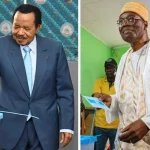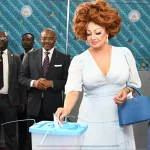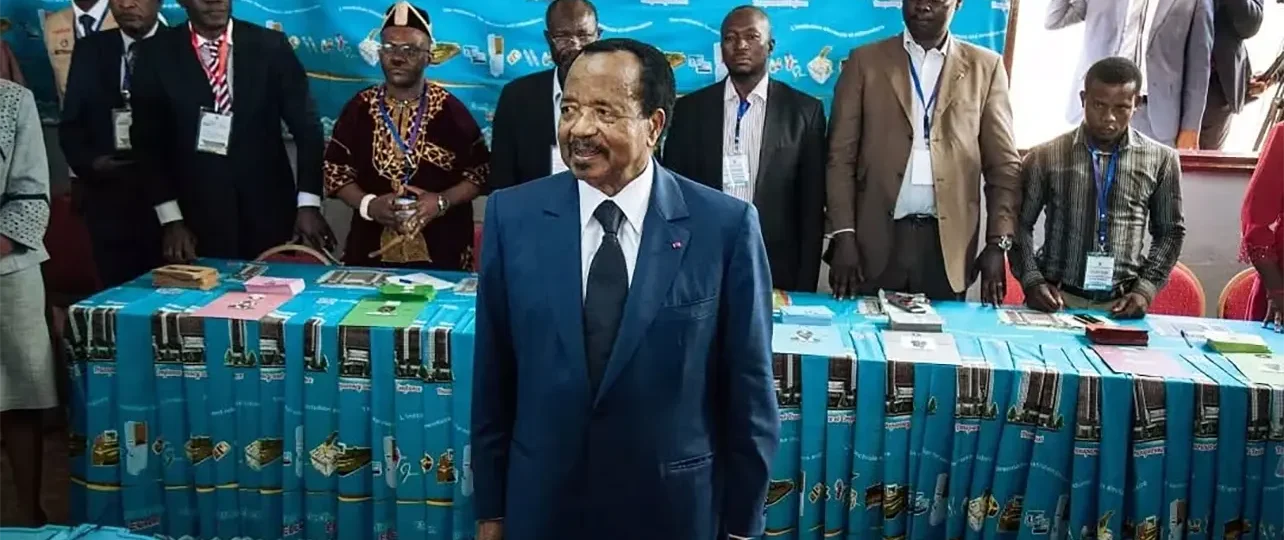

THE United Nations has issued a stark warning about escalating restrictions on democratic freedoms in Cameroon ahead of the October 12 presidential election, raising serious questions about whether the vote can be considered free and fair.
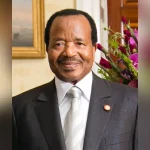
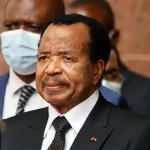
Jeremy Laurence, spokesperson for the UN Human Rights Office, expressed deep concern about the deteriorating political environment in the Central African nation, where 92-year-old President Paul Biya is seeking to extend his four-decade grip on power.
“Ahead of the presidential election in October, growing restrictions on civic and democratic space in Cameroon are raising serious concerns about whether voters can freely express their will,” Laurence said in a statement that highlighted mounting international alarm over the electoral process.
The UN official called for immediate government action to ensure democratic standards. “We are today calling on the Government of Cameroon to ensure an environment conducive to a free, transparent, inclusive and genuine vote. Equal access to participation in electoral processes for all Cameroonians is absolutely essential,” he said.
Opposition Crackdown Intensifies
Laurence detailed a systematic campaign of restrictions against opposition forces that has accelerated in recent months. “Several gatherings have been banned amid rising restrictions on the activities of opposition political parties in the lead-up to the election. There have also been concerns about the exclusion of some political figures from the race and irregularities in voter registration,” he said.
The crackdown has taken increasingly brazen forms, with security forces directly interfering with media coverage. “Recently, a live television interview with a political figure was interrupted by security forces,” Laurence noted, referring to an August incident where Dieudonné Yebga, a former senior opposition member, was escorted off-air during a live broadcast just minutes after it began.
The restrictions extend beyond individual incidents to systematic suppression of civil society. “These developments come following the suspension of three civil society organisations and the banning of two others in December last year and restrictions that were imposed on the operations and funding of some civil society groups,” the spokesperson said.
Key Opposition Leader Barred
The most significant blow to electoral competition came with the disqualification of Maurice Kamto, leader of the Cameroon Renaissance Movement and President Biya’s principal challenger in the 2018 election. Kamto, who finished second in that contest amid widespread allegations of fraud, was removed from the candidate list by the electoral authority Elecam over controversial technicalities related to his association with factional disputes within the Manidem party.
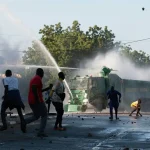
Since Kamto’s July 26 disqualification, his supporters have organised marches and peaceful protests that security forces have repeatedly dispersed using tear gas and arrests. At least 53 opposition supporters have been detained at various times on charges including public disorder, unlawful assembly, and rebellion, though many were later released.
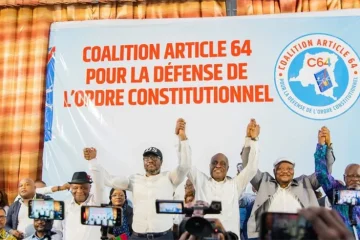
The government has also declared illegal two major opposition coalitions—the Alliance pour le changement and the Alliance politique pour la transition—effectively banning their activities and further narrowing the political space.
Election Held Amid Multiple Crises
The election takes place against a backdrop of severe challenges that threaten both voter participation and national stability. Ongoing armed conflicts, particularly in the Anglophone regions and the Far North, have displaced hundreds of thousands of people. Over 40 percent of Cameroon’s internally displaced persons reside in conflict zones, potentially facing significant obstacles in exercising their voting rights.
The approved candidate list reflects the constrained political landscape. Besides President Biya, who has ruled Cameroon for over four decades, the roster includes lesser-known figures such as Akere Muna, Joshua Osih of the Social Democratic Front, Cabral Libii of the Cameroon Party for National Reconciliation, and Patricia Tomaino Ndam Njoya.
International Pressure Mounts
UN High Commissioner for Human Rights Volker Türk has escalated international pressure on Cameroon’s government, emphasising the urgency of protecting democratic rights. Türk “urges the Cameroonian authorities to promptly address any measures that could disenfranchise sections of Cameroonian society, and to take meaningful steps to address rising hate speech, disinformation, and incitement to violence, both online and offline, in line with international human rights law.”
The High Commissioner also condemned “the arrest of opposition supporters exercising their rights to peaceful assembly and expression,” emphasising that such practices undermine the foundations of credible elections.
Stakes for Regional Stability
The election’s credibility carries implications far beyond Cameroon’s borders. Rising ethno-political tensions, widespread disinformation campaigns, and hate speech have created a volatile atmosphere that threatens to destabilise the nation regardless of the outcome.
Without decisive measures to restore democratic space and protect fundamental freedoms, observers warn that the election risks further entrenching authoritarianism while potentially triggering unrest that could spill over into neighbouring countries in an already fragile region.
As October 12 approaches, the international community faces the prospect of an election that may lack the legitimacy needed to address Cameroon’s mounting challenges, from armed insurgencies to economic stagnation and social divisions that have deepened under Biya’s long rule.