“I don’t belong in the UK. I don’t belong in Mauritius. I belong in Diego Garcia.”
These words, spoken by Bernadette Dugasse, echo across Mauritius as the nation reacts to a historic agreement that will finally return the Chagos Archipelago to Mauritian sovereignty – yet leaves many Chagossians still yearning for true justice.
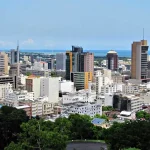
For decades, the people of Mauritius have fought to right a colonial wrong: the forced separation of the Chagos Islands during the country’s independence in the 1960s, and the subsequent exile of its native population. Now, with the United Kingdom’s signature on a £3.4 billion deal, the archipelago is officially recognised as Mauritian territory. Prime Minister Navin Ramgoolam called the moment “the conclusion of the total process of decolonisation,” a phrase that reverberated through the streets of Port Louis and the villages where Chagossians have lived in exile for generations.
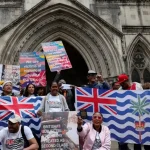
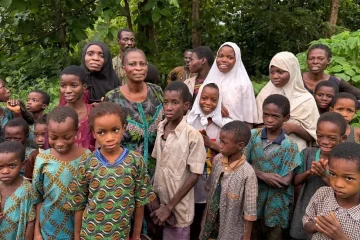
But for Chagossians like Dugasse, the deal is bittersweet. “We have been exiled for over fifty years. Our parents died dreaming of returning home,” said Bertrice Pompe, another leader in the community. “This agreement was signed without our voices. How can there be justice if we are not allowed to return?”
The agreement, while restoring sovereignty, maintains a ban on resettlement of Diego Garcia, the largest island, home to a strategic UK-US military base. The UK and US will retain use of the base for at least 99 years, paying Mauritius an annual lease of £101 million. A £40 million trust fund has been set up for the Chagossian community, but many see it as cold comfort for a lost homeland.

In the markets and on the radio talk shows of Mauritius, the news has sparked both celebration and protest. Some Mauritians see the deal as a long-overdue correction of colonial injustice. “This is a victory for all of us,” said university student Asha Bhugaloo. “But it is not complete until the Chagossians can go home.”
Others, including rights groups and opposition politicians, have criticised the government for failing to secure the right of return. “The wounds of exile are still open,” said activist Jean-Paul Baptiste. “Justice for Mauritius must mean justice for the Chagossians.”
The agreement was nearly derailed by a last-minute legal challenge from Dugasse and Pompe, who argued that Chagossians had been excluded from negotiations. The UK High Court granted a temporary injunction, but ultimately allowed the deal to proceed, citing national security and diplomatic interests.
Internationally, the deal has been hailed as a diplomatic milestone. UN Secretary-General António Guterres called it “an example of diplomacy addressing historical grievances.” Yet the unresolved fate of the Chagossians remains a stark reminder of the unfinished business of decolonisation.
As the Mauritian flag is prepared to fly over Chagos once more, the voices of its exiled children ring out with hope and pain. “We will not stop fighting,” Dugasse vowed. “Chagos is our home. One day, we will return.”
For Mauritius, the deal is a step toward justice. For the Chagossians, the journey continues.