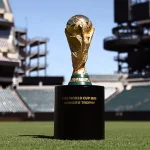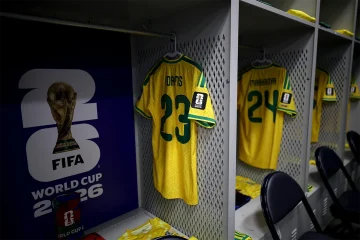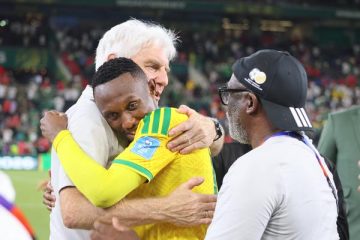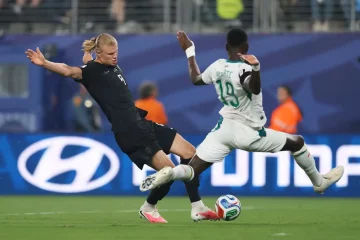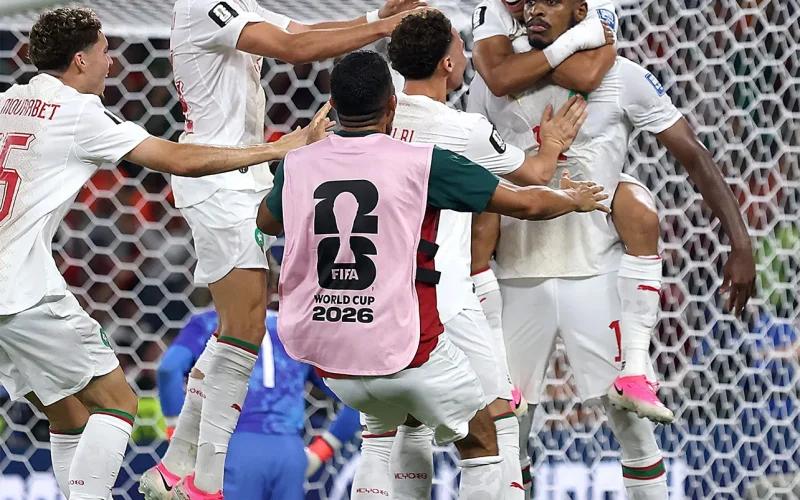
THERE are nights in football when the script tears itself up, sets fire to the bin, and dances on the ashes. Monday was one of those nights. Two of European football’s grandest old houses – the Netherlands, serial World Cup nearly-men, and Germany, four-time champions and self-appointed custodians of penalty-shootout science – were both shown the exit door within hours of each other, and the doormen wore the unmistakable colours of Morocco and Paraguay.
By the time the dust settled over Monterrey and Foxborough, Massachusetts, the 2026 FIFA World Cup had delivered its first true earthquake, and Africa was left standing tallest amid the rubble.
Bounou’s Wall, Saibari’s Cool Head
In Monterrey, Morocco and the Netherlands served up the kind of fixture that ages commentators in real time. The Atlas Lions, last year’s semi-finalists and sixth in the FIFA rankings, were the better side over the piece, but the Dutch, set up by Ronald Koeman in determinedly unglamorous fashion, would not go quietly.
Cody Gakpo, playing through unthinkable personal grief days after his partner confirmed the loss of the couple’s unborn son, somehow found the composure to fire the Oranje into the lead midway through the second half. It looked, for a moment, like the kind of goal that wins more than matches.
Morocco had other ideas. Issa Diop, a central defender barely off the plane before the tournament began, rose to glance home a stoppage-time leveller that sent Estadio BBVA into delirium and the match into extra time. Soufiane Rahimi then danced through the Dutch defence in the 96th minute, only for goalkeeper Bart Verbruggen to produce the kind of save that belongs in a museum, not a football match.

And so, inevitably, it went to penalties – football’s cruellest theatre, the stage where reputations are built and demolished in the time it takes a ball to travel twelve yards. Quinten Timber and Justin Kluivert both missed the target completely for the Dutch. Morocco goalkeeper Yassine Bounou, the wall behind which the Atlas Lions have built two World Cups’ worth of folklore, then got a strong hand to Crysencio Summerville’s effort. Up stepped Ismael Saibari, ice running through his veins where most players’ blood would be boiling, to roll home the winner with all the urgency of a man posting a letter. Morocco 3, Netherlands 2 on penalties. The Dutch, who have reached at least the round of 16 in eight previous World Cups, were out at the earliest stage in their history.
It was Morocco’s second time dumping a major European power out of the World Cup via the penalty spot – Spain suffered the same fate in Qatar four years ago. Lightning, it turns out, strikes the Atlas Lions’ den quite happily twice.
Die Mannschaft Meet Their Match in Foxborough
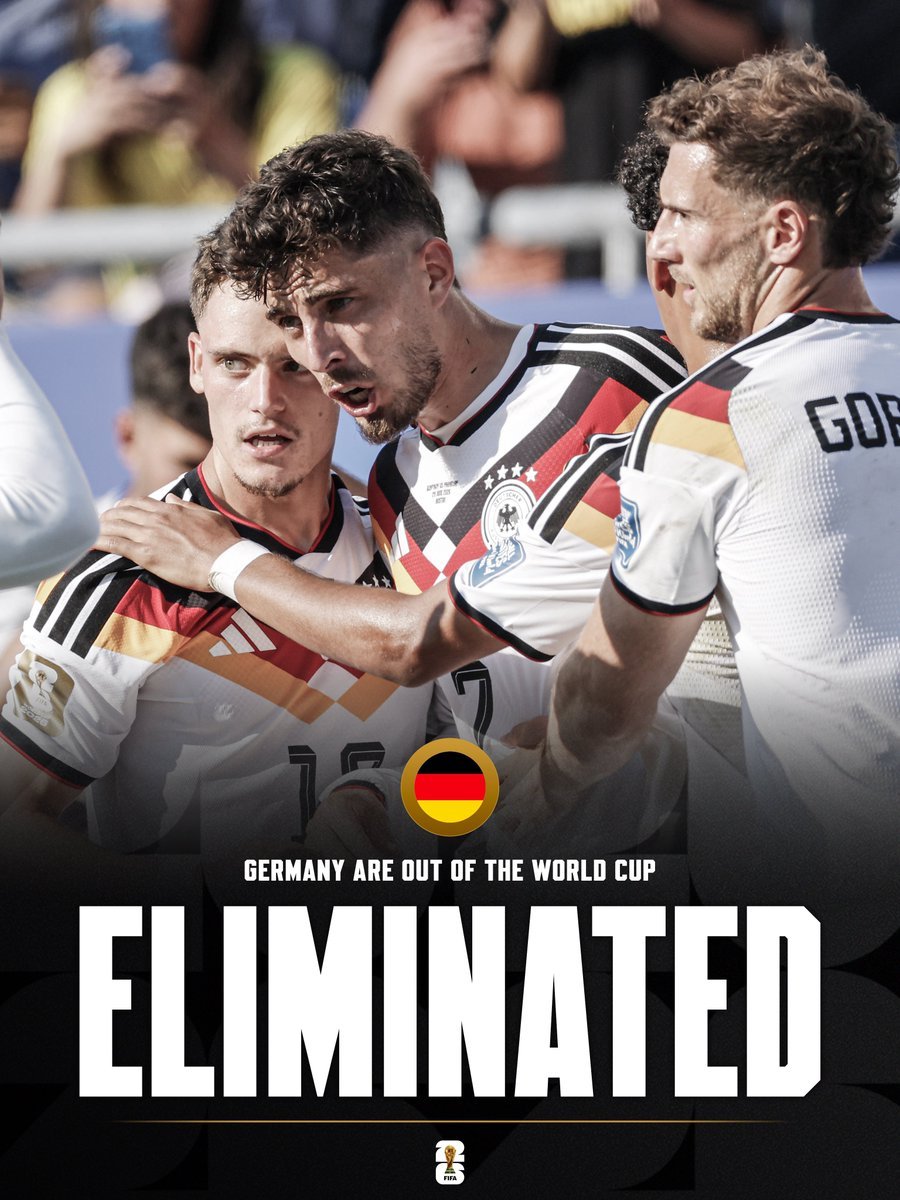
If Morocco’s win was a thriller written and directed by destiny, what happened to Germany in Foxborough was closer to a heist film. Paraguay, ranked a lowly 41st in the world against Germany’s 10th, were given little hope by anyone outside Asuncion. They left with the biggest scalp of the tournament so far, and arguably one of the great upsets in World Cup history.
Julio Enciso headed Paraguay into a deserved lead in first-half stoppage time, finishing off a move started by Matias Galarza. Germany, sluggish and curiously short of ideas for long stretches, hauled themselves level through Kai Havertz’s glancing header early in the second half. A Jonathan Tah goal was then chalked off by VAR for a foul in the build-up, the kind of decision that German football folklore will mutter about for years.
Extra time settled nothing, and the shootout that followed turned into a horror show for a nation that had, remarkably, never lost a World Cup penalty shootout before Monday night. Havertz missed to open proceedings. Nick Woltemade missed. Jonathan Tah, with the chance to send Paraguay home, somehow skied his effort over the bar. Paraguay were not blameless either – Antonio Sanabria missed, and the legendary Manuel Neuer denied Fabian Balbuena – but it was defender Jose Canale, of all people, who calmly slotted home in sudden death to send Germany crashing out of the World Cup at the first knockout hurdle for the first time since, well, ever in the country’s storied history.
Germany had won six of their previous seven shootouts in major tournaments. They had not lost one at a World Cup. Paraguay had reached the knockout stages only six times in their history and had failed to score in five of those games. None of that mattered once Canale’s penalty hit the net. “I think we deserved one more game, considering everything we went through,” Canale said afterwards. “What I want to highlight is how united we are.”
Africa’s Night, and a Continent’s Quiet Pride
For the millions across this continent who have spent decades being told African football is plucky but ultimately ornamental at World Cups, Monday night in Monterrey was not simply a result. It was a statement, delivered with the same composure Saibari showed from twelve yards: Africa does not arrive at the World Cup to make up the numbers. Africa arrives to win.
Morocco’s victory continues Africa’s extraordinary push at this tournament, where the continent has put a record nine nations into the knockout stages, with the DRC’s Leopards still riding their own remarkable wave. The Atlas Lions, semi-finalists in Qatar and now last-16 conquerors of a Dutch side many had fancied to go deep, are no longer the feel-good story of African football. They are simply one of the form teams left in this World Cup, full stop.
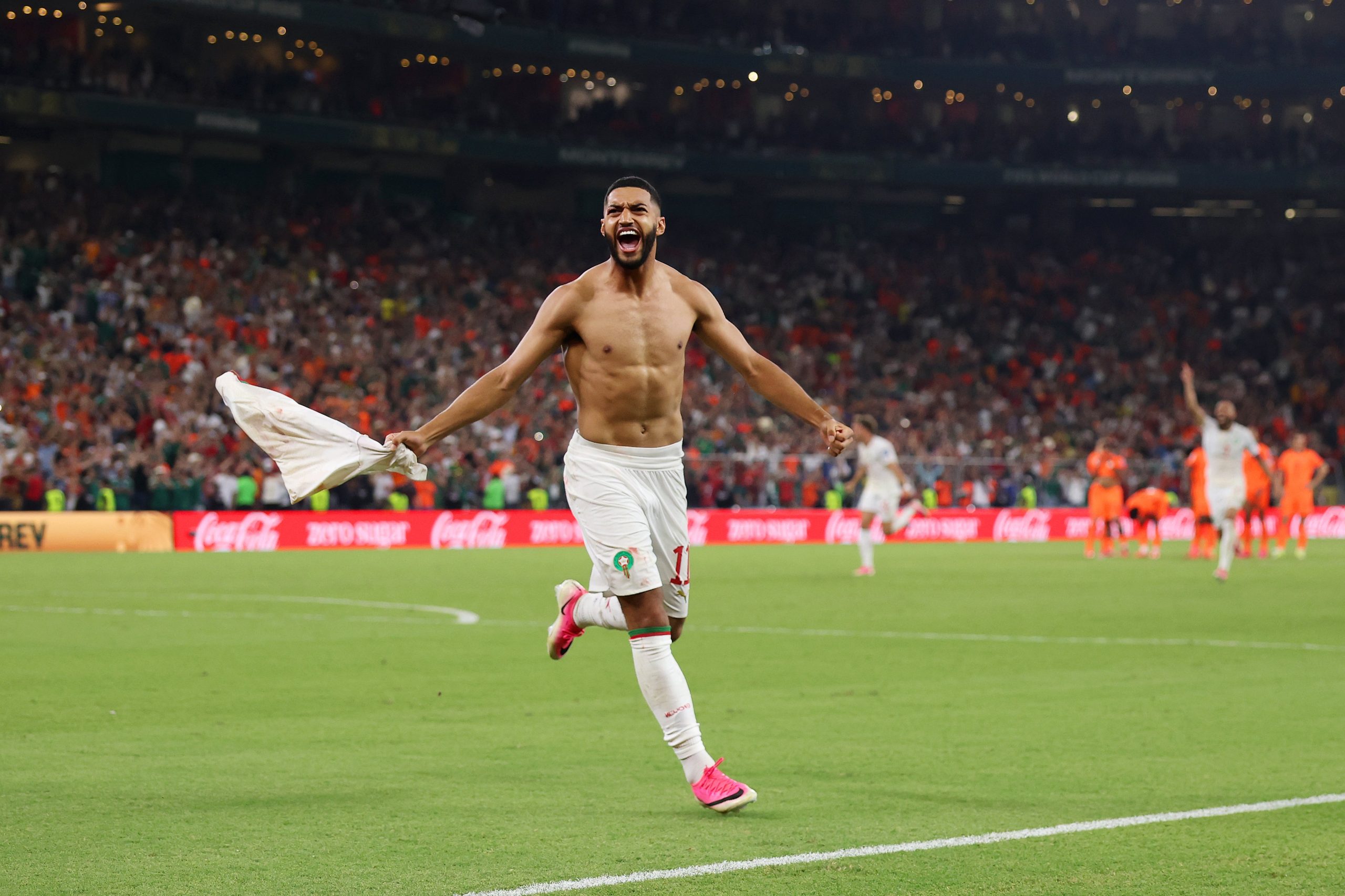
There is a particular flavour to nights like these on this continent. It is not gloating – Gakpo’s personal anguish in the days before kick-off was a sober reminder that there is always a human being behind the badge, and few begrudged him his goal. But there is pride, earned the hard way, in watching Bounou’s giant frame fill the goal one more time, in watching a defender who only joined the squad days before the tournament rise to save the day, in watching a 24-year-old finish the job with the calm of a veteran. Morocco face co-hosts Canada in Houston on Saturday, carrying not only their own ambitions but the weight, gladly shouldered, of a continent’s hopes.
Two Different Routes to the Same Lesson
Paraguay’s win belongs to a different tradition – South American grit, organisation and nerve undoing European pedigree – but it sits alongside Morocco’s triumph as proof that this World Cup is refusing to behave itself. Two of the tournament’s most decorated footballing nations, a combined eleven World Cups between them on paper before a ball was kicked in the knockouts, were eliminated within hours of each other by sides ranked 41st and 6th respectively. Rankings, as ever, were written to be ignored.

Germany’s exit, in particular, will be picked over in Munich and Dortmund for years. It is the kind of result that ends international careers and starts newspaper columns demanding wholesale reform. For Paraguay, it is simply a famous Monday night that will be retold for generations, in much the same way Morocco’s Qatar run still gets retold around dinner tables from Casablanca to Cape Town.
Football has an old, slightly smug saying that the bigger they are, the harder they fall. On Monday, two of the game’s heaviest hitters discovered exactly how hard that fall can be, undone not by superior talent but by composure under the most pitiless examination the sport offers – twelve yards, one ball, a goalkeeper, and nerve. Morocco and Paraguay had the nerve. The Netherlands and Germany, on this occasion, did not.
As the World Cup moves into the round of 16, Morocco’s clash with Canada in Houston now carries genuine continental weight. The Atlas Lions are not there to make the numbers look respectable. They are there, as Bounou and Saibari reminded the football world on Monday night, to win. Africa will be watching, and this time, the rest of the world had better be watching too.