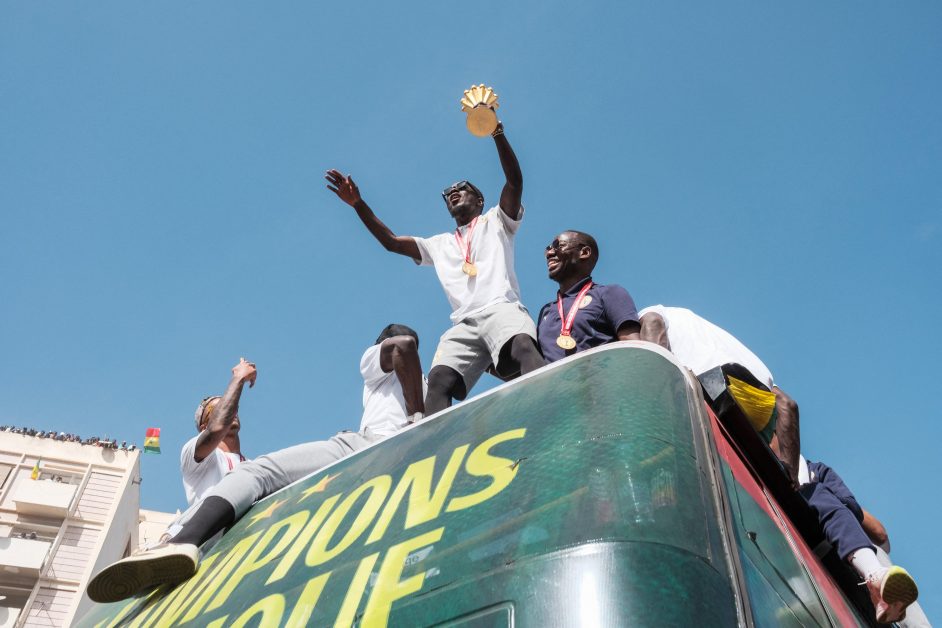
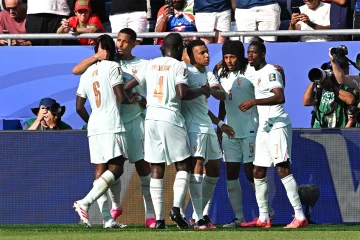
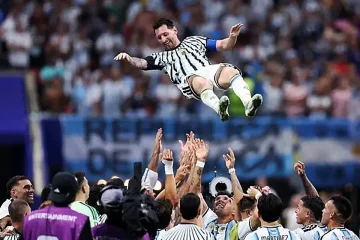
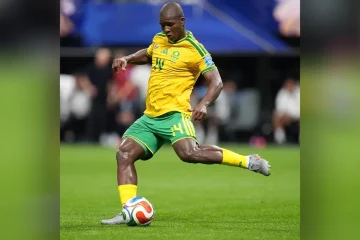
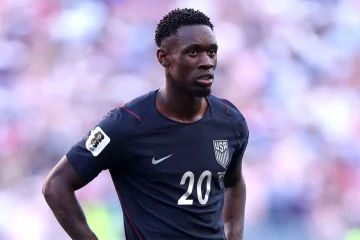
THE sky above Blaise Diagne International Airport erupted in a symphony of vuvuzelas, car horns, and unbridled joy as Senegal’s triumphant squad touched down on home soil, their hands firmly gripped around the gleaming TotalEnergies Africa Cup of Nations trophy. What followed was a celebration that transformed the streets of Dakar into a pulsating sea of national pride – a tableau of green, yellow, and red that stretched as far as the eye could see.
President Bassirou Diomaye Faye stood waiting to greet the returning champions, his words capturing the sentiment of an entire nation when he declared they had performed heroically, displaying beautiful football while remaining exemplary both on and off the field. It was a moment of national communion – the highest office in the land bowing in reverence to the warriors who had conquered Africa.
But the official reception was merely the prelude to an explosion of popular emotion. Outside the airport terminal, thousands of supporters clad in Senegal’s vibrant national colours waved flags, blasted horns, and chanted in celebration, their voices hoarse from two consecutive nights of jubilation that had begun the moment Pape Gueye’s thunderbolt found the back of the net in Rabat.
Against All Odds in Rabat
The journey to this moment of national euphoria had been written in drama, controversy, and ultimately, unwavering resilience. On that rain-soaked Sunday evening in Morocco’s capital, Senegal faced host nation Morocco in a gripping final that remained locked at 0-0 through ninety grueling minutes. The pressure was suffocating – 68,000 partisan fans packed into the Prince Moulay Abdellah Stadium, their deafening whistles cascading down every time a Senegalese player touched the ball.
The drama reached fever pitch in the dying moments of regulation time. Deep into stoppage time, with emotions already frayed after a disallowed Senegalese goal, Morocco was awarded a penalty following a VAR review for a challenge on Brahim Diaz. The tension became unbearable. In an unprecedented display of protest, the Senegalese squad briefly walked off the pitch, their sense of injustice palpable.
But champions are forged in adversity. Édouard Mendy, Senegal’s towering goalkeeper, produced a moment of magic, stopping Diaz’s penalty attempt and forcing the final into extra time. The Lions of Teranga had absorbed the pressure, weathered the storm, and now sensed destiny calling.
Just three minutes into the first period of extra time, that destiny arrived. A turnover in midfield saw Sadio Mané cleverly back-heel the ball into the path of Idrissa Gana Gueye, who released Pape Gueye. With strength, composure, and ice in his veins, the midfielder drove to the edge of the penalty area and unleashed a stunning left-footed strike that goalkeeper Yassine Bounou could only watch sail past him. The goal silenced a stadium, ignited a nation, and wrote a new chapter in Senegalese football history.
Morocco threw everything forward in desperate search of an equalizer, but Senegal’s discipline, resilience, and late extra-time breakthrough proved decisive. When the final whistle sounded, the impossible had become reality – Senegal had conquered Africa on hostile soil, defying the odds, the crowd, and the weight of expectation that bore down on the host nation.
Dakar Turns Green, Yellow, and Red
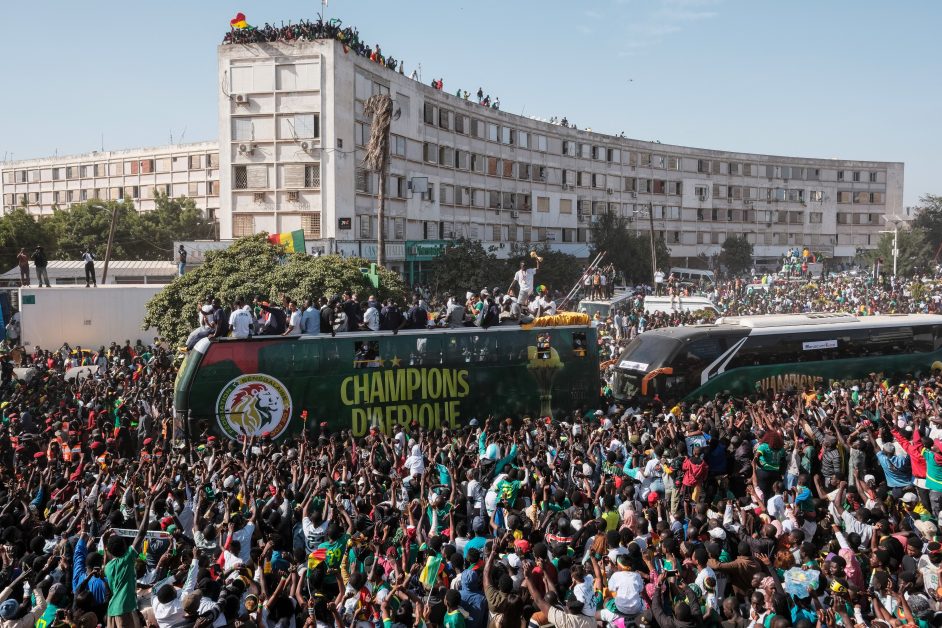
Back home, the celebration had begun even before the final whistle. Car horns, fireworks, and the deafening roar of vuvuzelas echoed through Dakar on Sunday night as fans flooded the streets, with raucous celebrations continuing for a second night on Monday. The city’s heartbeat quickened with every passing hour as Tuesday morning approached—the day the champions would parade through their capital.
The grand parade, officially beginning at 11:00 am local time, would wind through both working-class and upscale neighborhoods before traveling along the capital’s iconic oceanside highway, the Corniche. Every street corner had been transformed. Banners bearing the national colors draped from buildings, trees, and balconies. Everywhere you looked, the tri-color flag danced in the Atlantic breeze.
As the team’s motorcade began its journey through Dakar, the streets became a living, breathing organism of celebration. Children perched on their parents’ shoulders, waving miniature flags. Young men climbed lampposts and walls for better vantage points. Women ululated in traditional celebration. The sound was deafening—a cacophony of joy that seemed to shake the very foundations of the city.
Tens of thousands lined the parade route, music blaring and flags waving, each person desperate for a glimpse of their heroes, for a chance to share in the glory that these men had brought home from Rabat. The trophy, held aloft by captain Kalidou Koulibaly, glinted in the tropical sun – a beacon of achievement, a symbol of what can be accomplished when a nation dares to dream.
More Than Just a Trophy
For Senegal, this victory represents far more than footballing excellence. This is the nation’s second continental title, following their 2021 triumph, cementing their status among Africa’s elite footballing nations. But beyond statistics and records, this is about national identity, pride, and dignity.
In a tournament that showcased African football at its finest, in world-class stadiums with elite organization, Senegal stood tallest. They navigated through group stages, knockout rounds, and ultimately a hostile final environment with the poise of true champions. Coach Pape Thiaw’s words after the game captured the magnitude of what his team had achieved – they had set an objective, prepared meticulously, and despite knowing it would be difficult, showed character and resilience that ultimately paid dividends.
Sadio Mané, the team’s talisman, spoke with raw emotion about giving everything in what could have been his last AFCON appearance, understanding that this was the moment – no tomorrow, no excuses, just the here and now demanding total commitment.
A Presidential Reception Awaits
Later on Tuesday, the champions will be officially received at the presidential palace, where the formal celebrations will continue. But the real celebration—the one that matters most—is already underway in every neighborhood, every household, every heart across Senegal.
One fan, Bamba Sene, captured the collective sentiment perfectly as he proudly carried the national flag through the streets: the pride of being Senegalese, the joy of shared triumph, the unity that sport can forge across all divides.
The newspaper headlines told the story in their own dramatic fashion. “Heroic!” proclaimed Le Soleil in a single-word headline, while L’Observateur simply called the triumph “Unforgettable”.
The Legacy of Rabat
When historians write about the 2025 Africa Cup of Nations, they will record Pape Gueye’s extra-time stunner that decided the final. They will note Édouard Mendy’s crucial penalty save, Sadio Mané’s leadership, and the tactical brilliance that saw the Lions of Teranga overcome a partisan crowd and a determined host nation.
But they should also remember the scenes in Dakar – the midnight arrival, the presidential greeting, the parade through streets transformed into rivers of green, yellow, and red. They should remember a nation united in celebration, where divisions melted away in the shared joy of continental triumph.
For in that moment, every Senegalese person – regardless of background, circumstance, or location – could hold their head high and declare with pride: We are champions of Africa.
The Lions of Teranga have roared. And all of Senegal roars with them.