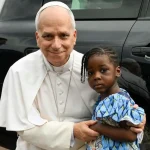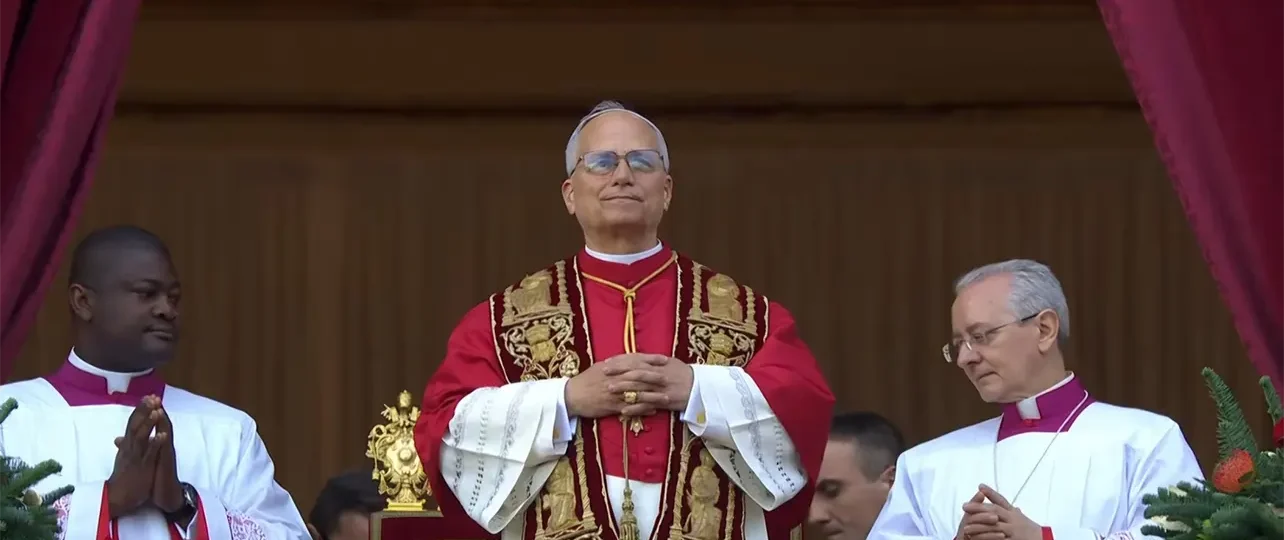

WHEN Pope Leo XIV stepped onto the balcony of St. Peter’s Basilica on Christmas Day to deliver his first “Urbi et Orbi” blessing, he did more than fulfil a ceremonial obligation. The first American-born pontiff used the global stage to spotlight what many world leaders would rather ignore: the human cost of conflict playing out in real time across Gaza, Ukraine, and beyond.
The pope’s most striking departure from diplomatic convention came in his unflinching focus on Palestinian suffering. His imagery was visceral and immediate. He asked listeners to envision families huddled in tents, exposed to winter’s rain, wind, and cold, with over 400,000 homes reduced to rubble. These are not abstract humanitarian concerns debated in the Security Council chambers. Leo presented them as a moral emergency demanding immediate attention.
By invoking the vulnerability of Gaza’s displaced population during Christianity’s most sacred celebration, the pontiff drew a direct parallel between the birth of Christ in humble circumstances and the plight of modern refugees. The message was unmistakable: the marginalised and displaced deserve the world’s compassion, regardless of the political complexities surrounding their circumstances.
Leo’s approach represents both continuity with his predecessor, Pope Francis, and the emergence of his own distinct voice. Like Francis, he champions migrants and the victims of war. But Leo brings the perspective of an American pope navigating a moment when his homeland pursues aggressive deportation policies and debates its role in global conflicts.
His September interview, where he expressed concern over developments in the United States and referenced Francis’s rebuke of deportation plans, suggested this would be no ordinary papacy. His Christmas message confirmed it. Leo appears willing to challenge power structures, even when they originate in his country of birth.
The pope’s call for peace in Ukraine, including his disappointment over Russia’s rejection of even a 24-hour Christmas truce, demonstrates the delicate balance he must strike. He has offered the Vatican as a mediator, an offer Moscow has declined. His repeated meetings with President Zelensky signal where his sympathies lie, yet he continues to frame the conflict in terms of human suffering rather than geopolitical positioning.
This approach reflects the Vatican’s traditional diplomatic strategy: maintaining channels with all parties while advocating for the vulnerable. Whether this moral voice can translate into tangible peace remains uncertain, but Leo is determined to make the attempt.
Beyond his words, Leo’s actions carry meaning. By restoring the tradition of celebrating Mass on Christmas Day for the first time since 1994, and by moving Christmas Eve services back toward their traditional midnight timing, the 70-year-old pontiff signals a return to established practices while simultaneously pushing the Church in new directions on social justice issues.
The contrast is telling: institutional restoration coupled with prophetic challenge. Leo appears comfortable inhabiting both roles.
As the Catholic Church closes its Jubilee year in early January 2026, Pope Leo XIV has established himself as a voice unwilling to shy away from uncomfortable truths. His first Christmas message suggests a papacy that will consistently elevate the voices of the displaced, challenge the comfortable, and refuse to let political calculation silence moral conviction.
The thousands who gathered in St. Peter’s Square in the rain to hear his message received more than seasonal greetings. They heard a leader willing to name specific crises, identify suffering populations, and demand that the world’s attention turn toward those sleeping in tents while the powerful debate policy.
In an era of carefully calibrated diplomatic messaging, Pope Leo XIV’s directness feels both refreshing and risky. Whether his moral clarity can move the needle on entrenched conflicts remains to be seen. But seven months into his papacy, one thing is clear: the world now has a pope who will not look away from suffering, even when acknowledging it proves inconvenient.
The tents in Gaza, the battlefields of Ukraine, and the migrant trails across continents now have an advocate with a global platform. How the world responds to that advocacy may define not just this papacy, but the role of moral leadership in an increasingly fractured international order.