TUNISIA’s ruling party has taken extraordinary steps to weaken the country’s electoral court, one of the last independent institutions supporting electoral democracy in the country.
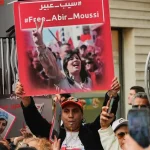
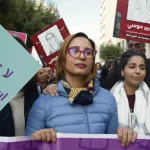
Members of parliament lodged a new draft legislation to strip the administrative court of its oversight powers just months before the presidential elections. The move follows the detention of journalists and opposition politicians as the country prepares for elections.
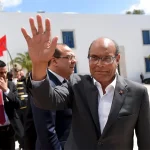
If approved, the legislation would remove the administrative court’s authority to adjudicate electoral disputes. This move is seen as the latest in a series of actions by President Kais Saied’s government to consolidate power and weaken democratic institutions.
The administrative court, widely regarded as Tunisia’s last independent judicial body, has been a crucial safeguard in the electoral process. Its role has become increasingly important since Saied took control of the judiciary in 2022, dissolving the Supreme Judicial Council and dismissing dozens of judges.
This latest development follows a pattern of troubling actions by the government, including the detention of opposition politicians and journalists. Critics argue that these moves are deliberately timed to influence the upcoming October 6 presidential election.
The electoral commission, appointed by Saied, has already disqualified three prominent candidates: Mondher Znaidi, Abdellatif Mekki, and Imed Daimi. In defiance of the administrative court’s rulings, the commission has allowed only two candidates to stand against Saied. One of these candidates, Ayachi Zammel, was sentenced on Wednesday to 20 months in prison for allegedly falsifying signatures on election paperwork, a charge he claims is politically motivated.
Law professors have warned that the electoral commission’s refusal to reinstate disqualified candidates could render the elections illegitimate, particularly if any candidate appeals the results to the administrative court.
Tunisia, once hailed as the only country to emerge from the 2011 “Arab Spring” with democratic leadership, has seen a steady erosion of its democratic institutions since Saied began ruling by decree in 2021. Opposition groups have described his actions as a coup, accusing him of using the electoral commission and judiciary to secure victory by stifling competition and intimidating other candidates.
The proposed bill would transfer jurisdiction over electoral disputes from the administrative court to ordinary courts. Opposition and civil society groups argue that the judiciary lacks independence and is being used by Saied against his opponents.
Saied has consistently denied these accusations, claiming he is fighting against “traitors, mercenaries, and the corrupt” and insisting he will not become a dictator. However, the ongoing crackdown on democratic institutions and opposition voices continues to raise concerns about the future of Tunisia’s democracy as the country approaches a critical election.