THE rainy season is finally coming to an end in northeastern Nigeria’s Borno State. Water levels in the Ngadda River, which flows through the city of Maiduguri, have subsided but the consequences of the floods that swept through the city during September are still visible everywhere.
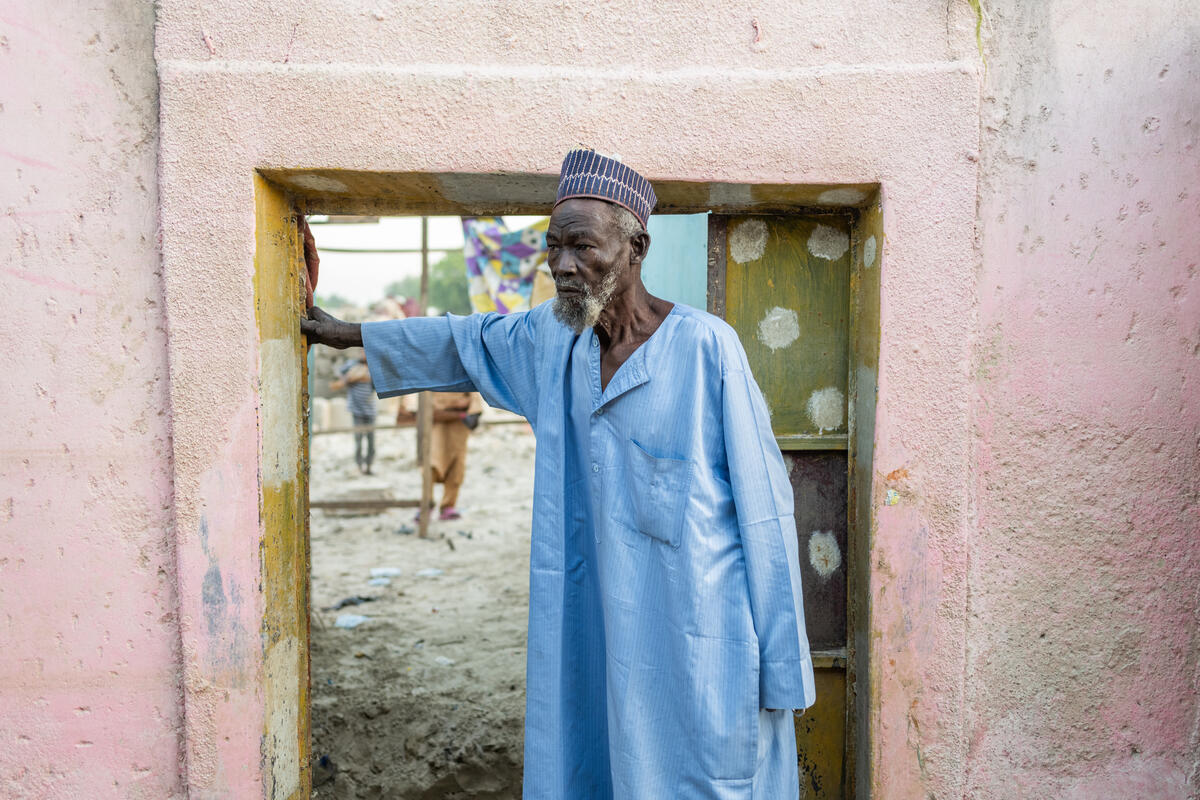
In the Biafra district, near the city’s main market, Sali Umar shows us around his neighbourhood and his house, of which only the façade is still standing. The door of his house opens onto a scene of desolation. The ruins of his former home blend with the ruins of neighbouring houses.
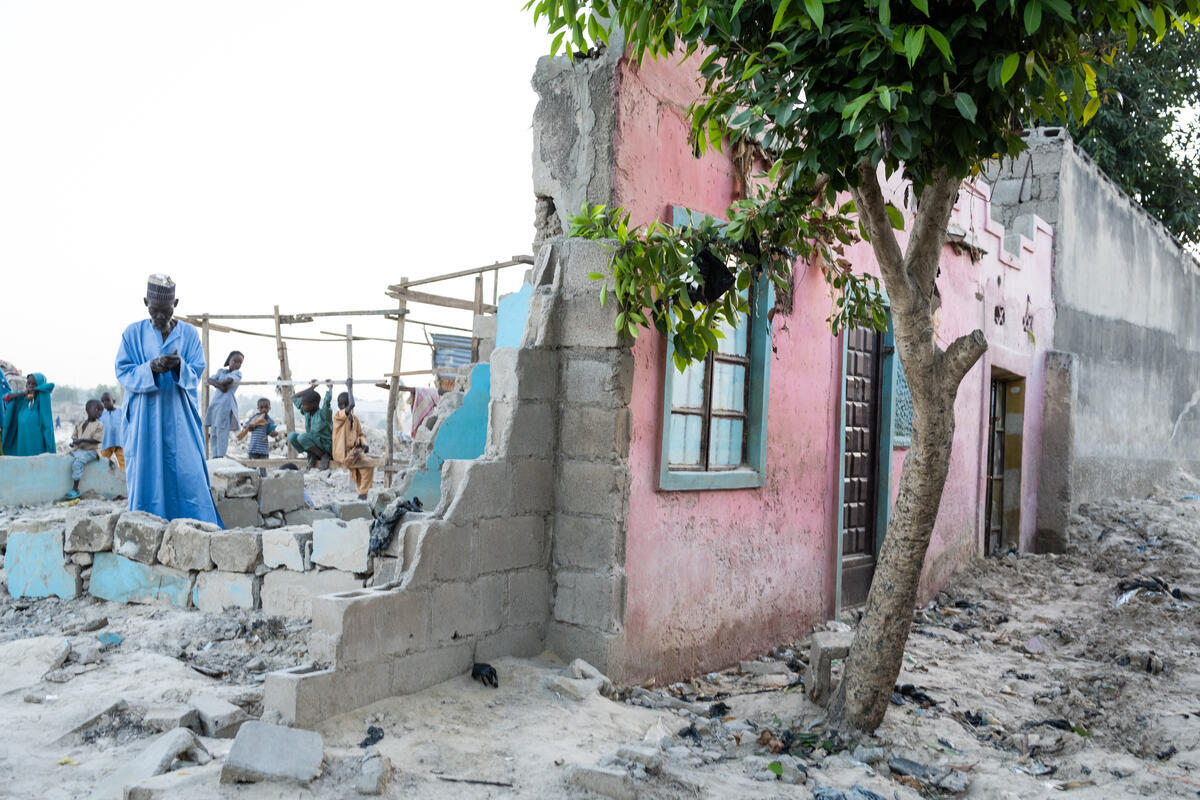
“The water has washed everything away. I’ve lost everything,” he says. “My whole family and I are living with neighbours.”
In this Sahelian region, which is arid for much of the year, heavy rains are not unusual between July and September, but the effects of climate change have fuelled their intensity and frequency. Rising waters, caused by incessant rainfall, turned into a catastrophe on 9 September when the Alau dam broke, releasing floodwater that swept away everything in its path. The floods affected nearly 420,000 people in Borno State alone and left nearly 1,000 people dead, according to the National Emergency Management Authority.
Shelters destroyed
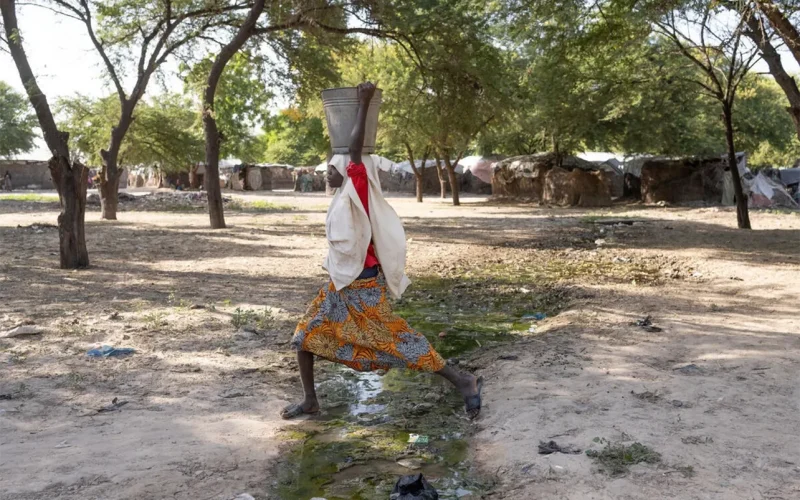
The flooding on the night the dam burst took everyone by surprise, including displaced people living in the El Miskin camp, north of Maiduguri.
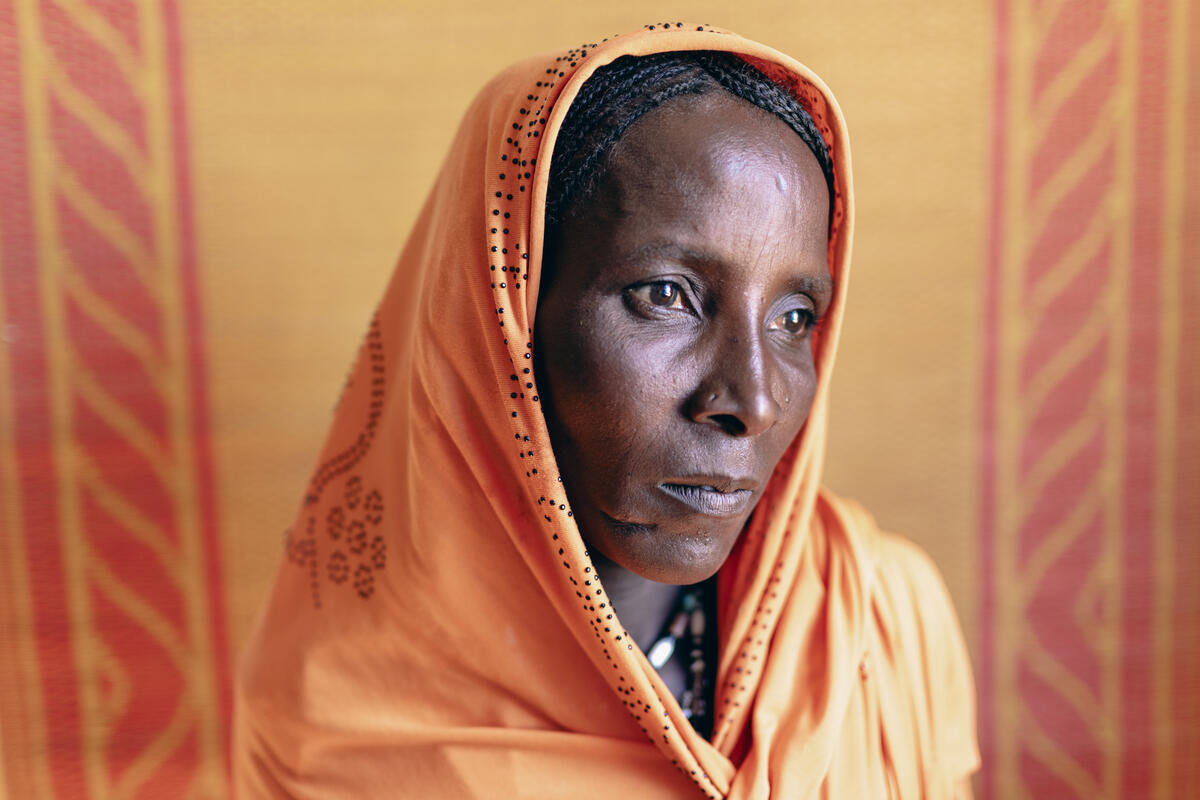
Fanne Mohamed, 40, was sleeping in her shelter with her eight children when the floodwaters arrived. “When I realized what was happening, the water was up to my chest,” she says. “The current was so fast that I wouldn’t have had time to scream if I got swept away. But above all I was panicked at the thought of the current taking the children away. We left the camp as quickly as possible, the older children carrying the younger ones.”
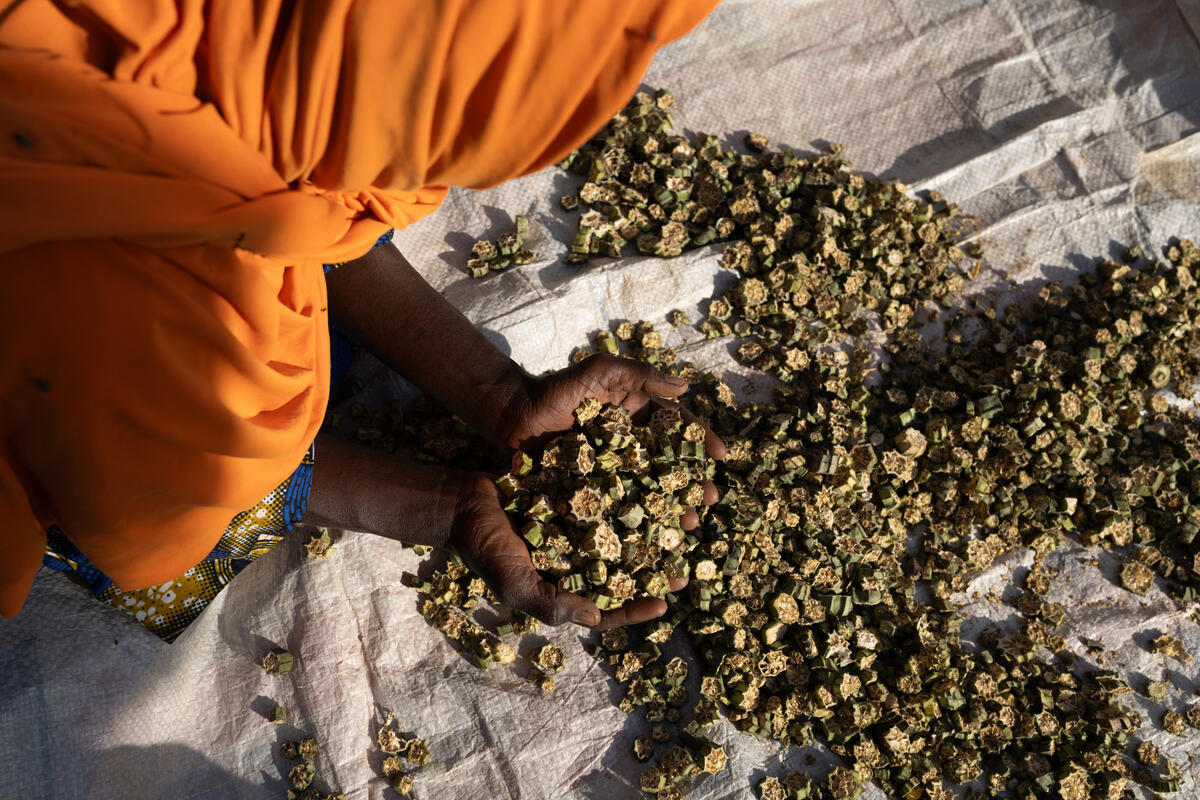
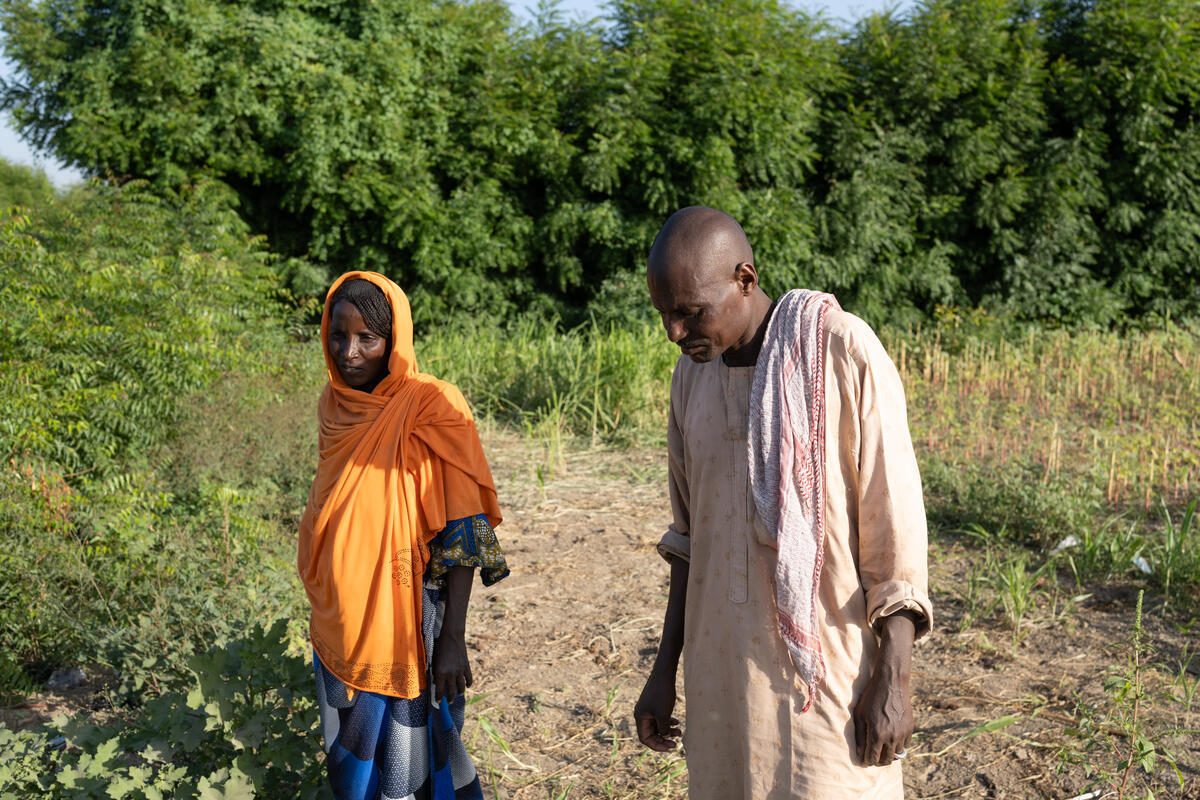
Fanne and her children found refuge on an elevated spot near the road that runs alongside the camp, where they waited for a week before being allowed back into the camp. They survived for seven days on food and drinking water brought by neighbours. Her husband Zakariyya, who was away from the camp looking for work when the floods arrived, joined them a week later.
Fanne and Zakariyya arrived at El Miskin camp in 2014 after fleeing massacres by Boko Haram militants in the town of Dikwa, close to the borders with Cameroon and Niger. They live alongside families from all over Borno State, where the armed group is still active outside towns, carrying out attacks and kidnappings that have driven almost 2 million Nigerians into exile since 2009.
“I’ve lost everything.”
Sali Umar
A large proportion of those displaced have found refuge with their families in Maiduguri and in the El Miskin camp, where 6,900 people are settled. Most of them are farmers and herders who have not been able to return to their home regions.
When the water finally receded in mid-September, Fanne and her family returned to the camp to find their shelter completely destroyed. Built of straw, like most of the houses in the camp, it had been swept away by the floodwaters. “We moved into my sister’s shelter because we had nothing left to rebuild our own,”explains Fanne.
Later, she and her family were among 21,000 displaced households in the Borno region that received a kit from UNHCR, the UN Refugee Agency, that included blankets, mosquito nets, and sleeping mats. They also received a tarpaulin to help rebuild their shelter.
Since then, the family has been trying to get on with their lives as best as they can. Like most of the children in the camp, Fanne’s have not returned to school since the floods. “Every morning, the children go off to look for small jobs. It takes two or three days to find a job that pays 2,000 Naira ($1.22) a day,” she says.
Hunger on the rise
This is also the case for Rukaiya Lawan, 14, who lives a little further down the road in the camp. She grew up here with her grandmother who brought her and her two brothers here after her father and mother were killed in Chibok, the town infamous for the abduction of 276 teenage girls by Boko Haram.
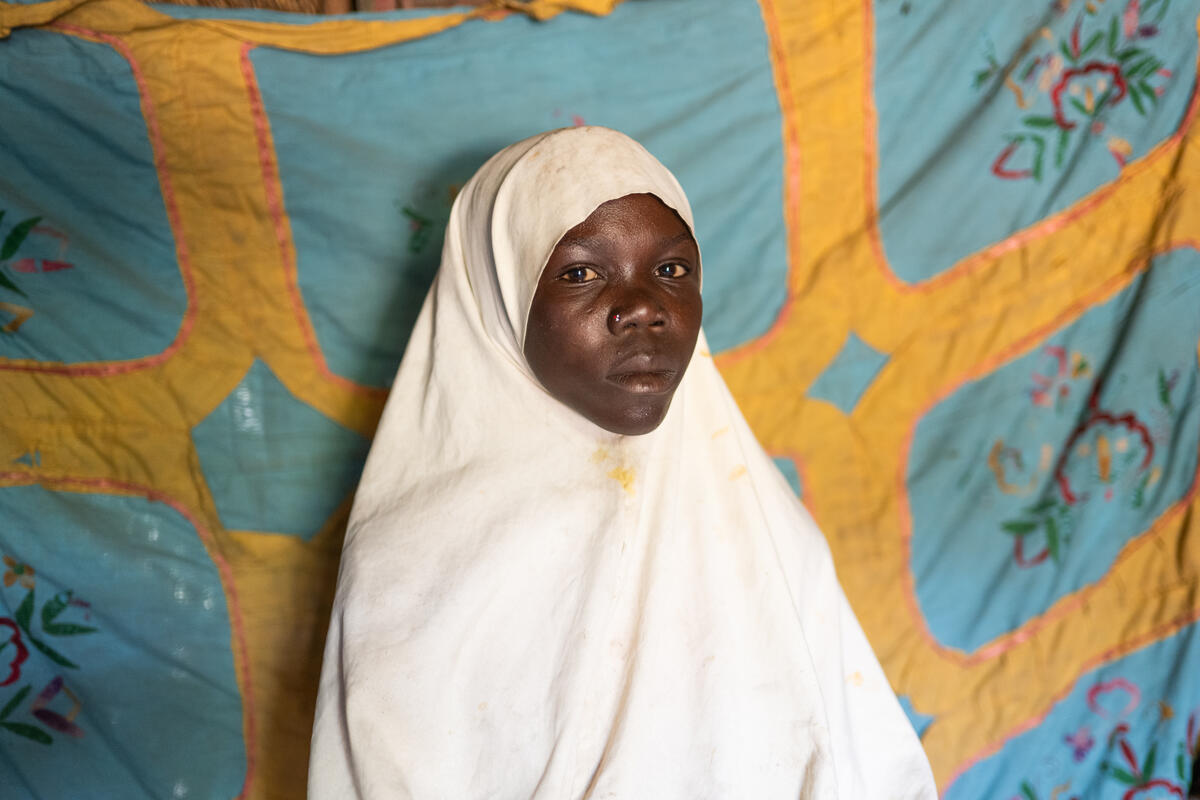
Rukaiya’s daily routine consists of household chores and small jobs, such as selling groundnuts, as well as looking after her grandmother who became ill after the flood. Hertwo brothers, Moussa, 20, and Garba, 18, work in the fields around the town to help feed the household. “After the floods, we had nothing to eat, we lost everything. We had no money left to pay school fees; we survived thanks to people’s help,” says Rukaiya.
“When I realized what was happening, the water was up to my chest.”
Fanne Mohamed
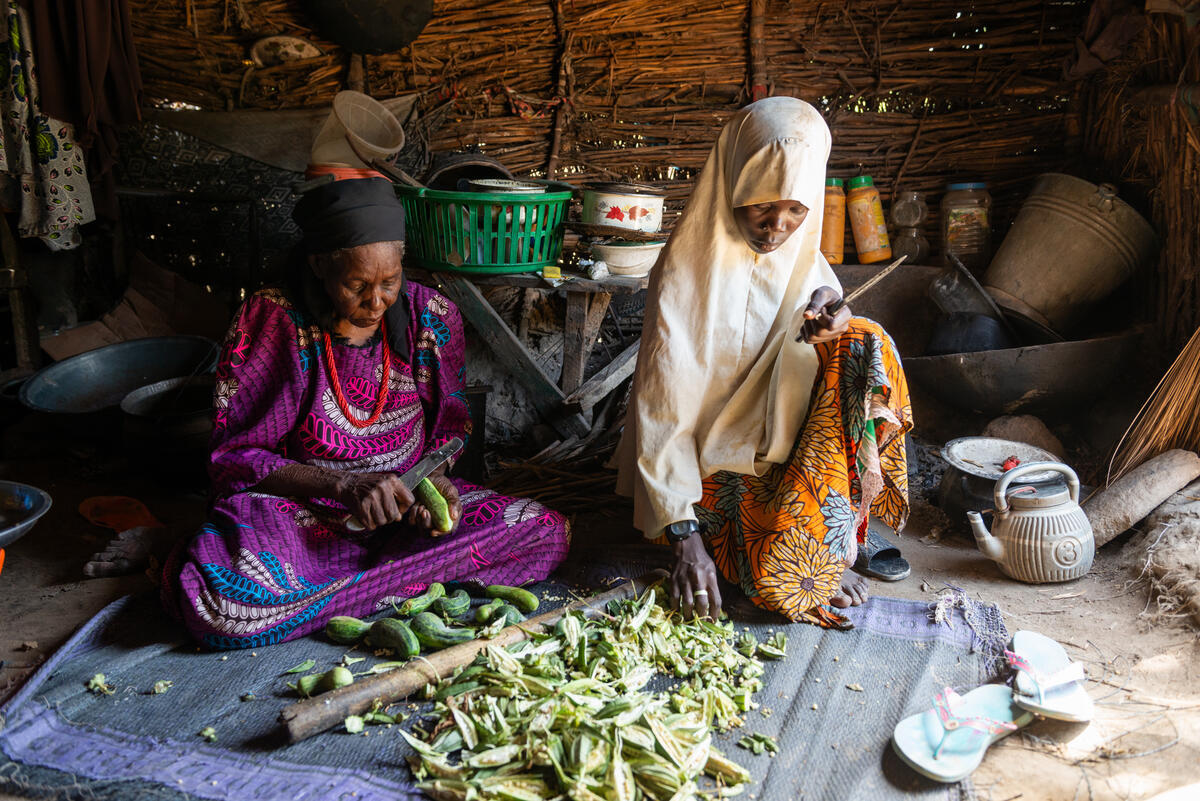
Two months after the floods destroyed most crops, steep food price increases have hit the poorest families and hunger is on the rise. This region, which used to be the country’s breadbasket, is now seeing an explosion in child malnutrition rates. In Maiduguri alone, more than 18,000 children have been treated for acute malnutrition in the wake of the flooding, according to the UN Office for the Coordination of Humanitarian Affairs (OCHA). Between May and September 2024, more than half a million children under the age of five were treated for acute malnutrition in the states of Borno, Adamawa and Yobe. The UN World Food Programme together with other UN agencies has warned of a potential food and nutrition disaster without immediate support.
Already hit by a double scourge, the displaced people of northern Nigeria, former farmers and herders who fed the region for decades, are now facing an unprecedented food crisis.