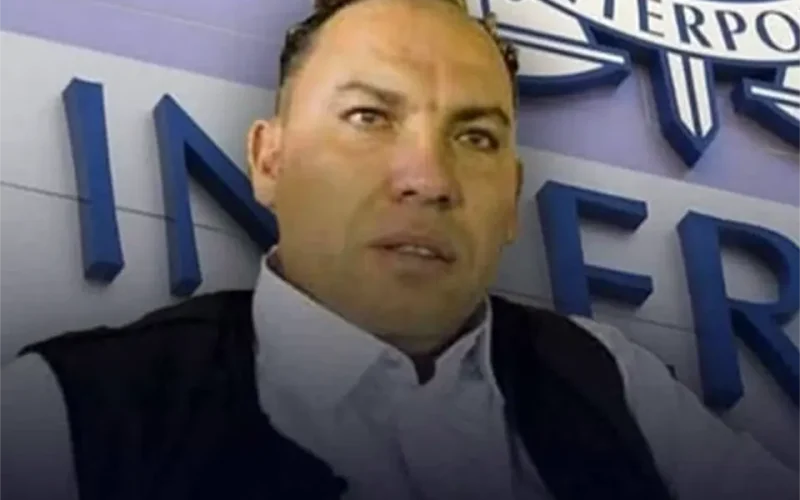
THE crisp Turin morning air carried no hint of the weight of history about to unfold on its streets. Brigadier General Osama al-Najim, a man whose very name had long sent shivers through the spines of those who knew him in Libya, walked freely for the last time, unaware that the shadows of his past had finally caught up with him.
In the labyrinthine corridors of power back in Tripoli, the news of his arrest crashed like a thunderbolt through the halls of the Ain Zara prison facility. The Foundation’s Facebook page blazed with indignation, its director Abdel Moaz Nouri Bouaraqoub’s words carrying a careful dance of protocol and protest. “Rigor, dedication, professionalism,” he declared, painting a portrait that stood in stark contrast to the whispers that had long swirled around al-Najim’s name.
But behind the official statements lay a darker tale. The Mitiga complex, where al-Najim had held sway, stood as a testament to the complexities of modern Libya – a place where civilian aircraft shared tarmac with Turkish combat drones, where the lines between justice and power had long since blurred. Within its walls, a prison held secrets that few dared to speak of, where political opponents shared space with Islamic State militants, their fates sealed behind heavy doors.
The stories of Mitiga had travelled far, carrying whispers of torture that eventually reached the ears of the International Criminal Court. These whispers turned to thunder, and finally to the warrant that brought the mighty general down on Italian soil, far from his desert domain.
In 2022, the streets of Tripoli had echoed with gunfire as al-Najim’s judicial police forces, aligned with the feared Rada special unit, clashed with the Presidential Guard in the Sabaa district. The battle near the Interior Ministry’s secret service headquarters had been more than just another skirmish in Libya’s fractured landscape – it was a demonstration of the complex web of power in which al-Najim had been a crucial spider.
Under the command of Salafist leader Abdul Rauf Kara, the Rada forces had built a fearsome reputation in their fight against terrorism and organized crime. Al-Najim, as head of their judicial police forces, had been a key figure in this structure of power and fear. His arrest in Turin stripped away the armour of impunity he had worn for so long.
Now, as investigations delve into the mass graves of Tarhuna, the ghosts of Libya’s violent past may finally find their voice. The International Criminal Court’s warrant speaks of war crimes, though the specific charges remain shrouded in mystery. But in the wind-swept desert where the dead of Tarhuna lie, there are stories waiting to be told, justice waiting to be served.
The temporary arrest of Osama al-Najim – or Njeem Osama Elmasry, as he is also known – marked more than just the capture of a wanted man. It represented a crack in the facade of impunity that has too long sheltered those who wrote Libya’s darkest chapters in blood and fear. He has eluded justice in Italy and has arrived in Tripoli but victims of his action will continue to dream that he will held accountable for his actions