IN a dramatic confrontation between executive power and judicial authority, Uganda finds itself at a critical crossroads that could reshape its democratic foundations. President Yoweri Museveni’s open defiance of the Supreme Court’s ruling on military tribunals represents more than a mere policy disagreement – it signals a fundamental challenge to the separation of powers that underpins democratic governance.
The Supreme Court’s majority decision to ban the prosecution of civilians in military courts strikes at the heart of a system that has long served as a powerful tool of executive control. This ruling wasn’t just a technical legal decision; it was an assertion of civilian judicial authority and constitutional principles over military jurisdiction. The Court’s order to transfer all ongoing cases to civil courts represented a direct challenge to the executive’s grip on the judicial process.
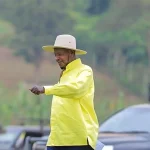
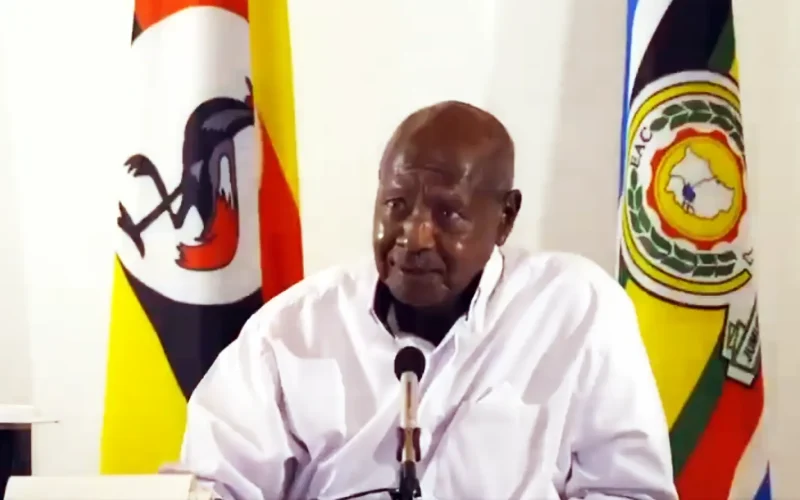
Museveni’s response – “The country is not governed by the judges” – reveals a deeply troubling view of constitutional democracy. By declaring his intention to continue military prosecutions despite the court’s ruling, he’s not just disagreeing with a judicial decision; he’s challenging the very foundation of constitutional governance. His justification, citing the pacification of the Karamoja region, demonstrates a concerning prioritization of perceived stability over constitutional rights.
This confrontation exposes several critical issues:
- The vulnerability of judicial independence in Uganda’s political system
- The militarization of civilian justice as a tool of political control
- The systematic weakening of democratic institutions under long-term rule
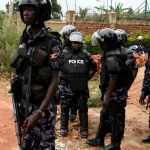
The stark contrast between civilian courts, where judges maintain independence, and military tribunals, where officials answer directly to the president, highlights how these parallel systems serve different masters – one to justice, the other to executive power.
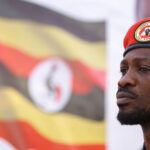
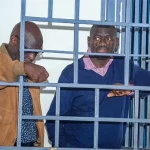
The cases of opposition figures like Kizza Besigye and Bobi Wine illustrate how military courts have been weaponized against political opposition. Their prosecutions follow a pattern: detention, military charges, and prolonged legal proceedings that effectively sideline political opponents. This system has created a parallel justice structure where political cases can be managed with minimal judicial oversight.
With elections approaching and Museveni’s potential bid for another term, this constitutional crisis takes on added significance. The president’s defiance of the Supreme Court could mark either:
- A tipping point that galvanizes democratic forces and judicial independence
- Or a critical erosion of constitutional checks and balances
The outcome of this confrontation will likely define Uganda’s democratic trajectory for years to come. It tests not just the independence of the judiciary, but the very concept of constitutional democracy in Uganda.
This constitutional crisis represents more than a legal dispute; it’s a moment that will define Uganda’s commitment to democratic principles and the rule of law. Museveni’s response to the Supreme Court’s ruling lays bare the tensions between executive power and judicial authority, between stability and rights, between military efficiency and constitutional governance. How this crisis resolves will determine whether Uganda moves toward stronger democratic institutions or further executive consolidation of power.