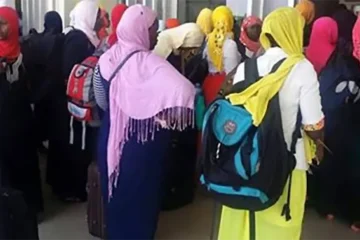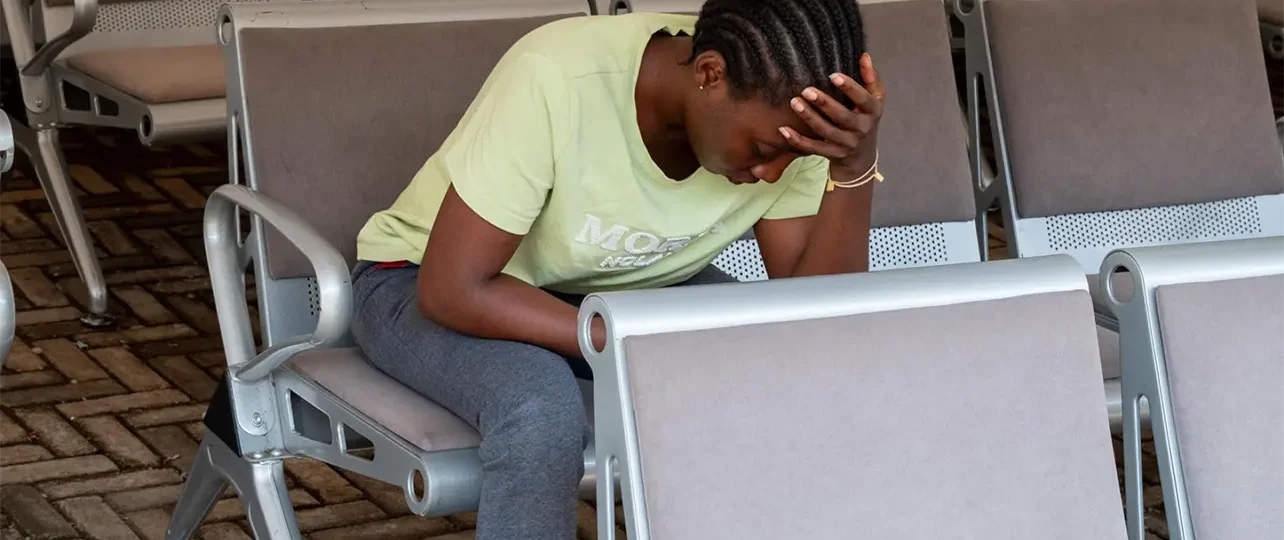

AT a transit centre in Kigali, Rwanda, Jacques, Joshua, and Ange, three students from Cameroon, sit quietly, reflecting on how they ended up here. Just weeks ago, they were pursuing their academic studies in Goma, eastern Democratic Republic of the Congo (DRC).
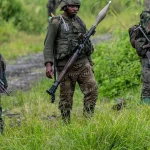
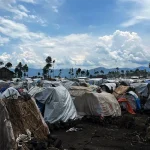
But just 12 days ago, they were suddenly forced to flee to neighbouring Rwanda – only a few kilometres away – when fighting erupted between the armed M23 group and government forces. The recent violence has displaced over 110,000 people, with nearly 3,000 reportedly killed, according to the United Nations Office for the Coordination of Humanitarian Affairs (OCHA).
Joshua recalls the moment the conflict reached them.
“I was woken up by the sound of gunfire. It started in the morning, then again at midday, and then in the evening. We found ourselves in the middle of a serious and dangerous crisis. We had no electricity, no network, no way of contacting our families. I locked myself inside my house, hoping for calm.”
Joshua had travelled to the DRC to study medicine, as access to medical education in Cameroon was limited.
“When I was looking for a school, Goma came up. I didn’t know there was an ongoing crisis until I arrived. Locals reassured me that I would be safe. It was manageable – until the day the violence and fighting started.”

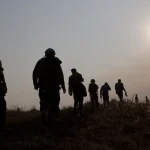
As the security situation deteriorated, the students faced a tough decision – stay in Goma and risk their lives or flee to an uncertain destination. They decided to try reaching the DRC’s border with Rwanda.
“We decided to move as a group,” says Ange. “At that point, we didn’t even know where we would end up. We just wanted to get out of Goma.”
The cost of safety
When Jacques, Joshua, and Ange arrived in Rwanda, they were welcomed by local Cameroonians who offered them shelter and support. Through these connections, they learned about the International Organization for Migration (IOM) in Rwanda.
“I had never heard of IOM before,” admits Jacques. “A friend put us in touch with them.”

IOM provided Ange, Jacques, and the other students with food, accommodation, and security. Of the 56 students who fled the violence and arrived at IOM’s transit centre in Kigali, 40 have already received transportation assistance.
“We were finally safe,” says Ange. “But adapting to this new reality has been difficult.”
Many of the students had to leave without their passports and other important identity documents, making it uncertain whether they will be able to return home.
“Some of us want to go home, but we don’t even have passports,” Ange explains. “Our documents are blocked in Kinshasa, and some of us have passports without visas.”
Education is another major concern. Not only have their schools closed, but some of their academic records have been lost, making it difficult to transfer to other institutions outside of the DRC.
“I need to go back just to get my papers,” says Ange. “That way, I can continue my studies somewhere else.”

IOM continues to provide critical assistance to those displaced by the conflict in eastern DRC. The Organization is working with partners to find solutions that will allow displaced students like Ange, Jacques, and others to be repatriated and continue their studies.
But as violence in eastern DRC persists, the hope of returning home is fading. IOM and other humanitarian partners are urgently appealing for USD 50 million to meet the immediate humanitarian needs of displaced people in the DRC and neighbouring countries. They are also calling for a concerted international effort to address the root causes of violence and instability that have plagued eastern DRC for years.
Written by Saad Bin Hamid, IOM Rwanda Communications Fellow.