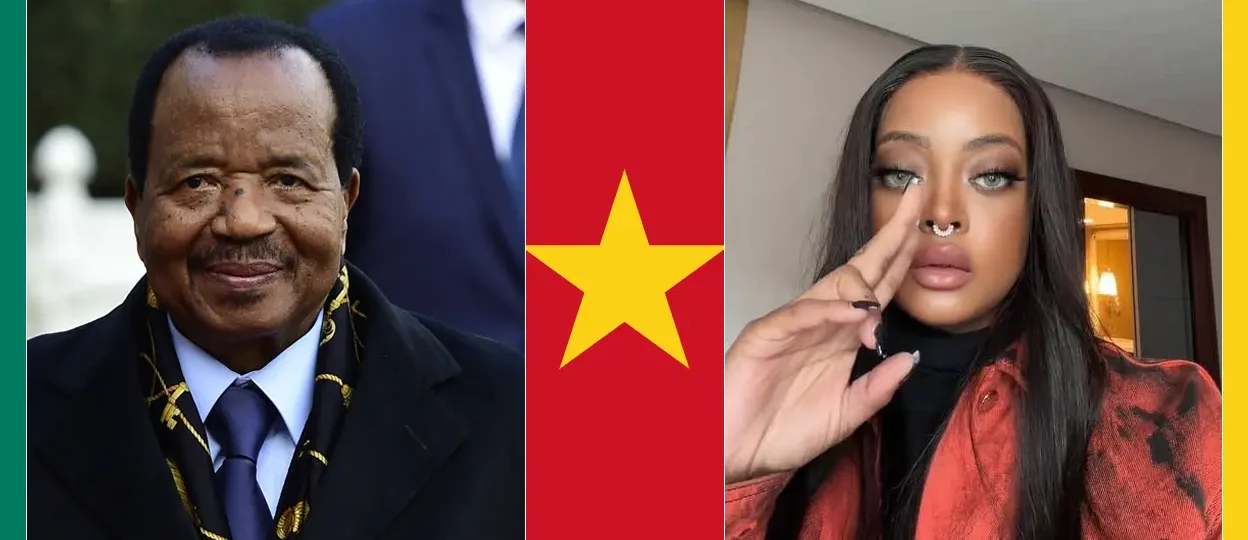

IN the annals of African political history, family loyalty has always been sacred – until now. In a stunning act of filial defiance that has sent shockwaves across Cameroon and beyond, Brenda Biya has done the unthinkable: she has publicly urged her fellow citizens not to vote for her own father, President Paul Biya, in the upcoming October 2025 election.
Under her provocative online persona “King Nasty,” Brenda delivered her political bombshell during a TikTok live session that would forever change Cameroon’s electoral landscape. Her words cut through decades of enforced silence like a knife through silk: her father’s 43-year reign had brought nothing but “persistent poverty, widespread unemployment, and economic stagnation” to their homeland.
This wasn’t just political commentary – it was a daughter’s public execution of her father’s legacy, broadcast to a nation hungry for change.
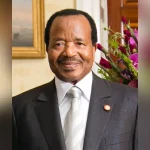
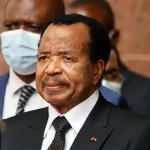
At 92 years old, Paul Biya stands as one of the world’s oldest and longest-serving leaders, a political dinosaur who has clung to power since 1982. His determination to seek an eighth term has become a symbol of everything wrong with African gerontocracy. But never in his wildest nightmares could he have imagined that his most potent opposition would emerge from his own dining table.
A Nation Divided by Truth
The reaction across Cameroon has been as explosive as Brenda’s initial statement. Social media platforms have become virtual battlegrounds where citizens wage war with hashtags and viral videos, each side claiming moral authority in this unprecedented family drama.
The Believers see Brenda as a modern-day Joan of Arc, a brave daughter who chose her country over family loyalty. They flood Instagram and Twitter with messages of support, sharing personal stories of hardship under Biya’s rule while hailing her courage to “speak truth to power.” For them, she represents hope – proof that even the ruling family recognises the failure of the regime.
Young Cameroonians, in particular, have embraced her rebellion. In a country where nearly 40% live below the poverty line despite abundant natural resources, her call for change resonates like thunder in their hearts. They see in her what they dare not say themselves: that their president has overstayed his welcome by several decades.
The Sceptics paint a different picture entirely. They point accusatory fingers at her privileged lifestyle abroad, questioning how someone living in luxury can truly understand the daily struggles of ordinary Cameroonians. “Easy to be revolutionary when you’re dining in five-star restaurants,” one social media critic scathingly commented.
The ruling party has predictably dismissed her statements as the bitter ramblings of an estranged family member, suggesting that personal grievances—including alleged death threats from her uncle, the president’s civil cabinet director—have clouded her judgment. They argue she’s exploiting her family drama for cheap political theatre.
But Brenda’s rebellion runs deeper than mere political awakening. During her viral TikTok session, she revealed the toxic family dynamics that have shaped her worldview—death threats from relatives, financial estrangement, and emotional isolation. Her apology to the Cameroonian people for her father’s “harm” carried the weight of someone who has lived with the burden of her family name.
This personal dimension has added unprecedented emotional intensity to the political debate. Cameroonians are witnessing something unprecedented: a first family imploding in real-time, with the debris potentially reshaping their nation’s future.
The Viral Revolution
The power of Brenda’s message lies not just in its content but in its delivery. By choosing TikTok – the platform of the youth – she bypassed traditional media gatekeepers and spoke directly to the demographic most frustrated with her father’s endless rule. Her message went viral within hours, spawning countless memes, reaction videos, and passionate debates that have dominated Cameroonian social media.
The hashtags related to her call briefly trended across African social media, turning a family dispute into a continental conversation about democracy, age limits for leaders, and the price of political dynasties.
The October Reckoning
As October approaches, Brenda’s rebellion has added a dramatic new chapter to what was already expected to be a contentious election. Opposition parties, long sceptical of electoral fairness under Biya’s watch, now have an unexpected ally—albeit one whose motivations remain hotly debated.
The 92-year-old president, who has weathered coups, economic crises, and international pressure, now faces perhaps his most personal challenge yet. How do you campaign against your own daughter’s public testimony? How do you dismiss the very person who knows your family’s secrets?
The Unprecedented Precedent
Never before in African political history has a sitting president’s child so publicly and dramatically opposed their parent’s leadership. Brenda Biya has shattered the sacred bond of family loyalty that has long protected African political dynasties from internal criticism.
Whether her rebellion will translate into electoral impact remains to be seen. But one thing is certain: she has given voice to what many Cameroonians have whispered in private for years—that 43 years is enough, that even families can disagree with power, and that sometimes the most devastating opposition comes from those who know you best.
In a continent where political families often rule like dynasties, Brenda Biya has proven that even the most entrenched power structures can crumble from within. Her TikTok revolution may not topple her father’s government, but it has forever changed the conversation about power, family, and the courage to speak truth—even when that truth comes at the ultimate personal cost.
The daughter has spoken. Now Cameroon must decide whether to listen.