THE International Criminal Court has sentenced Ali Muhammad Ali Abd-Al-Rahman, known as “Ali Kushayb,” to 20 years in prison for orchestrating mass killings, torture, and rape during the Darfur conflict two decades ago.
The sentencing follows Abd-Al-Rahman’s October conviction on 27 counts of crimes against humanity and war crimes committed between August 2003 and March 2004, when he commanded the Janjaweed militia in attacks on villages in Sudan’s Darfur region.
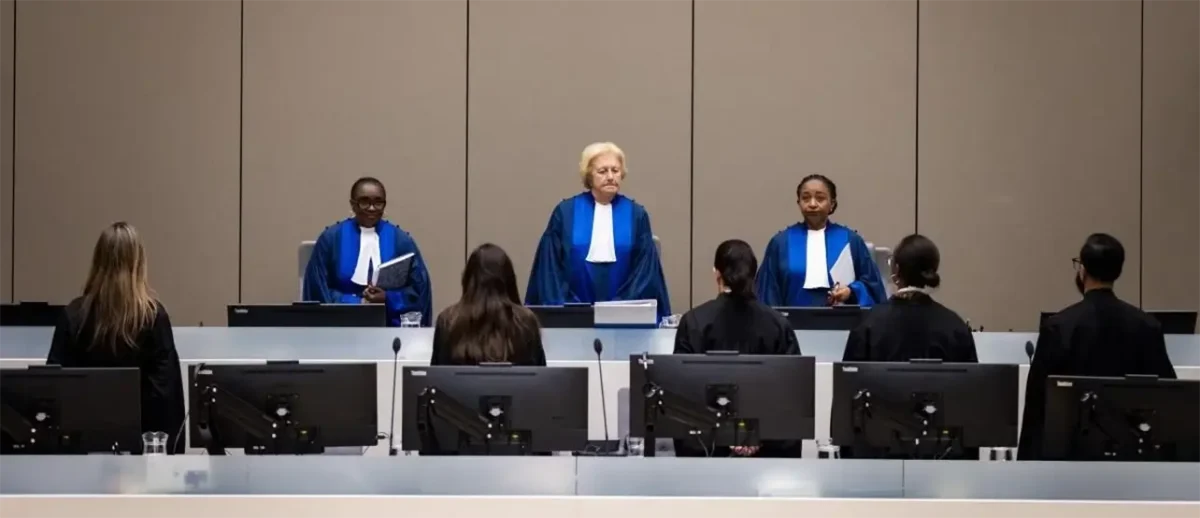
Trial Chamber I found Abd-Al-Rahman responsible for systematic attacks on the Fur population across multiple operations, including mass executions that killed at least 167 people in Mukjar and Deleig alone. The court heard testimony describing how Abd-Al-Rahman personally beat detained men with an axe, directly causing the deaths of two community leaders.
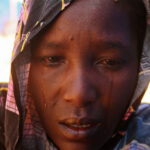
“The suffering we endured between 5 and 7 March 2004, days of torture that began at sunrise and continued until forced displacement, brutal beatings, and rape,” one victim stated in written submissions to the court.
Prosecutors had sought a life sentence, arguing the crimes were carried out “with unimaginable cruelty and for discriminatory motives.” They described Abd-Al-Rahman as “an enthusiastic, energetic, effective perpetrator” who took direct orders from Sudanese government ministers while commanding irregular Janjaweed forces.
The defence requested a finite sentence, citing Abd-Al-Rahman’s age—he is now 76—his subordinate rank, and his voluntary surrender to the court in June 2020. Defence lawyers argued he acted under duress and had limited authority within the command structure.
In determining the sentence, the chamber considered several mitigating factors, including Abd-Al-Rahman’s voluntary surrender, exemplary behaviour in detention, and advanced age. However, judges gave these factors “only limited weight,” given the gravity of the crimes.
The court rejected defence claims that Abd-Al-Rahman showed remorse, calling his expressions of empathy “calculated and insincere.” Judges noted he continues to deny responsibility despite his conviction.
Representatives for 1,592 participating victims emphasised their primary concern: that Abd-Al-Rahman never be allowed to return to Darfur, where the prospect of his release “causes immediate trauma and fear.”
“Justice for them is not an abstract concept,” the Common Legal Representative for Victims told the court. “It’s the recognition of a truth that was long denied to them.”
The sentence is less than the maximum 30 years or life imprisonment allowed under the Rome Statute. The chamber said it would have imposed a higher sentence without the mitigating circumstances.
Abd-Al-Rahman will receive credit for time served since his June 2020 surrender, reducing his effective sentence. Both prosecution and defence have 30 days to appeal.
The conviction marked the first ICC case addressing the Darfur conflict, which international observers have characterised as genocide. The court found the attacks were part of a deliberate campaign against the Fur population, not merely intertribal conflict.