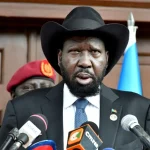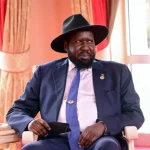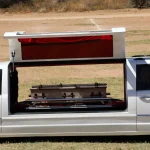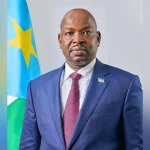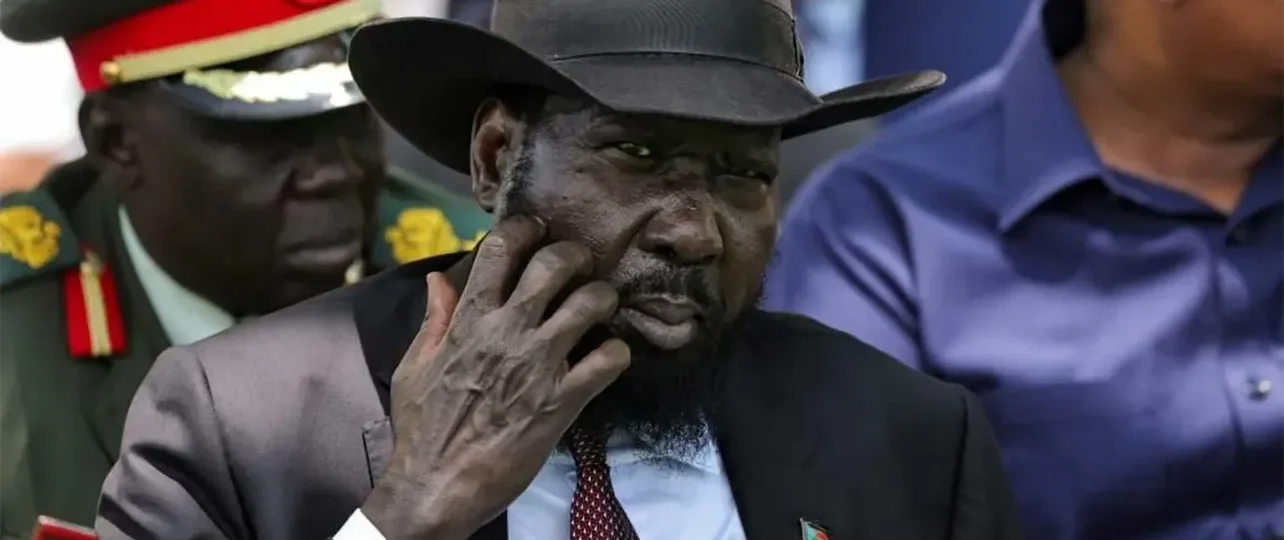

IN the grand tradition of South Sudanese political theatre, where elections are promised more often than desert rain and delivered about as frequently, President Salva Kiir Mayardit has outdone himself. On January 30, 2026, his office issued a crisp presidential decree appointing a distinguished leadership body to shepherd the nation toward its long-awaited elections this December. Among the luminaries tapped for this critical mission: Steward Soroba Budia, a member of the opposition United Democratic Party.
There was just one tiny, microscopic problem: Budia died five years ago.
Now, in a country that has been independent since 2011 yet has never managed to hold a single election, appointing a deceased politician to an election committee has a certain poetic symmetry. After all, why should the living monopolise these discussions when the dead have been waiting just as long?
The Family Strikes Back
The revelation came courtesy of eagle-eyed local media, who apparently possess better record-keeping systems than the presidential palace. Social media erupted with the kind of mockery that only a bureaucratic blunder of supernatural proportions can inspire. But while the internet was busy making memes, the Budia family was preparing something far more serious: a bill.
In a letter dated February 2, the family didn’t just demand an apology – they demanded cold, hard reparations. Not merely for administrative embarrassment, but for what they described as “a serious cultural and spiritual violation”. Their fury was righteous and specific: “In our culture, it is not acceptable to invoke or ‘awaken’ the soul and spirit of a deceased person without the knowledge, consent or involvement of the family.”
James Boboya Edimond, representing the family, explained it plainly: “Yes, it is compensation for the damage and the inflicted wounds that were beginning to heal, but have now been rubbed raw again” – wounds reopened not by grief, but by government incompetence. He described the blunder as transforming his father’s legacy into social media fodder, with people treating the appointment as “a joke or a ‘funny’ political mistake” rather than the serious matter it represented.
The family’s demands were comprehensive: immediate rectification of the order, formal public clarification, official recognition of their right to designate someone to carry forward Budia’s political legacy (something they noted had been done for other deceased leaders), and assurances this circus wouldn’t happen again. Oh, and money – compensation for “public damage” done to both family and community.
Heads Must Roll (The Living Ones)
The Presidency, sensing this was spiralling into something more than a mere “oopsie,” went into damage control overdrive. First came the official statement expressing regret and chalking it up to “an unfortunate oversight.” The office explained it had relied entirely on names submitted by stakeholders during consultations, and, well, apparently nobody thought to check if everyone was still breathing.
But that wasn’t enough. In a stunning display of accountability theatre, President Kiir sacked his press secretary, David Amour Major and the chief administrator in the Ministry of Presidential Affairs, Valentino Dhel Maluet. The official statement noted that Kiir was “pleased” to announce their dismissals and wished to express his “profound gratitude” for their service—nothing says “you’re fired for gross incompetence” quite like profound gratitude and pleasure.
The irony? Before getting the boot, Amour had issued a statement explaining that “a thorough verification was not done by one of the stakeholders”, essentially throwing unnamed parties under the bus while carefully avoiding personal responsibility. Speculation swirled that this very statement sealed his fate.
The Ghost in the Political Machine
Who exactly was this man important enough to summon from beyond the grave? Steward Soroba Budia had served as Commissioner for Greater Yei, as Minister of Information and Communication, was head of the United Democratic Party until his death, and was a signatory to South Sudan’s 2018 peace agreement. According to his son, he was “a loving person and a dedicated politician who wanted to resolve South Sudan’s problems”, someone who used his influence during difficult times to help incarcerated South Sudanese secure release and safe passage.
But here’s where the plot thickens: the family has no idea who’s been using Budia’s name in political circles. “We have no official information on who might be representing our dad in the shadows,” James Boboya told Eye Radio. “We aren’t in contact with the party that submitted the name. This is exactly why we are urging the Office of the President to meet with us. We need to know who is behind this.”
Someone, somewhere, has apparently been trading on a dead man’s political credentials, and his family wants answers.
Meanwhile, in the Land of the Living…
As for those December elections? Well, there are doubts as to whether the election will take place, as the country is still experiencing conflict. The UN says more than 180,000 people are believed to have been forced to flee their homes by recent fighting, with Jonglei state particularly aflame. Meanwhile, Vice-President Riek Machar is currently under house arrest and on trial for murder, treason and crime against humanity – charges he denies. He and Kiir are supposedly partners in a unity government, which gives “dysfunctional relationship” a whole new dimension.
So here we stand: a nation that has postponed democracy so many times it’s become a running joke, now literally appointing the departed to plan for it, and getting sued for spiritual damages in the process. The family wants their reparations, the fired officials want their dignity back, and somewhere, mysterious stakeholders are hoping nobody asks too many questions about why they nominated a man who’s been dead since 2021.
If South Sudan ever does hold elections, one thing is certain – they’ll need to check the voter rolls very, very carefully. After all, if dead men can serve on committees and generate compensation claims from beyond the grave, what’s to stop them from casting ballots?
As the saying goes, in South Sudan, the only thing more uncertain than tomorrow’s elections is whether your committee members will still be among the living – and whether their families will send you a bill if they’re not.