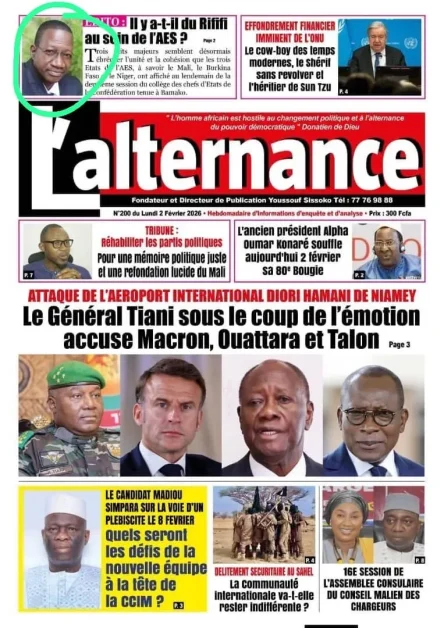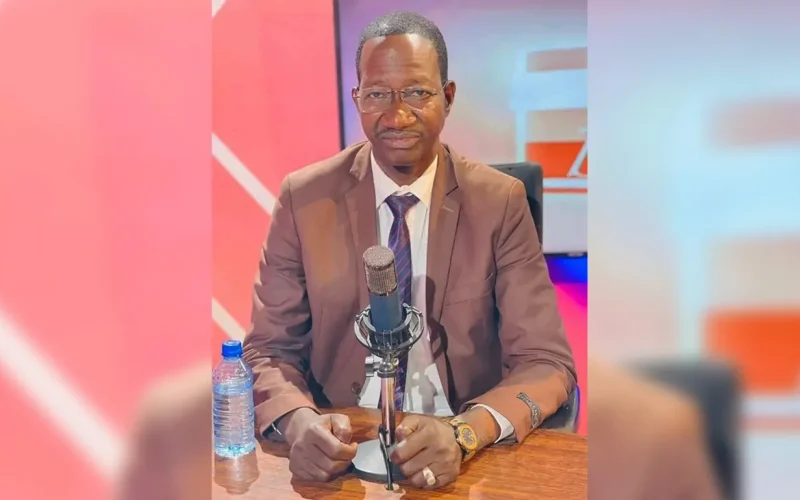
MALI National Cybercrime Unit has convicted Youssouf Sissoko, editor of the independent newspaper L’Alternance, in a ruling that has drawn immediate and sharp condemnation from the country’s private media sector and raised fresh alarms over the state of press freedom under the country’s military-led government.
The Association of Private Press Publishers (ASSEP) condemned the conviction in unequivocal terms, describing it as a worrying setback for freedom of expression and freedom of the press in Mali. In a statement signed by ASSEP President Boubacar Yalkoué, the organisation warned that the judicial decision sets a dangerous precedent likely to further weaken media outlets already grappling with severe operational and political pressures.
“Any attack on their independence constitutes a threat to democratic balance and the rule of law,” ASSEP said, framing the conviction as part of a broader erosion of institutional freedoms in the country.
Mali has been governed by a military junta since a coup in August 2020, with a second takeover in May 2021 consolidating the Transition’s authority. The transitional administration has faced repeated criticism from international press freedom organisations over the progressive shrinking of space for independent journalism, including the suspension of foreign broadcasters and the prosecution of journalists under broadly worded security and cybercrime legislation.
Monday’s ruling against Sissoko, brought before a specialised cybercrime tribunal, underscores growing concern that legal instruments designed to combat online crime are being deployed against journalists and media practitioners. The specific charges and sentence handed down to the L’Alternance editor were not immediately disclosed in ASSEP’s statement.
ASSEP called on relevant authorities to guarantee a legal and institutional environment conducive to the free and responsible practice of journalism, while urging its members to remain steadfast and united in the face of what it characterised as an escalating challenge to media independence.
“Now more than ever, unity and vigilance must guide the actions of the private press in order to preserve democratic gains and defend freedom of information,” the association stated.
The conviction comes at a moment of acute vulnerability for Mali’s independent press. The country ranked 114th out of 180 countries on the Reporters Without Borders World Press Freedom Index in 2025, with analysts noting a continuing downward trend. Journalists have increasingly reported self-censorship and intimidation in an environment where critical coverage of the transitional authorities carries mounting legal risk.
L’Alternance is among the handful of newspapers that have maintained critical editorial positions towards the government since the 2020 coup. Sissoko’s conviction is expected to have a chilling effect on newsrooms across Bamako, several of which have already curtailed coverage of sensitive political and security topics.
ASSEP reaffirmed its commitment to a free, independent, and responsible press and indicated it would continue to monitor developments in the case.