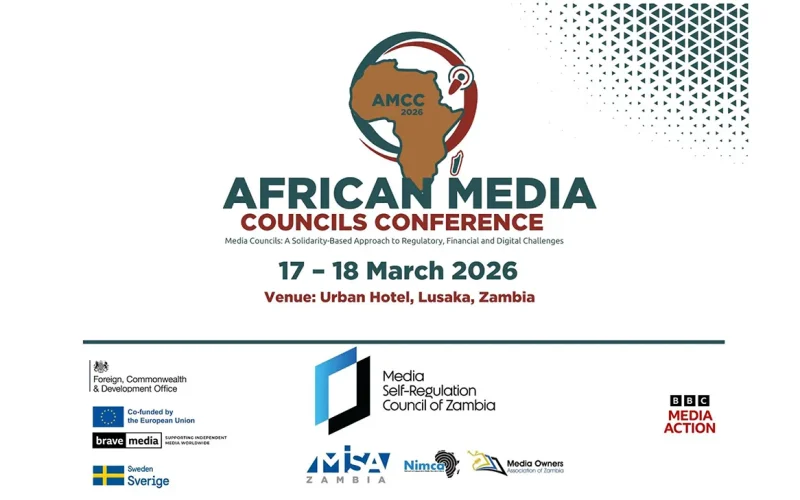
REPRESENTATIVES from African media councils, self-regulatory bodies, journalists, civil society, academia, and international partners adopted the Lusaka Declaration on 18 March 2026, calling for strengthened media self-regulation, platform accountability, and defences against disinformation and AI-driven risks.
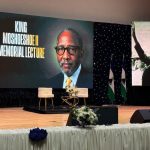
The two-day African Media Councils Conference, hosted by the Media Self-Regulation Council of Zambia (MSCZ) on 17-18 March, drew on foundational documents like the African Charter on Human and Peoples’ Rights, Windhoek+30, and the 2025 Arusha NIMCA Summit. Participants highlighted a shifting media landscape dominated by digital platforms, AI, and cross-border information flows, amid rising threats including political pressure, economic woes, journalist attacks, and disinformation.
The declaration reaffirms media self-regulation as the cornerstone of accountability in democracies, positioning councils as vital players in standard-setting, policy advocacy, and information integrity beyond traditional newsrooms. It recognises challenges like financial instability, AI’s dual-edged impact on trust, online harms to women journalists, and weak public awareness of accountability mechanisms.
Key commitments include:
- Promoting self-regulation through legal protections, diversified funding, and expanded mandates to tackle digital ecosystem issues.
- Positioning councils in national and continental information integrity efforts, including platform governance and data access.
- Developing African AI journalism guidelines, transparency standards for AI content, and newsroom training.
- Building sustainable funding via pooled resources and partnerships.
- Enhancing pan-African coordination through the Network of Independent Media Councils in Africa (NIMCA) and new regional bodies like the Southern Africa Press Councils (SAPC).
- Boosting public engagement with accessible complaints systems, media literacy, and transparent rulings.
- Advancing inclusion by tackling gender-based online violence and promoting diverse representation.
To implement, signatories pledged monitoring mechanisms, collaboration with the African Union, SADC, and ECOWAS, and partnerships with academia and donors – all while safeguarding independence.
The declaration, signed by 15 bodies including the Media Council of Kenya, Press Council of South Africa, and National Media Commission of Ghana, thanked Zambia’s government, MSCZ, Media Institute of Southern Africa (MISA) Zambia, and funders like BBC Media Action, FCDO, SIDA, and the EU.
Organisers stressed African-led solutions grounded in local realities to foster a resilient, rights-based media ecosystem supporting democracy and credible information.