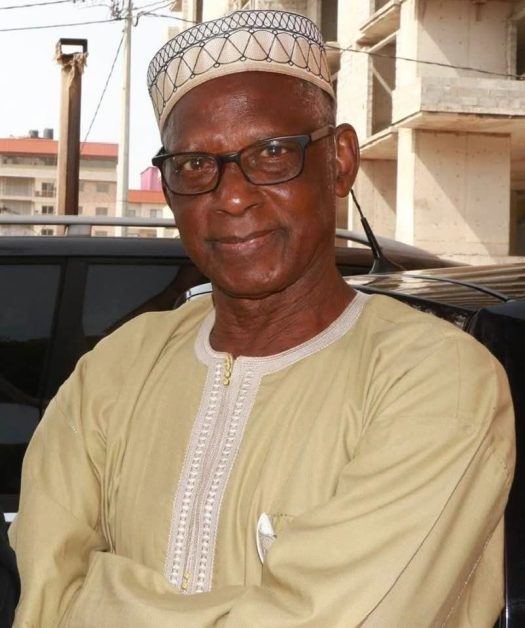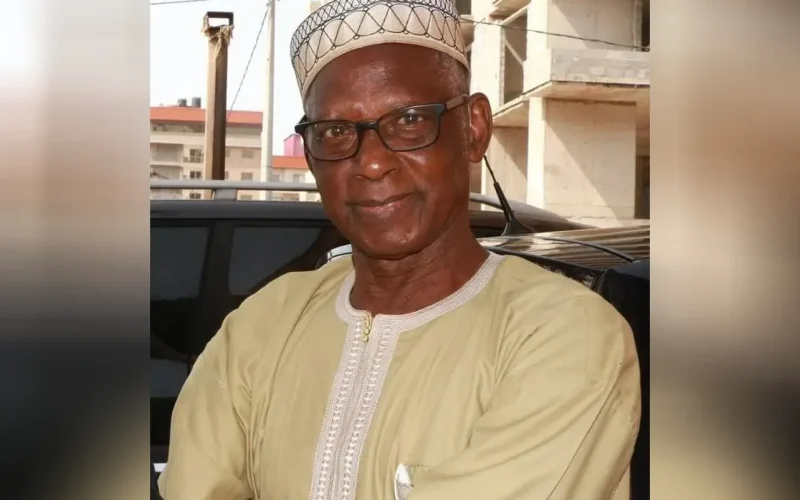
SOULEYMANE Diallo, doyen of Guinean journalism and founding pillar of the African Editors Forum (TAEF), has died – leaving an emptiness in African newsrooms and a legacy of principled, courageous journalism that reverberates across the continent.
For decades, Diallo steered Le Lynx, the Guinean satirical weekly he edited, into a position of moral authority and fearless inquiry. He combined the sharpness of a seasoned editor with a calm, almost reserved dignity that masked a fierce commitment to press freedom, democracy and the rigorous pursuit of truth. As colleagues and friends in TAEF and beyond have testified in recent hours, he was at once a builder of institutions and a mentor to generations of journalists.
“Souleymane was instrumental in mobilizing the West African membership and was a dedicated champion of press freedom, democracy, freedom of expression, and independent journalism across Africa,” wrote Churchill Otieno, president of TAEF, capturing the regional reach of Diallo’s work. For many in the forum, he was more than a member: he was a founding light whose steady voice helped shape TAEF’s mission and cohesion.
Tributes poured in on social platforms and in private messages, and they shared a common refrain – of a man defined by courage, humility and an unflinching belief in a sovereign Africa governed by truth. “He embodied courage, straightforwardness, modesty and kindness,” posted Cherfaoui Zine, recalling meetings at FILEP in Burkina Faso and the convivial camaraderie that often accompanied Diallo’s seriousness of purpose. “His unwavering commitment to democracy and pluralism will remain a compass for us all,” Zine added.
Diallo’s influence extended beyond editorial leadership. He was a builder: organiser of the West African editors’ forum, an advocate for collaboration across fragile media ecologies, and a host whose generosity was remembered by Ndey Tapha Sosseh, who wrote of Diallo’s “great generosity” in inviting colleagues to his Conakry home and of “his engagement in favour of freedom of expression, of the press, of democracy and of the integration of African media.” Those personal acts of hospitality mirrored his belief that journalism thrives on shared effort and mutual support.
Peers underscore how Diallo combined gravitas with warmth. “Engagement – Humility – Responsibility… he incarnated these three values, and with his smile in the corner managed debates with firmness and humour,” wrote Daniel L-D., recalling the veteran’s balanced presence in forums and editorial meetings. The image of the composed elder statesman – firm when required, affable otherwise – keeps recurring in messages from colleagues across the continent.
In recent weeks, the loss of other veteran editors has sharpened the sense of an era passing. “Nooooooo. Diallo, noooo not another TAEF veteran,” reacted Mathatha Tsedu, founding President of TAEF; many share the same stunned sorrow at the steady thinning of the generation that founded modern independent media in francophone and anglophone Africa. Elizabeth Kalambo M’ule captured a practical concern that many voiced: “The TAEF veterans and pillars are going and they are leaving with their institutional memories of the organisation. A book on TAEF ought to be written.”
Diallo’s journalism was never merely performative. He used editorial platforms to challenge power, to illuminate corruption, and to protect public space for dissent. Operating in Guinea – a country whose politics have long been volatile – required courage. Colleagues call him a “pioneer of press freedom” and “one of Guinea’s most respected media leaders.” His stewardship of Le Lynx combined satire’s bite with investigative resolve, and it made the paper a touchstone for readers seeking truthful, independent reporting.
Beyond national borders, Diallo’s conviction in African capacity and sovereignty resonated deeply. Zine described him as “a fervent believer in a sovereign Africa, capable of meeting his own challenges through the strength of his truth and intelligence.” That conviction framed both his intellectual posture and his practical activism: an insistence that Africa’s problems be named honestly and solved by Africans with institutions that could hold power to account.
The human side of these tributes is as striking as the professional. “Paix à son âme! Repos éternel au doyen!” wrote Ouadraogo in simple, pained words that echoed across languages and borders. Muslim colleagues invoked consolation: “Inna lillahi wa inna ilayhi raji’un. May Allah receive our brother and grant patience and comfort to his family,” Ndey Tapha Sosseh posted. Small acts of kindness, remembered dinners, mentorship, and the private smiles behind public courage — these are the fragments now forming Souleymane Diallo’s public memory.
For younger journalists, Diallo represented both possibility and duty. He showed that running an influential paper could survive political pressure and economic precarity and still serve public interest. “He was a foundation and the pillar of TAEF. A true hero of the struggle for media freedom in Africa and the world,” wrote Jovial Rantao, capturing how Diallo’s life mapped onto a wider, continent-wide struggle for open information and accountable governance.
As tributes circulated, colleagues called for memory and institutional continuity. “We have lost a valued colleague, principled advocate, and steadfast friend of African journalism,” Otieno wrote for TAEF. Others urged documentation: an institutional history of TAEF to preserve the lessons and experiences of its founders so future editors can draw upon them.
Souleymane Diallo’s passing leaves pressing questions for media institutions in Guinea and across Africa. Who will carry forward the moral courage to hold rulers to account? How will fragile outlets retain independence amid financial strain and political hostility? Diallo’s life offers partial answers: build durable networks; mentor younger colleagues; insist on truth even when the cost is high; and anchor journalism in service to democracy rather than to patronage.
The immediate need is for mourning and solidarity. Diallo’s family, the team at Le Lynx, and the wider community of Guinean and African journalists are in the first line of this loss. “My thoughts are with his family, the Lynx team and all the Guinean and African journalists,” Zine wrote, echoing a continent’s farewell.
In death, as in life, Souleymane Diallo’s legacy is not only stories he commissioned or pages he edited. It is an example: of how a journalist can be fierce and generous, principled and pragmatic, a tactician in campaigns for press freedom and a caretaker of younger lives. His work sharpened public debate and sustained public hope that truth still matters.
Rest in peace, Doyen Souleymane Diallo. May his commitments continue to guide the steps of editors and reporters who inherit the standards he lived by, and may Le Lynx and the institutions he helped build carry forward the courage he modeled.