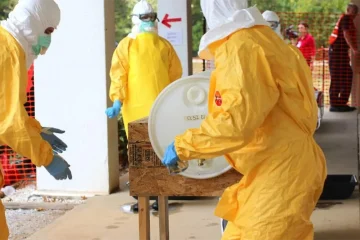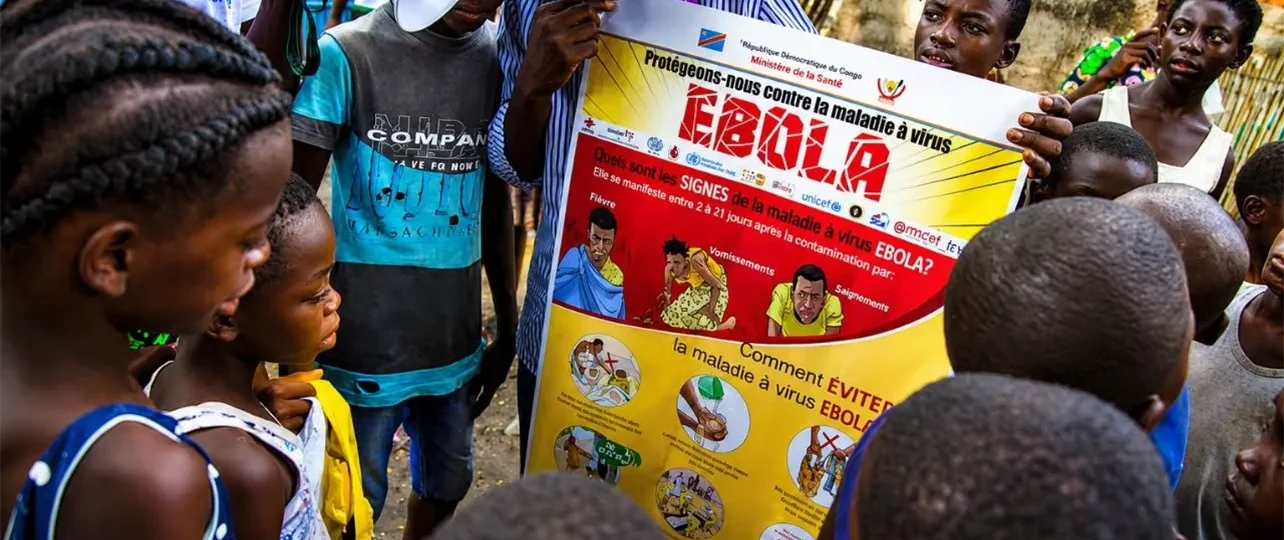

THE Ebola outbreak tearing through eastern Democratic Republic of Congo has crossed a grim new threshold this week, and with it has come an unusually blunt reckoning from the continent’s own health leadership: Africa cannot keep waiting on foreign donors to save it from diseases the rest of the world has little incentive to cure.
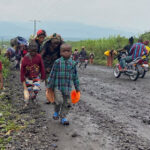
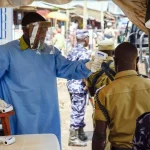
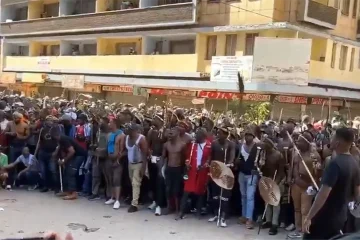
DRC’s health ministry confirmed on Saturday that the outbreak had grown to 956 confirmed cases and 247 deaths, up from 933 cases and 245 deaths the previous day. Ituri province, the epicentre, now accounts for more than 91 percent of confirmed infections, with the contact-tracing rate still trailing the 95 percent target set by health authorities. Behind those figures lies a darker story unfolding in Kigonze, a displacement camp of more than 15,000 people in Bunia, where at least 30 residents have died since the start of May – a toll camp officials describe as unprecedented against a usual monthly count of one to three deaths. “People didn’t just die like this before,” camp spokesperson Desire Grodya Bapi told Reuters, describing a community that resisted Ebola testing of the living and the dead until late last week, even as samples from several recent victims have since come back positive for the virus.
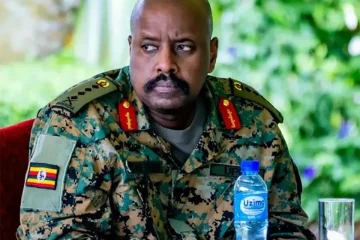
It is against this backdrop that Africa Centres for Disease Control and Prevention Director-General Dr Jean Kaseya delivered his verdict in Addis Ababa on Friday: the continent’s dependence on foreign partners for its health security has run its course, and African governments must now fund their own response – including the vaccine and treatment options that, more than a decade into recurring Ebola outbreaks, still do not exist for the Bundibugyo strain driving this crisis. Kaseya argued that wealthier nations would already have developed countermeasures had an outbreak of this scale struck their own populations, and called the moment a wake-up call for Africans. With the outbreak’s patient zero still unidentified and more than 35,000 contacts yet to be traced, he warned that the worst is still to come.
South Africa has moved to answer that call. President Cyril Ramaphosa, addressing a high-level meeting of African heads of state, the African Union, the World Health Organization and global partners on 16 June, announced that Pretoria was raising its pledge to the continental response to 13.5 million US dollars, describing the increase as a commitment to “solidarity and sovereignty for the people of this continent.” Ramaphosa told the gathering that the previous month’s summit had already mobilised close to 500 million dollars in pledges from governments, banks and philanthropic organisations, and pressed fellow leaders to convert outstanding commitments into cash, medical countermeasures or technical assistance rather than allow them to lapse. He is due to travel to Ituri Province and to Uganda this week to press the mobilisation drive further, Africa CDC said. A newly created African Epidemic Fund has so far drawn around 80 million dollars in pledges from African governments – dwarfed by the roughly 910 million dollars raised at this week’s broader international donor conference, a gap that illustrates precisely the imbalance Kaseya wants the continent to correct.
Ramaphosa’s address also pointed to the deeper structural failure behind that imbalance: the continent’s lack of its own vaccine and antiviral manufacturing capacity. He called for accelerated investment in local production, a strengthened African Medicines Agency and the operationalisation of the African Pooled Procurement Mechanism, insisting the response to Ebola must outlast the outbreak itself. That argument revives a precedent set more than a decade ago, when then African Union Commission Chairperson Nkosazana Dlamini-Zuma convened African captains of industry in Addis Ababa during the 2014 West Africa Ebola epidemic, persuading business leaders – among them Strive Masiyiwa, Patrice Motsepe and Tony Elumelu – to channel tens of millions of dollars into an AU Private Sector Ebola Fund alongside the deployment of African health workers. That African-led mobilisation became a template later credited with helping turn the tide of the West Africa epidemic. The question now facing Pretoria, Addis Ababa and the continent’s boardrooms is whether that kind of private capital can be summoned again – and built into something permanent, rather than revived only when the death toll forces the issue.
The financing gap is being widened, meanwhile, by retreating Western support elsewhere in the response chain. Aid groups operating in Congo’s Ebola-affected provinces say US-funded water, sanitation and hygiene programmes – essential to interrupting a virus spread through bodily fluids – have been sharply scaled back following funding cuts by the Trump administration, even as Washington maintains it has committed more than 375 million dollars in direct Ebola funding. Mercy Corps says the number of displaced people it can serve with clean water and toilets across the affected provinces has collapsed from over 125,000 in 2024 to fewer than 19,000 this year.
For Africa, the message converging out of Addis Ababa, Pretoria and Kinshasa this week is an uncomfortable one: solidarity pledges and emergency roundtables, however welcome, are no substitute for a continent that owns its own health security outright. Until African capital, African manufacturing and African political will close that gap for good, the continent will keep relying on the goodwill of others to fight diseases the rest of the world, as Kaseya put it, simply does not find urgent enough to cure.