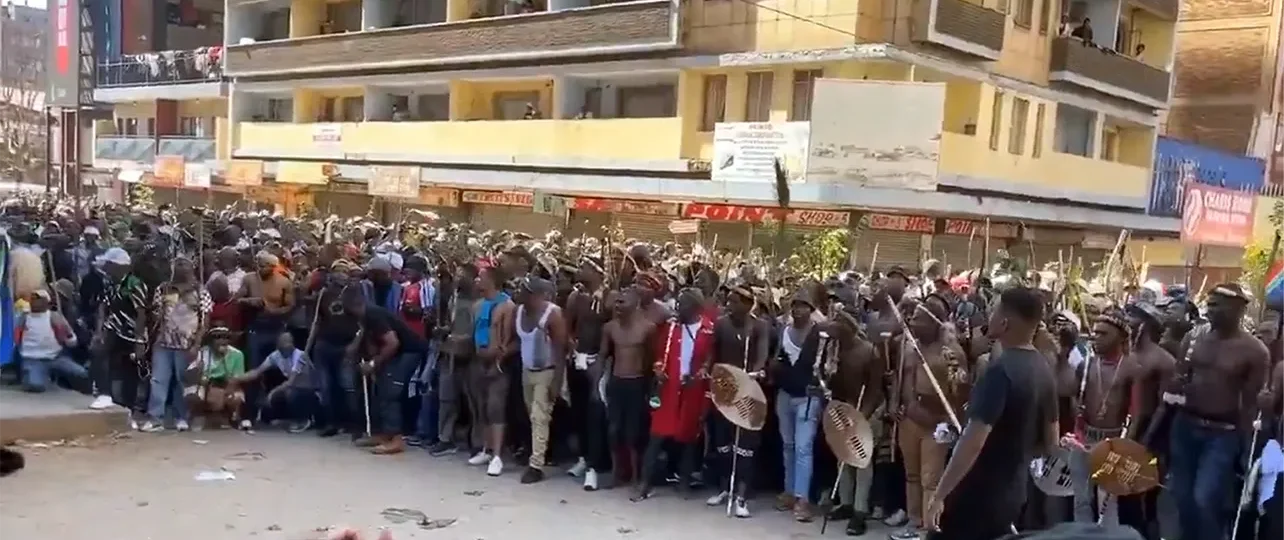

AS fresh anti‑immigrant marches erupt in Gauteng townships and towns across South Africa, Pretoria is confronting a mounting migration crisis that has strained domestic social cohesion and frayed relations with neighbouring states.
This week, thousands marched across South Africa- the latest in a string of protests that have swept through communities since early 2026 – demanding tougher action against undocumented foreigners. At the same time, the Department of Home Affairs and other agencies are preparing to deport about 7,000 Malawian nationals who have volunteered for repatriation after being identified as in the country without legal status.
Deputy President Paul Mashatile told Parliament on Thursday that the government is rolling out a “Comprehensive Approach for Migration Management” to tackle illegal entry, corruption in the immigration system and labour‑market abuse. The plan, he said, is anchored on five pillars: enforcing immigration and labour laws; preventing illegal entry; stamping out corruption; tightening immigration policy; and cooperating with neighbouring countries.
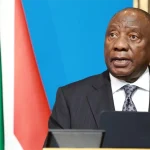
“The government recognises the escalating challenge,” Mashatile told MPs in response to a question from the opposition. He said President Cyril Ramaphosa has established an Inter‑Ministerial Committee on Migration to coordinate implementation. The committee – led by the Minister of Justice and Constitutional Development – will oversee actions the President outlined in his June 7 national address, Mashatile said.
New enforcement measures, political tension
Among measures already underway, Mashatile highlighted intelligence‑led operations through the Justice, Crime Prevention and Security (JCPS) Cluster, and proposed legislative changes. The Minister of Employment and Labour has introduced the Employment Services Amendment Bill in Parliament, which would allow the minister to set quotas for foreign workers in specific sectors and occupations.
Government messaging urges citizens to lodge grievances lawfully and reject vigilantism, while insisting that responses to migration must be constitutional. “Citizens are urged to express concerns lawfully, within the Constitution, and reject vigilantism,” the deputy president said.
But the response has done little to reassure communities that feel overwhelmed by perceived competition for jobs, housing and services. Protest organisers say marches are a last resort after months of limited action. Local leaders in affected municipalities described scenes of frustration and fear as protesters, often numbering in the thousands, shut down roads and confronted shop owners and landlords suspected of hiring or housing migrants.
Humanitarian and diplomatic strain
Civil‑society groups warn the demonstrations risk spiralling into xenophobic violence similar to the deadly outbreaks of 2008 and 2015. Aid organisations say the needs of migrants are growing: undocumented people face exploitation, lack of shelter and limited access to health care, even as repatriation logistics move forward for those from Malawi who have volunteered for deportation.
Regional diplomacy is also under strain. Sources in the Department of International Relations confirm that Malawi’s government has engaged with Pretoria over the repatriation programme. Several African governments have expressed concern about the treatment of their citizens in South Africa in recent years, and incidents such as mass marches and high‑profile arrests have repeatedly tested diplomatic ties.
Operational challenges and corruption
South Africa’s migration system has long been criticised for under‑resourcing, bureaucratic backlogs and corruption. Mashatile acknowledged that stamping out corruption in immigration services is central to the new plan, and that closing policy loopholes is crucial to prevent repeat flows of undocumented migrants and abusive labour practices.
But analysts caution that laws and quotas will not solve the problem on their own. “You need functioning border management, credible identity and work‑permit systems, well‑resourced social services and regional cooperation,” said a Johannesburg‑based migration specialist who asked not to be named. “Crackdowns without alternatives will push people into more dangerous routes and informal labour markets.”
Deportations and volunteers
Government figures show around 7,000 Malawian nationals have come forward to be repatriated. Officials say voluntary repatriation reduces the need for forced removals and helps avoid the human‑rights and logistical complications of mass deportations. Still, activists say many vulnerable migrants feel compelled to volunteer because of harassment, lack of shelter or economic desperation.
Legal groups are watching the deportation programme closely to ensure due process. South Africa is bound by domestic constitutional protections and international human‑rights obligations, including non‑refoulement for asylum seekers. Lawyers have called for transparent screening to distinguish between economic migrants and people who may qualify for refugee protection.
What comes next
Parliament will now consider the Employment Services Amendment Bill and other measures proposed by the Inter‑Ministerial Committee. The success of the government’s five‑point plan will depend on implementation capacity, anti‑corruption measures and cooperation with regional partners, analysts say.
For now, the converging pressures – mass community protests, the logistics of repatriating thousands, political promises of tougher enforcement, and fragile diplomatic relations – suggest South Africa faces a prolonged, politically volatile migration challenge rather than a quick fix.
As Mashatile concluded in his parliamentary response, “Government remains committed to lawful, constitutional processes in addressing migration challenges.” Whether that commitment will be enough to cool tensions in the townships and mend ties with neighbours remains the pressing test for the coalition in Pretoria and the country at large.