Somewhere in a FIFA marketing meeting months ago, someone probably penned a tidy little narrative for this World Cup: the usual European heavyweights, a South American flourish, and Africa cast as the plucky extras who show up, smile for the group photo, and go home before the real drama starts.
Africa did not get the memo. Or it got the memo, read it, folded it into a paper aeroplane, and launched it straight back at Zurich.
Nine African sides made it into the knockout stage of this expanded tournament, and even as the continent’s survivors thin out by the day, the story of this World Cup is not that Africa arrived – it’s that Africa refused to leave quietly.
Morocco: still the continent’s designated chaos agents
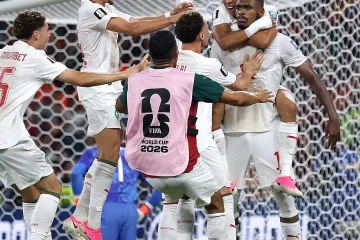
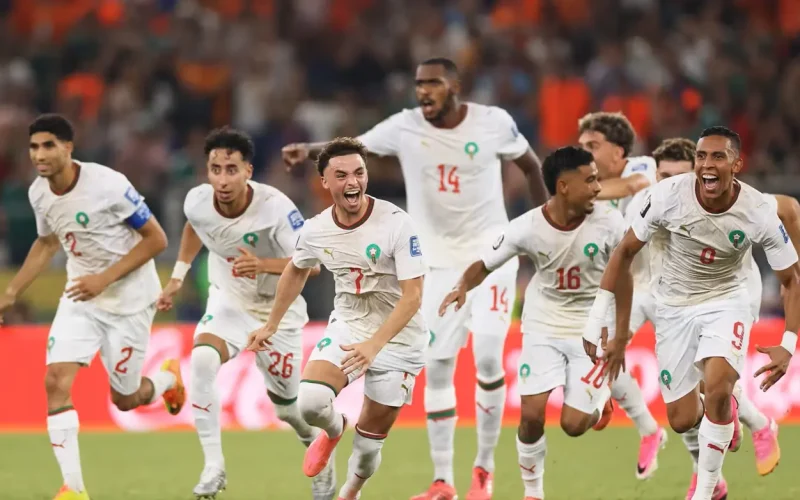
Let’s start with the Atlas Lions, because nobody does late drama quite like Morocco. Fresh off making the 2022 semi-finals a permanent fixture of continental bragging rights, Mohamed Ouahbi’s side spent 120 minutes in Monterrey against the Netherlands doing everything the hard way – going behind to Cody Gakpo, staring elimination in the face, then summoning a stoppage-time equaliser from Issa Diop with the composure of a team that has read this script before and knows how it ends.
What followed was a penalty shootout that Yassine Bounou treated like a personal masterclass, saving the decisive Dutch kick to send Morocco through 3-2 on penalties after a 1-1 draw. Achraf Hakimi struck the post earlier in the shootout, because even Morocco’s captain understands that nothing in this campaign is allowed to be simple. The Atlas Lions now face Canada in the round of 16, presumably determined to make their hosts regret ever building all those stadiums.
Algeria: Mahrez finally gets his invitation to the party
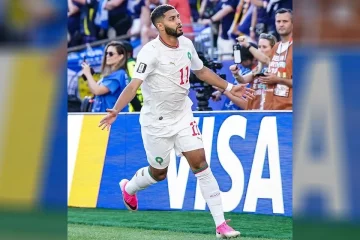
If Morocco specialise in late theatre, Algeria specialise in emotional whiplash. Riyad Mahrez, 35 years old and having watched two previous World Cups go by from his living room, decided enough was enough against Austria in Kansas City. Two goals, an assist, and a Desert Foxes side that fell behind twice and simply refused to accept it — Algeria eventually shared a breathless 3-3 draw that was enough to sneak them through as one of the best third-placed teams.
Mahrez described it as among the best nights of his career, and it’s hard to argue. This is a player who has already collected a Premier League medal, a Champions League trophy and an Africa Cup of Nations title, and still treated a World Cup goal like it was his first ever. Algeria now face Switzerland in the round of 32, with head coach Vladimir Petkovic insisting his side are building momentum step by step — which is one way of describing a team that seems constitutionally incapable of winning without first terrifying its own supporters.
Egypt: history achieved, now assembled from spare parts
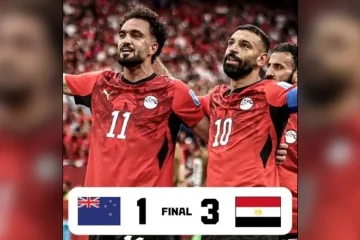
Spare a thought for the Pharaohs, who reached the World Cup knockout stage for the first time in their history courtesy of an unbeaten group campaign — and then immediately turned their post-match celebrations into a hospital waiting room. Mohamed Salah asked to be substituted against Iran with a hamstring strain. Ahmed Fattouh tore his hamstring and is unlikely to recover in time. Mohamed Abdelmonem, playing his first World Cup match after recovering from a serious knee injury, limped off in tears with ankle bruising.
Egypt now face Australia in Dallas with their talisman doubtful, their captain’s understudy also compromised, and a defence being rebuilt on the fly. Hossam Hassan’s medical and coaching staff face the unenviable task of deciding exactly how much of Salah they can risk in a match that could define this Egyptian generation. History has already been made. Whether it gets extended may come down to a hamstring scan.
Côte d’Ivoire: gone, but not remotely forgotten
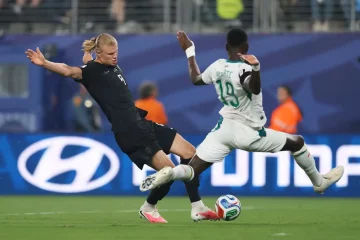
And then there is Côte d’Ivoire, the side that arrived at this tournament with three previous group-stage exits to its name and left it with something considerably better: a first-ever appearance in the World Cup knockout rounds, and a performance against Norway that suggested the next generation of Elephants is going to be a serious problem for someone, sometime soon.
Amad Diallo, introduced from the bench, produced a stunning equaliser to briefly threaten a genuine upset before Norway’s superior firepower told in a 2-1 win. Diallo, 23 and already carrying the weight of a new Ivorian generation on his shoulders, reflected that even in defeat, breaking a barrier that Didier Drogba and Yaya Touré’s golden generation never managed still felt like a win. Côte d’Ivoire go home. Their record does not.
Add it up and the pattern is unmistakable. This is not a World Cup where African teams are making up the numbers to satisfy an expanded bracket. Morocco are genuine contenders. Algeria have a captain playing like he has unfinished business with the entire tournament. Egypt made history despite themselves. Côte d’Ivoire’s exit reads less like a full stop and more like a comma.
FIFA’s marketing department may have wanted a tidy narrative. Africa gave them a soap opera instead — and, going by current form, there are several more episodes still to come.