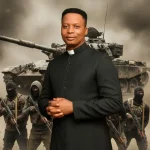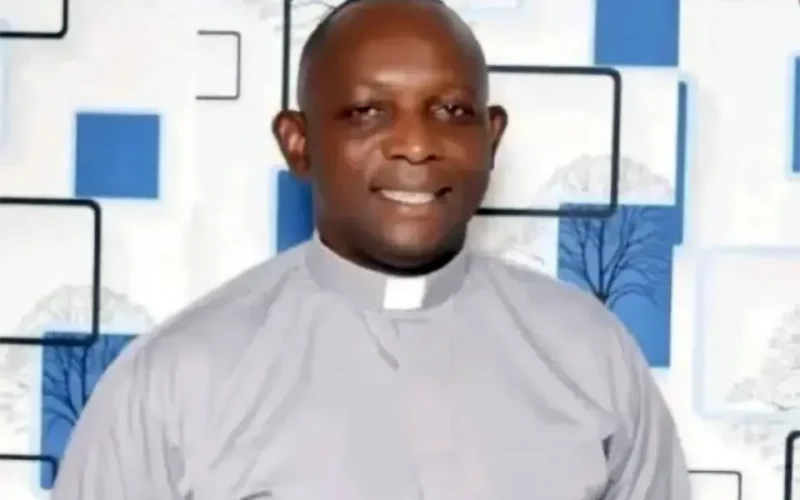
IN the shadows of dusk on March 4, as the faithful prepared for the solemn beginning of Lent, violence once again pierced the heart of Nigeria’s Christian community. Father Sylvester Okechukwu, a 45-year-old priest known for his unwavering dedication to his parishioners, was forcibly taken from his residence in Kaura, Kaduna State, at approximately 9:15 in the evening.
By the dawn of Ash Wednesday, while churches across the world marked foreheads with the sign of mortality, Father Okechukwu had already completed his earthly journey. His abductors, whose identities and motives remain shrouded in mystery, took the life of this beloved priest in the early hours of March 5.
“Father Sylvester was a dedicated servant of God who worked selflessly in the vineyard of the Lord, spreading the message of peace, love, and hope,” mourned Father Jacob Shanet, chancellor of the Kafanchan Diocese, his voice heavy with grief as he addressed the devastated community.
The Christian Association of Nigeria (CAN) did not mince words in its condemnation: “This heinous crime further highlights the alarming insecurity in our nation, particularly in Northern Nigeria, where innocent citizens, including clergy members, are repeatedly targeted, abducted, and killed with impunity.”
The murder of Father Okechukwu is not an isolated incident but rather another bead in a long rosary of violence against Christians in northern Nigeria. Since the beginning of 2024 alone, thirteen priests have been kidnapped, with Father Okechukwu becoming the first to be murdered this year. The region has been plagued by insecurity since 2009 when the Boko Haram insurgency began its campaign to establish an Islamic state.
On the very day of Father Okechukwu’s abduction, another desperate prayer appeal went out from the Diocese of Auchi for the release of yet another priest and seminarian taken from their parish rectory. They remain missing, along with several other clergy abducted in February, including Father Moses Gyang Jah and his niece.
The United States Embassy in Nigeria called the killing “a horrific act of violence” and demanded that Nigerian authorities bring those responsible to justice – echoing the frustration of many who see these repeated attacks as evidence of the government’s failure to protect religious leaders and their communities.
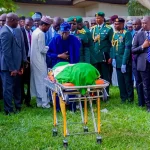
As the sun sets on Kafanchan Diocese, parishioners gather in hushed circles, clutching rosary beads and offering Masses for the soul of their fallen shepherd. Father Shanet has called for calm among the youth and community members, urging them not to “take the law into their hands” despite their righteous anger.
“His untimely death has left an indelible void within our diocesan family,” said Father Shanet, capturing the sentiment of a community left to wonder who among them might be next.
In Kaduna’s blood-soaked soil, approximately 200 kilometres from the state capital, another cross now stands – a testament to Father Okechukwu’s ultimate sacrifice and a stark reminder of the cost of faith in a region where simply wearing a clerical collar can mark one for death.