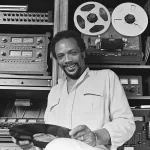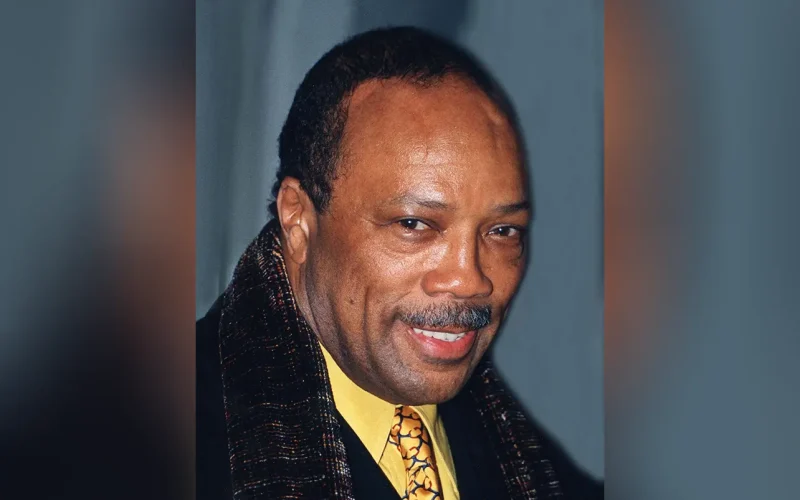
ACROSS the African continent today, the sounds of grief mingle with the immortal rhythms that Quincy Jones helped bring to the world stage. The legendary producer and humanitarian, who died at the age of 91, leaves behind a legacy that resonates deeply throughout Africa, where his influence extended far beyond music into the very heart of the struggle for freedom and dignity.
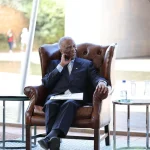
From Cape Town to Cairo, musicians, activists, and ordinary citizens are sharing memories of a man who used his extraordinary talents to amplify African voices during some of the continent’s darkest hours. In South Africa, where Jones played a pivotal role in the cultural boycott of the apartheid regime, social media is awash with powerful images of his meetings with Nelson Mandela in Johannesburg, testament to a friendship forged in the pursuit of justice.
“He was more than just a producer – he was a bridge between continents, between struggles, between peoples,” says a post from the Nelson Mandela Foundation, accompanied by historic photographs of Jones and Mandela sharing moments of both serious discussion and joyful laughter.
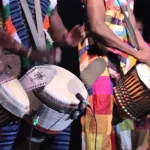
Jones’s collaboration with African musical giants reads like a who’s who of the continent’s cultural heritage. His work with Hugh Masekela, the late South African jazz legend, helped bring the sounds of resistance to global audiences. His partnerships with Miriam Makeba, Jonas Gwangwa, and Letta Mbulu amplified voices that the apartheid regime had tried to silence. Through his production genius, he helped transform their music from acts of protest into anthems of hope that resonated worldwide.
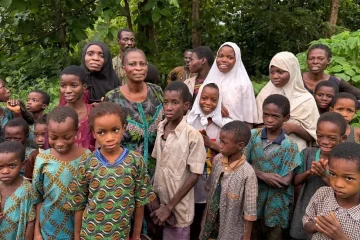
The impact of his humanitarian work in Africa matched his musical contributions. In 1985, as Ethiopia faced a devastating famine, Jones orchestrated “We Are the World,” bringing together global superstars to raise millions for African relief efforts. This initiative demonstrated his unique ability to harness the power of music for social change.
Today, as news of his passing spreads across the continent, radio stations from Senegal to Zimbabwe are playing his collaborations with African artists, while cultural institutions are paying tribute to a man who understood that music could be a weapon against injustice and a tool for healing.
“Quincy Jones showed us that art is not just entertainment – it is a force for change,” posted one South African musician, sharing a vintage photo of Jones working in a Johannesburg studio with local artists. “He didn’t just produce music; he produced hope, he produced change, he produced history.”
As the sun sets across Africa tonight, the continent mourns not just a musical genius, but a true friend who stood with its people in their struggles, celebrated their triumphs, and helped tell their stories to the world. His legacy lives on in the countless African musicians he mentored, the causes he championed, and the bridges he built between peoples and cultures.
In the words of Hugh Masekela, spoken years ago but echoing powerfully today: “Quincy didn’t just arrange music – he arranged possibilities.” Today, Africa says goodbye to a man who helped arrange the soundtrack of its liberation.