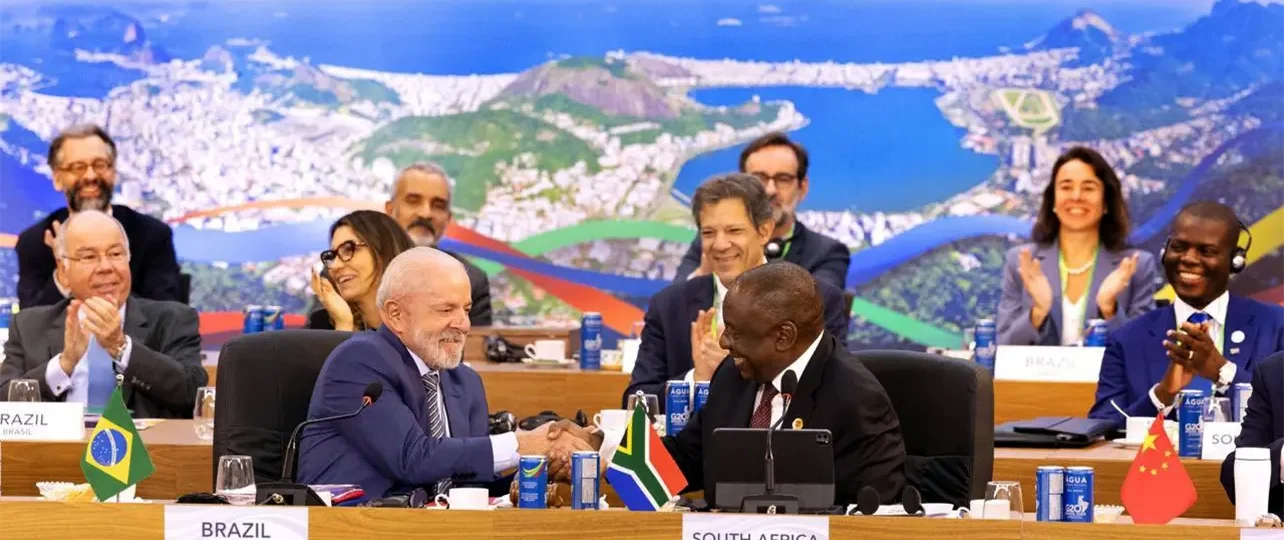

SOUTH Africa steps onto the global stage on December 1, becoming the first African nation to lead the G20, a pivotal moment that promises to amplify the continent’s development priorities and challenge long-standing global economic disparities.
Taking over from Brazil, South Africa’s presidency is more than a symbolic milestone. It represents a critical opportunity to reshape global economic discourse through three key priorities: inclusive economic growth, food security, and artificial intelligence for sustainable development.
President Cyril Ramaphosa has been clear about the significance of this moment. “South Africa’s Presidency will be the first time an African country has presided over the G20,” he has stated. “We will use this moment to bring the development priorities of the African continent and the Global South more firmly onto the agenda of the G20.”
The country arrives at the presidency during a time of unprecedented global challenges. Inequality, crippling debt, and uneven development remain significant barriers for developing nations. South Africa aims to tackle these issues head-on, emphasizing solidarity and sustainability.
“We will work to ensure that no one is left behind,” Ramaphosa emphasized, highlighting the nation’s commitment to addressing global disparities.
South Africa’s presidency comes with a strategic agenda:
– Pushing for more inclusive economic growth
– Addressing food security challenges
– Exploring artificial intelligence’s potential for sustainable development
– Strengthening global solidarity, particularly in conflict zones like Gaza, Sudan, and Ukraine
The timing is particularly significant. Just a year after the African Union became a permanent G20 member, South Africa can leverage this platform to amplify African voices in global economic discussions.
However, the path is not without obstacles. Increasing global polarization, trade tensions, and geopolitical conflicts could complicate South Africa’s diplomatic efforts. The upcoming U.S. presidency under Donald Trump, known for protectionist policies, adds another layer of complexity.
The G20 represents 85% of the global economy, 75% of world trade, and 67% of the global population. South Africa’s leadership offers a unique opportunity to redirect focus towards more equitable global economic strategies.
As approximately 130 G20 meetings prepare to take place across South Africa this year, the world watches with anticipation. Can this African nation bridge global divides and chart a more inclusive economic path?
The answer lies in the coming months, as South Africa takes its seat at the helm of one of the world’s most influential economic forums.