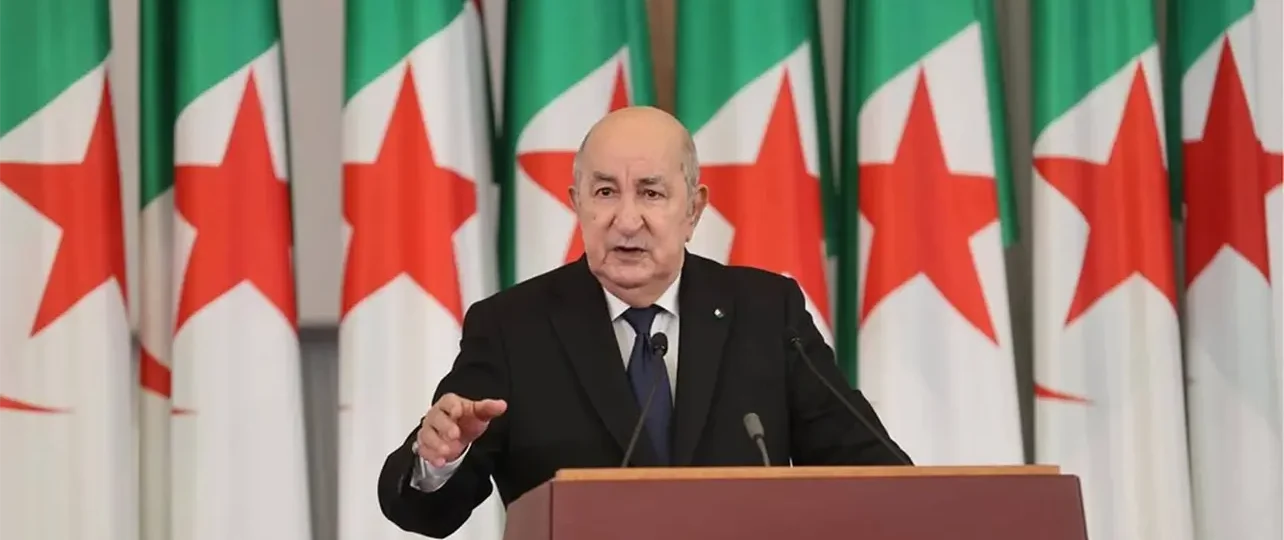

ALGERIA enters a pivotal phase of authoritarian consolidation as President Abdelmadjid Tebboune’s abrupt dismissal of Prime Minister Nadir Larbaoui signals an intensifying crackdown on potential rivals within his own government, setting the stage for a decisive period that could reshape the country’s political trajectory.
The sudden removal of Larbaoui and installation of Industry Minister Sifi Ghrieb as acting premier represents far more than routine reshuffling – it marks Tebboune’s most aggressive move yet to eliminate dissenting voices and concentrate power as Algeria confronts mounting economic pressures and regional instability that threaten the regime’s survival.
Strategic Realignment
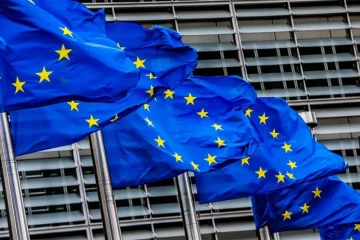
The appointment of Ghrieb, who retains his industry portfolio while assuming the premier role, signals a shift toward economic priorities in a country heavily dependent on hydrocarbon revenues. Algeria serves as a crucial gas supplier to European nations, making economic stability paramount amid regional uncertainties and domestic reform pressures.
The timing of the reshuffle appears calculated to reinforce regime cohesion as Tebboune navigates mounting socioeconomic challenges, including inflation, budget deficits, and growing public demands for improved governance. Political analysts suggest the move reflects broader efforts to sideline figures linked to previous administrations and consolidate control within a trusted inner circle.
Implications for Governance
The leadership change underscores Algeria’s centralised political style, where executive decisions remain tightly controlled and often lack transparency. Tebboune’s administration has prioritised maintaining political order through social spending and controlled governance, seeking to prevent the kind of unrest that has historically challenged Algerian leadership.
The president’s strategy appears focused on balancing stability with the need for economic reform, particularly in diversifying away from hydrocarbon dependence while managing public expectations for improved living standards.
Regional Context
The political realignment comes as Algeria faces complex regional dynamics, including ongoing tensions with Morocco and the need to maintain strategic energy partnerships with European countries increasingly focused on energy security following global supply disruptions.
Tebboune’s consolidation efforts also reflect the military’s continued influential role in Algerian politics, with the president maintaining close ties to military leadership as a cornerstone of regime stability.
Challenges Ahead
The new government structure will face immediate tests in managing economic pressures and public expectations. Critics have expressed scepticism about the regime’s commitment to meaningful reform, viewing such changes as cosmetic adjustments rather than substantive political liberalisation.
The government’s ability to deliver on economic promises while maintaining social spending will be crucial, as public tolerance for austerity remains low in a country with a history of protest movements.
The appointment of Ghrieb as acting prime minister represents continuity in industrial policy while potentially signalling renewed focus on economic development as Tebboune seeks to cement his second-term agenda and maintain Algeria’s position as a key regional energy player.