SEXUAL violence has surged across eastern Democratic Republic of Congo as armed groups systematically deploy rape as a weapon of war, while abrupt cuts to U.S. funding have left thousands of survivors without access to life-saving medical care, according to a report released Sunday.
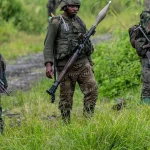
The Rwanda-backed M23 rebel group, the Congolese military, and at least five other armed factions have committed widespread sexual violence against women and girls in North Kivu, South Kivu, and Ituri provinces, Human Rights Watch and Congolese women’s rights organization SOFEPADI documented. The United Nations recorded over 80,000 rape cases in the region between January and September 2025—a 32 percent increase from the same period in 2024.
The crisis has deepened as the Trump administration’s sudden halt to international aid in early 2025 cut off emergency healthcare for sexual violence survivors. Clinics across eastern Congo ran out of post-exposure prophylactic kits—which must be administered within 72 hours to prevent HIV and pregnancy—leaving survivors with no options.
“Armed groups and military forces are using sexual violence as a weapon of war across eastern Congo,” said Ida Sawyer, crisis and conflict director at Human Rights Watch. “Survivors of these horrific crimes experience a climate of impunity that protects those responsible and a healthcare system that has been deprived of the means to support them.”
Human Rights Watch interviewed 27 survivors in November, documenting cases of rape used to terrorise ethnic groups during village attacks, sexual slavery in armed group camps, and assaults on women working in fields. The accounts reveal a systematic pattern of violence met with virtually no accountability.
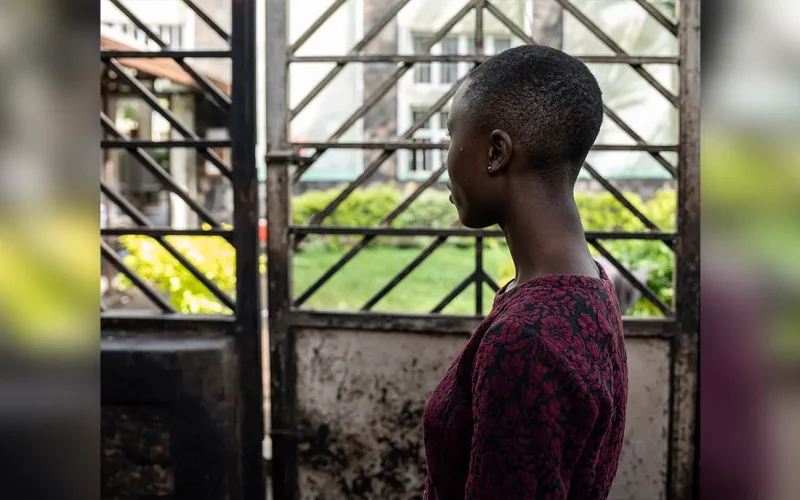
A 17-year-old girl in Ituri province was beaten and raped by four Congolese soldiers while walking to work in fields near her village. She reached a health centre the same day, but it had no prevention kits. Two months later, after saving money to travel 40 kilometres to a clinic in the provincial capital, she learned she was pregnant and HIV-positive.
In North Kivu, M23 fighters abducted a 42-year-old woman from her home, took her to their camp, and raped her. She reached a hospital within the critical 72-hour window, but it too had no supplies. Fleeing to Uganda a month later with her seven children, she was diagnosed with HIV and now struggles to obtain antiretroviral medication in a refugee camp.
The U.S. Agency for International Development had funded IMA World Health to supply prevention kits to 80 percent of health centres across the three affected provinces. The organisation had ordered 116,000 kits in early 2025 before the funding was withdrawn. From March to September, eastern Congo faced a near-total shortage. By September, only 895 complete kits remained available for all of North Kivu province, where hundreds of new cases occur weekly.
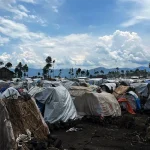
The M23’s control over much of North and South Kivu has compounded the crisis, with major airports closed since early 2025 and severe restrictions on humanitarian access. The group has occupied areas where Congolese courts no longer function, making justice impossible for survivors.
Sexual violence occurs across multiple contexts in the conflict. M23 and Allied Democratic Forces fighters have held women and girls for extended periods in camps, forcing them into sexual slavery. The ADF abducts women and girls from villages, forcing them to “marry” fighters.
One survivor, identified as Liliane, was held captive by the ADF from ages 14 to 18. After fighters killed her brother-in-law and abducted her, they forced her to marry a 19-year-old fighter who threatened to kill her for not becoming pregnant and cut her chest with a knife as punishment. She escaped in May 2024 but still suffers serious health problems over a year later.
The armed group CODECO has targeted the Hema ethnic group with sexual violence during village attacks. A 32-year-old woman said fighters ambushed her group in a field, killed six men, then beat and raped all six women while shouting ethnic slurs.
Congolese military personnel—ostensibly deployed to protect civilians—are among the most frequent perpetrators. Eight survivors interviewed identified their attackers as soldiers by their uniforms or language.
Beyond the immediate medical crisis, survivors face devastating long-term consequences. Most have not returned to farming, their primary livelihood, due to fear of being attacked again. Psychological support and vocational training programs remain severely limited and often inaccessible to those in remote or insecure areas.
None of the 27 survivors interviewed had filed official complaints. Many believed prosecution was impossible because they could not identify their attackers. Others cited a lack of knowledge about the legal system or faith in it. Even when cases reach court, survivors face costs up to $1,000 for lawyers’ fees, medical reports, and administrative expenses—prohibitive sums in one of the world’s poorest countries.
The Congolese government has established a reparations fund that provides payments to over 1,000 victims in three provinces, but the program faces corruption allegations.
Human Rights Watch called on the U.S. government to urgently resume funding and for the Congolese military to enforce discipline and prevent sexual violence. The organisation urged international partners to support accountability efforts, including the International Criminal Court’s ongoing investigation in Congo.
“The Congolese government should continue its efforts to end sexual violence and fully implement its transitional justice program,” said Sandrine Lusamba, national coordinator at SOFEPADI. “Regional cooperation on justice is also important, to make it possible to credibly investigate allegations, establish the responsibility of all parties, and genuinely prosecute those responsible.”