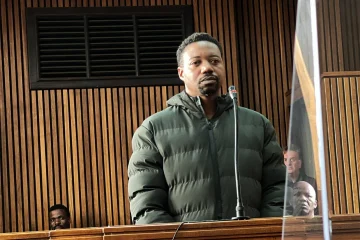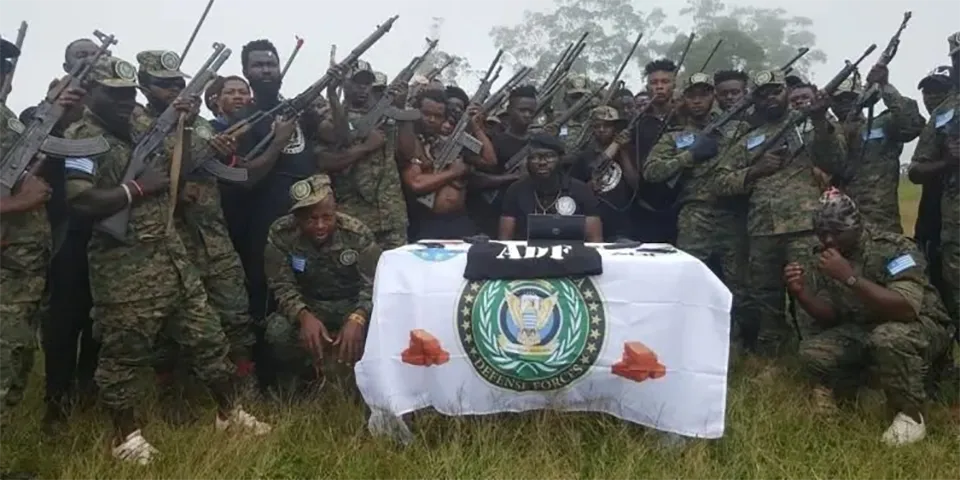

BELGIAN federal prosecutors have detained three suspected leaders of the Ambazonia Defence Forces (ADF) following coordinated raids in Antwerp and Londerzeel, marking a significant escalation in international legal pressure on the armed separatist movement waging war in Cameroon’s English-speaking regions.
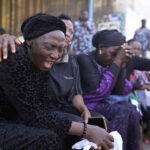
The arrests are part of a formal investigation into crimes against humanity and war crimes launched last summer. Prosecutors allege the suspects were directing military operations and financing the armed struggle from Belgian soil – an accusation that, if proven, would establish Belgium as a command node in a conflict that has killed more than 6,500 people and displaced nearly half a million since 2017.
A War Being Fought from Europe and North America
The Belgium operation does not stand alone. Similar investigations have been opened in Norway and the United States, collectively pointing to a well-documented pattern: the Anglophone insurgency in Cameroon has long been sustained, in part, by diaspora communities in Western countries. Fundraising, arms procurement, and tactical direction have reportedly flowed from abroad into the North-West and South-West regions, where ADF fighters and other armed factions continue to clash with Cameroonian state forces.
This diaspora dimension has complicated the international response to the conflict. Western governments have historically been reluctant to crack down on political activities by exile communities, particularly those framing their cause in terms of self-determination. The coordinated nature of the investigations in Belgium, Norway, and the US suggests that posture is shifting – that authorities now treat command-and-control activities in support of an armed group committing atrocities as a prosecutable matter, regardless of where orders originate.
Origins and Trajectory of the Crisis
The conflict’s roots lie in 2016, when lawyers and teachers in Cameroon’s Anglophone minority regions mounted strikes over the use of French in courts and schools. What began as a professional grievance over linguistic marginalisation rapidly escalated after the government’s crackdown. By 2017, activists had declared an independent state of Ambazonia, and armed groups moved to enforce that declaration by force.
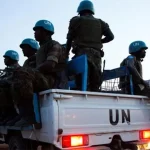
Nearly a decade on, the UN estimates more than 1.5 million people remain in need of humanitarian assistance. Human rights organisations have documented serious abuses by both sides – separatist fighters and Cameroonian security forces – including killings of civilians, forced displacement, and the burning of villages.
Biya’s Intractable Position
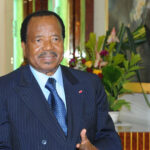
President Paul Biya, 92, has ruled Cameroon since 1982 and shows no signs of ceding authority or substantially altering his government’s approach. His administration maintains that it has taken meaningful steps toward resolution, but critics – including international human rights monitors — point to continued military operations, restrictions on political freedoms, and the absence of any credible peace process as evidence to the contrary.
The Belgian prosecutions will not, on their own, end the fighting. But they introduce new legal risk for diaspora actors who have operated with relative impunity, and they add external pressure on a conflict that has largely escaped sustained international attention. Whether that pressure translates into meaningful movement toward negotiations – or simply drives command structures further underground – remains to be seen.