IN an ambitious bid to diversify beyond diamond dependency, Botswana has launched construction of Zotus City, a $20 billion megacity in the Kalahari Desert that officials say will rival Dubai as Africa’s premier economic hub.
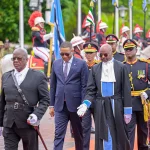
President Advocate Duma Boko blessed the transformative project at the World Economic Forum in January 2025, followed by a February memorandum of understanding with UK-based Zotus Group to develop the 85-square-kilometre Special Economic Zone.
“Kalahari City represents a new era for Botswana – an ambitious, future-ready development that will unlock the country’s economic potential,” said Emile Heskey, Ambassador of Zotus Group. “We are committed to delivering a sustainable and globally competitive city that benefits Batswana for generations to come.”
The project centres around Africa’s largest solar installation – a 300MW solar plant designed to achieve complete carbon neutrality while powering advanced fintech hubs, smart transportation networks, and ultra-high-speed connectivity infrastructure. The city will feature dedicated water pipelines and conservation systems critical for sustainable desert urbanisation.
Construction begins in September 2025, with the first phase targeting completion by 2030. The development includes luxury hotels, cultural heritage centres, international educational institutions, and world-class healthcare facilities integrated into eco-friendly urban design.
Economic Transformation
Zotus City promises to create between 20,000 and 300,000 direct employment opportunities, specifically targeting Botswana’s youth, women, and marginalised communities through comprehensive skills development and entrepreneurship programs. Conservative projections estimate the project will contribute $5-8 billion annually to GDP within five years.
The Special Economic Zone offers streamlined regulations, competitive tax structures, and advanced logistics networks designed to attract multinational enterprises and position Botswana as Southern Africa’s gateway for international trade and investment.
Tourism projections are equally ambitious, with officials expecting 5 million visitors within the first operational years, fundamentally reshaping Botswana’s position on the global tourism map through adventure tourism, business conferences, and cultural experiences.
Social Impact and Inclusion
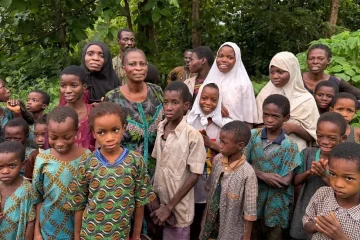
The project prioritises social inclusion through affordable housing initiatives, small business incubation zones, and vocational training programs. Special emphasis targets the empowerment of historically marginalised San communities and women-led enterprises, ensuring that development benefits extend across all economic segments.
“This isn’t just job creation – it’s the construction of an entirely new economic ecosystem,” said a government spokesperson. The integrated urban planning combines residential, commercial, and social amenities to break generational cycles of poverty and create pathways for upward mobility.
Educational infrastructure includes international-standard institutions from primary through university level, while healthcare facilities will offer specialised medical centres and research hospitals serving the broader Southern African region.
Despite its location in one of the world’s most arid regions, Zotus City aims to enhance rather than degrade the desert ecosystem through advanced water management, biodiversity protection corridors, and afforestation programs using drought-resistant species.
The carbon-neutral design incorporates circular economy principles, waste minimisation, and resource recovery systems that exceed international environmental benchmarks. Research facilities will focus on desert ecology, climate adaptation, and sustainable technology development.
Continental Significance
Beyond national transformation, Zotus City positions Africa as a global leader in sustainable urban development. The project serves as proof that African nations can attract massive foreign direct investment while balancing economic growth with environmental stewardship.
Success could inspire similar developments across the continent, creating regional integration opportunities and establishing Africa as the preferred destination for infrastructure investment capital.
Medium-term projections suggest GDP contributions reaching $15-25 billion annually by 2040, with the metropolitan area supporting over 500,000 people and establishing Botswana as a continental hub for fintech and sustainable technology innovation.
The Kalahari Desert project represents more than urban development – it signals Africa’s emergence as a leader in 21st-century sustainable city planning, proving that even the harshest environments can become centres of innovation, prosperity, and hope for future generations.